As Morocco prepares for a pivotal legislative vote in September 2026, the corridors of power in Rabat buzz with speculation about who will step into the prime minister’s chair. While established figures jockey for position, a handful of lesser-known but highly capable leaders could emerge as unexpected contenders for the Mechouar Saïd. These politicians, each with unique strengths, are quietly positioning themselves to shape the kingdom’s political future.
Profiles of the rising stars
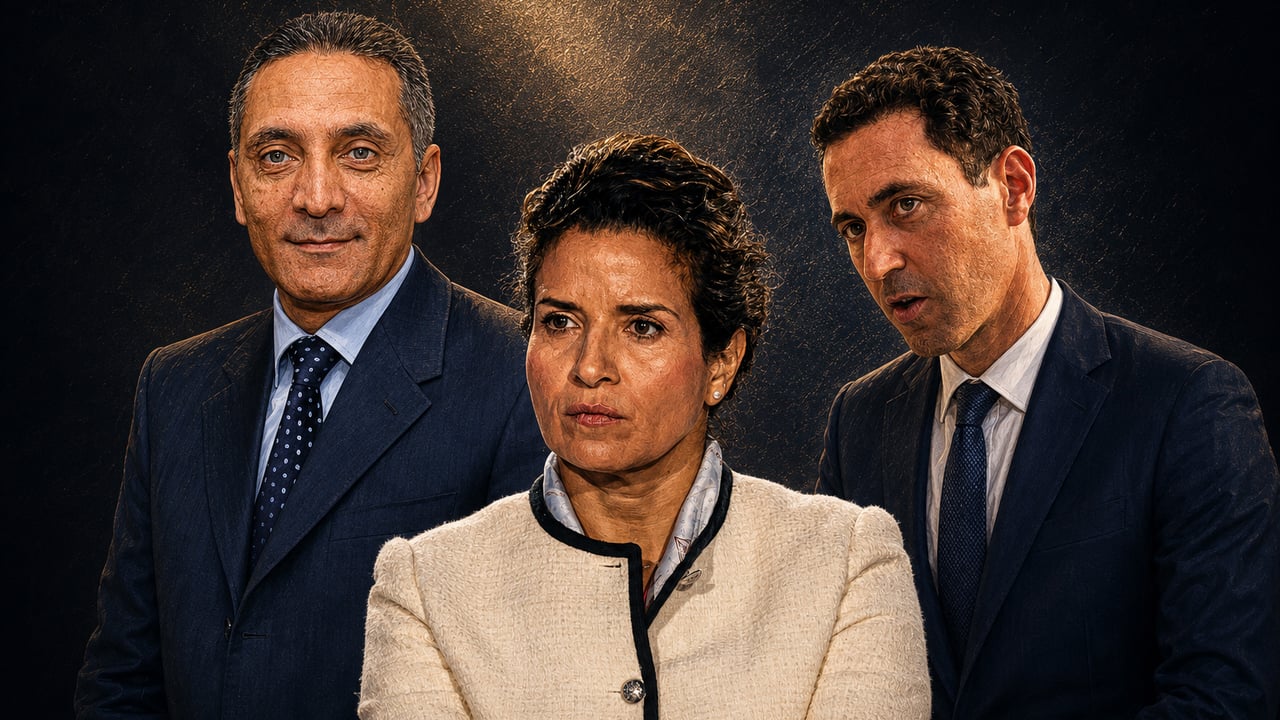
Among the names circulating, Mostafa Terrab stands out for his deep expertise in industrial strategy. Currently at the helm of Morocco’s phosphate giant, his leadership in strategic sectors has earned him respect across party lines. Nizar Baraka, another key figure, brings years of economic policy experience, having previously served in critical ministerial roles. His reputation as a pragmatic reformer makes him a serious candidate for continuity.
Governance experience vs. political clout
Balancing governance acumen with political influence remains a challenge for these figures. Abdelouafi Laftit, the Interior Minister, wields significant administrative power but faces questions about his party’s electoral prospects. Meanwhile, Younes Sekkouri has built a strong following in parliament, though his party’s future performance in the polls remains uncertain. Nadia Fettah Alaoui, a former Finance Minister, is credited with modernizing economic policies, but her path to the premiership depends on broader coalition dynamics.
Challenges ahead for outsider candidates
The road to the Mechouar Saïd is fraught with obstacles. Fouzi Lekjaâ, a long-serving technocrat, exemplifies the tension between technical competence and public recognition. While his administrative record is impeccable, his lack of a strong partisan base could hinder his bid. Meanwhile, Moulay Hafid Elalamy, a former Industry Minister, remains a wildcard—his business ties and reformist agenda could either propel or derail his ambitions.
As Morocco’s political landscape shifts, these dark horses are redefining what it means to lead. Their ability to navigate shifting alliances, public expectations, and economic realities will determine whether they secure a seat at the highest table of power.