Officer’s body remains adrift on riverboat more than 24 hours after incident.
Niamey, April 9, 2026
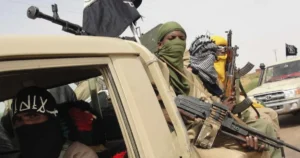
Captain Maman Ada Sahabi, commander of the Say gendarmerie group, was killed in an ambush by Jama’at Nasr al-Islam wal-Muslimin (JNIM) elements on the Niger River on Wednesday, April 8, late in the afternoon, along with at least two of his men. More than twenty-four hours after the attack, the boat carrying the senior officer’s body continues to drift, with authorities unable to organize its retrieval.
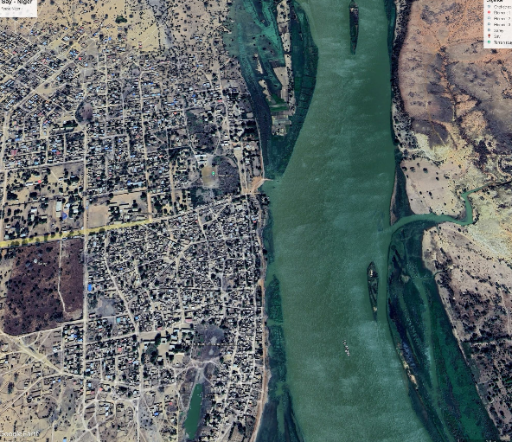
According to local security sources, Captain Sahabi was aboard a riverboat with four gendarmes as part of an intelligence verification mission coinciding with Say’s weekly market day. Around 5 p.m., the vessel came under heavy fire from the riverbanks in an area within the Tillabéri/Dosso region, a highly sensitive zone.
At least three gendarmes were killed instantly, including the captain. The officer’s body remained on board the boat, while the bodies of two other soldiers fell into the river and were carried away by the current. At the time of this report, the boat continues to drift, with forces engaged in the area fearing the presence of improvised explosive devices (IEDs) or a second ambush.
an experienced officer and a local symbol
Captain Maman Ada Sahabi, in his forties, had commanded the Say gendarmerie group for over five years. Considered a crucial link in the security apparatus in this strategic border area, he had been involved in the fight against armed terrorist groups (GAT) operating in the Liptako-Gourma region for a long time.
His death comes amid increasing attacks against river and land patrols in the Tillabéri region, a historical hotbed of activity for JNIM and the Islamic State in the Sahel (EIGS).
outrage over handling of bodies
What is most shocking and concerning, beyond the attack itself, is the apparent abandonment of the senior officer’s body more than 24 hours after the events. Due to a lack of clear instructions from the hierarchy, no recovery operation has been carried out. This situation is hard to comprehend for men on the ground and local populations in Say.
“How can they leave their commander’s body drifting on the river like that? It’s a total lack of respect for those who are fighting,” confided a security force member, speaking anonymously to our news desk.
For many, this episode is becoming a symbol of hesitant leadership, unable to quickly honor its dead – a practice that, according to several critical voices, has become commonplace since the coup on July 26, 2023.
in transition-era niger, what is the value of soldiers’ lives on the front lines?
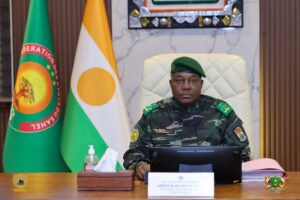
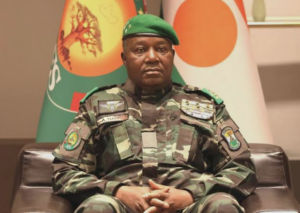
This case reignites the debate about the value placed on the sacrifices of the Defense and Security Forces (FDS) in the fight against terrorism under the current military regime led by General Abdourahamane Tiani.
Despite regular statements reporting successful operations and “neutralized terrorists,” the red zones (Tillabéri, Tahoua, Dosso) continue to experience regular losses. The persistence of river ambushes demonstrates the adaptability of jihadist groups, who exploit porous borders and mobility on the Niger River.
The families of soldiers killed in action, survivors, and populations in the most exposed areas express growing frustration: sovereignist rhetoric on one hand, and the reality on the ground marked by chronic insecurity and sometimes chaotic operations management on the other.