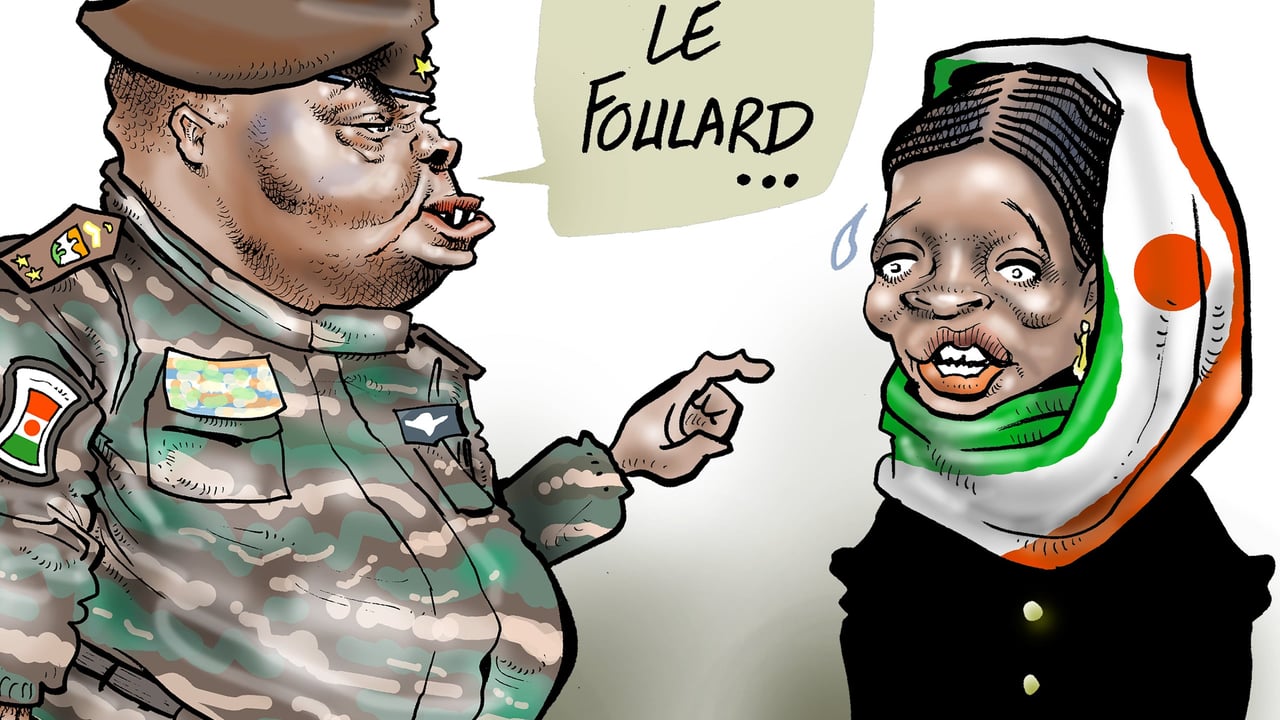

The Head of State of Niger, Abdourahamane Tiani, has formally withdrawn the citizenship of prominent activist Mayra, a decision formalized through a presidential decree issued this week. The move has sparked intense debate across the country’s political and civil society circles.
Activist Mayra, known for her vocal advocacy on human rights and social justice issues, has been a visible figure in Niger’s public discourse. Her recent criticisms of government policies appear to have triggered this unprecedented administrative action. The decree, while citing unspecified legal provisions, does not provide detailed reasoning for the revocation, leaving many questions unanswered.
Legal and political implications
The withdrawal of citizenship is a rare and severe measure in Niger’s legal framework, typically reserved for cases involving national security or severe breaches of public order. Legal experts are divided on the constitutionality of the decision, with some arguing that it sets a dangerous precedent for the use of administrative power against dissenting voices.
Constitutional lawyer Amadou Salifou commented that the decree could be contested on grounds of proportionality and due process, emphasizing that citizenship revocation should be a measure of last resort, not a tool for silencing criticism.
Reactions from civil society
Civil society organizations in Niger have condemned the decision, describing it as an attack on democratic freedoms. L’Association pour la Défense des Droits Humains (ADDH) released a statement calling the move a violation of fundamental rights and urging the government to reverse the decree immediately.
Protests have been reported in several cities, with activists demanding transparency and accountability from the authorities. The government, meanwhile, has remained silent on the matter, neither confirming nor denying the broader implications of the decision.
What’s next for Mayra?
With her citizenship revoked, Mayra now faces an uncertain future in Niger. While she retains the right to appeal the decision through legal channels, the process is expected to be lengthy and fraught with challenges. International human rights organizations have also begun monitoring the situation closely, expressing concerns over the potential for further restrictions on civic freedoms.
The case of Mayra underscores the growing tensions between state authority and civil liberties in Niger, raising critical questions about the balance between security and democratic governance.