Senegal’s political landscape under scrutiny as Ousmane Sonko rallies militants
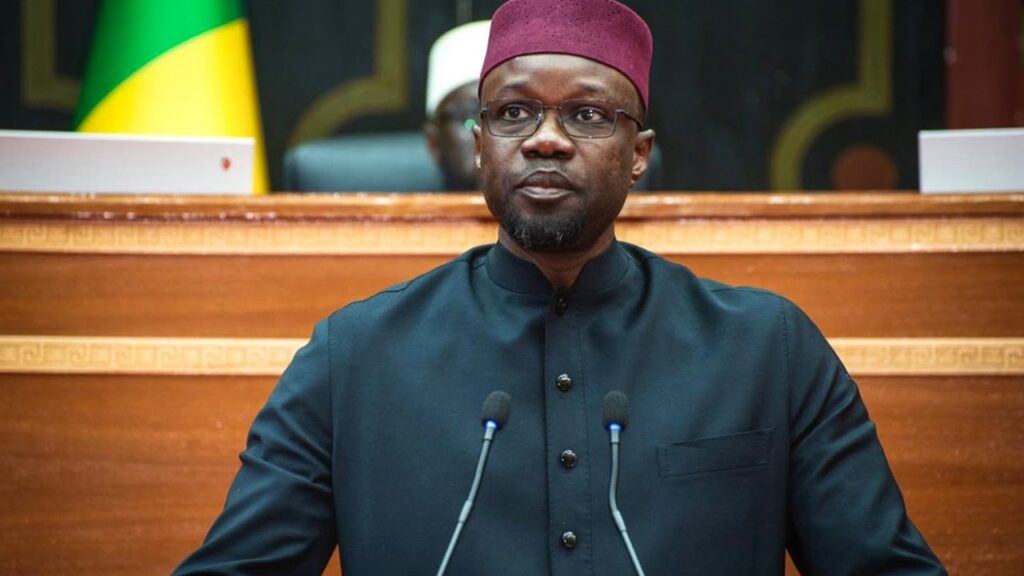
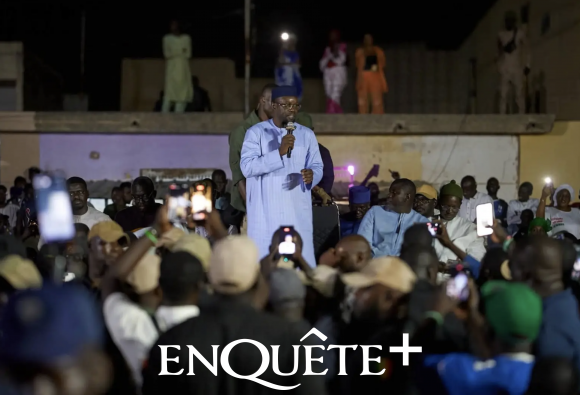
During a high-profile visit to the Diourbel region as part of the Pastef party’s “48-hour mobilization,” opposition leader Ousmane Sonko reaffirmed his commitment to financial independence and outlined his vision for Senegal’s political future. Speaking at key locations in Touba and Sadio, Sonko addressed both grassroots supporters and broader national concerns, emphasizing the resilience of his movement amid evolving political dynamics.
Financial independence as a cornerstone of Pastef’s strategy
At a gathering in Touba, Sonko directly addressed rumors surrounding the funding of Pastef, a topic often contested by rivals. He proudly declared that his party operates entirely on contributions from its members, rejecting any reliance on public funds. This approach, he argued, reflects both ethical and strategic principles within the party’s foundation.
“Pastef does not draw from state coffers to finance its activities. In our values, such a practice is unacceptable,” Sonko stated, underscoring his party’s commitment to transparency and self-reliance. In a display of the movement’s growing momentum, he shared an anecdote about the recent membership card campaign: “By mid-afternoon today, all 13,000 cards distributed had already been sold out. We had to place an additional order in Dakar.” His remarks highlighted not only the party’s organizational strength but also the deep engagement of its supporters.
Sonko also cautioned militants against reacting to provocations, urging them to stay focused on the party’s long-term goals. “Avoid confrontations. Ignore distractions. If peace prevails in Senegal, Pastef will dominate every election. No vote will slip through its grasp,” he declared, reinforcing confidence in the movement’s future prospects.
Revisiting Senegal’s political transition
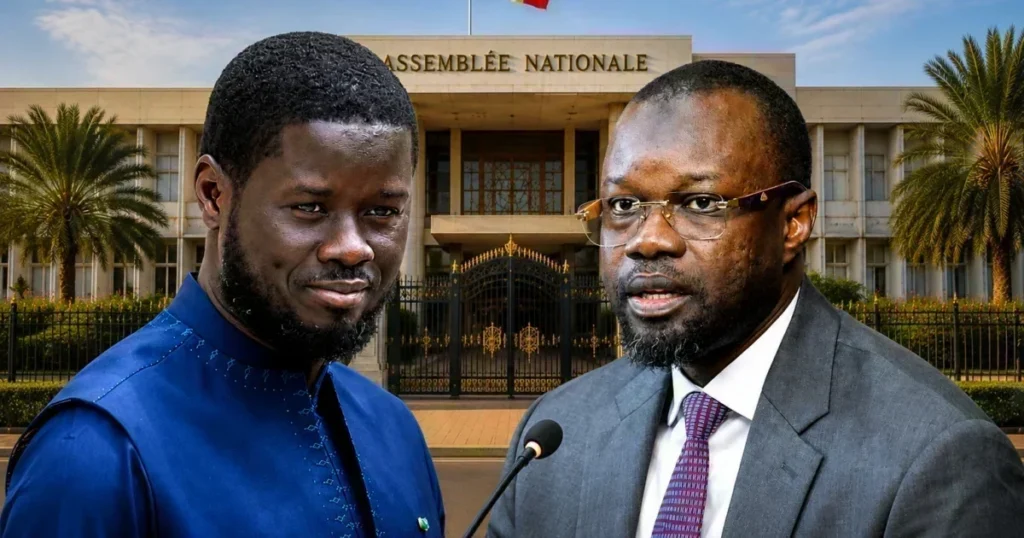
In Sadio, Sonko took a reflective tone, analyzing the political shifts that followed the March 2024 elections. He revisited his pivotal role in supporting Bassirou Diomaye Faye as the party’s substitute candidate after his own disqualification, framing it as a strategic move rooted in historical legitimacy. For Sonko, this decision was instrumental in securing the victory that reshaped Senegal’s political landscape.
His speech also subtly questioned the current administration’s alignment with the original promises that fueled the 2024 breakthrough. While stopping short of direct criticism, Sonko hinted at a growing disconnect between the party’s foundational ideals and the actions of the executive branch, a nuance likely to resonate with a public increasingly attuned to political accountability.
2026 and 2029: critical milestones ahead
Looking beyond the present, Sonko positioned himself as the guardian of Pastef’s original mission. He estimated that 80% of the party’s political battle had already been won under his leadership, positioning himself as the custodian of its core principles. The upcoming elections in 2026 and 2029 were framed as pivotal moments to consolidate these gains and ensure the movement’s enduring influence on Senegal’s governance.
By rallying militants around this forward-looking vision, Sonko reaffirmed his central role in shaping the country’s political trajectory, leaving little doubt that Pastef remains a force to be reckoned with in the years ahead.