Senegal’s political shake-up: the factors behind Sonko and Diomaye’s falling out
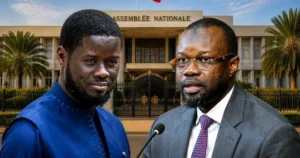
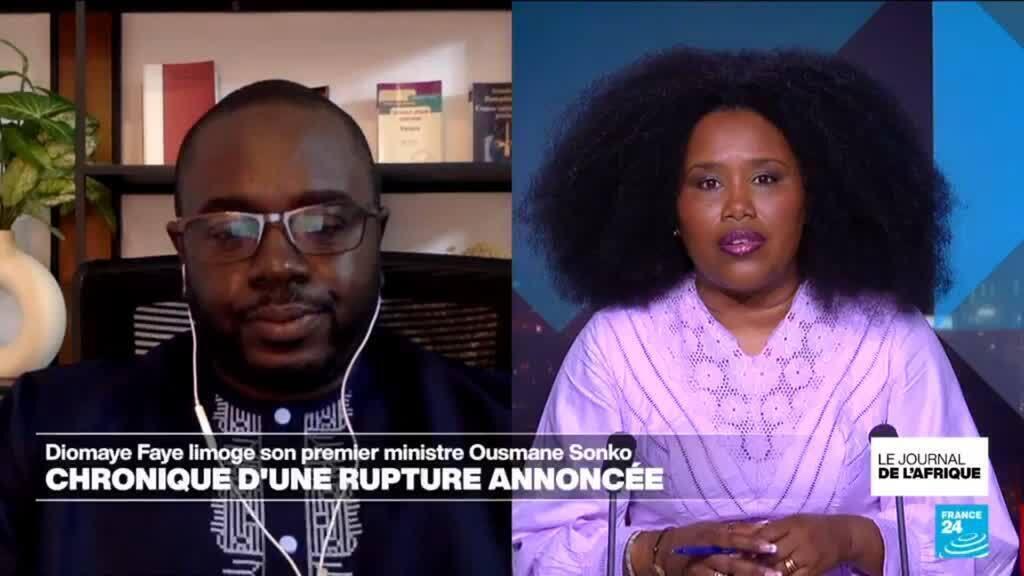
In Senegal, President Bassirou Diomaye Faye terminated Prime Minister Ousmane Sonko’s mandate on May 22, 2026, finalizing a political rift that had been building for months. Internal rivalries, disputes over governance, opposing views on economic reforms, and power struggles have shattered the partnership that once symbolized hope for change following Macky Sall’s presidency. In this in-depth analysis, we explore the roots and repercussions of this deepening crisis at the heart of Senegal’s government.
The seeds of discord
Tensions between Sonko and Diomaye were not sudden but grew from fundamental differences in their visions for the country. Sonko, a vocal opposition leader turned prime minister, had championed sweeping reforms, including judicial independence and anti-corruption measures. Diomaye, while sharing some of these goals, prioritized stability and gradual implementation to avoid economic disruption.
Governance disagreements
The rift deepened over governance styles. Sonko advocated for a more confrontational approach to challenge entrenched elites, while Diomaye favored negotiation and coalition-building. These contrasting methods created friction in policy decisions and cabinet meetings, with Sonko often bypassing formal channels to push his agenda.
Economic reform clashes
Economic policy became another battleground. Sonko pushed for rapid redistribution of wealth and aggressive foreign investment reforms, while Diomaye emphasized fiscal prudence and cautious liberalization. The prime minister’s insistence on immediate action clashed with the president’s preference for structured, long-term planning.
Consequences of the fallout
The dismissal marks a critical turning point for Senegal’s political landscape. The partnership that united opposition forces and inspired public trust has collapsed, leaving a void in the reform agenda. Allies of Sonko, including civil society groups and grassroots supporters, have expressed disappointment, warning of potential unrest if their demands for swift change are ignored.
Diomaye now faces the challenge of rebuilding credibility without Sonko’s influence. His ability to unite factions and maintain momentum for reforms will determine Senegal’s trajectory in the coming years.