In a significant shift within the political landscape of Sénégal, the Parti démocratique sénégalais (PDS) has officially called for a “no” vote regarding the upcoming constitutional referendum.
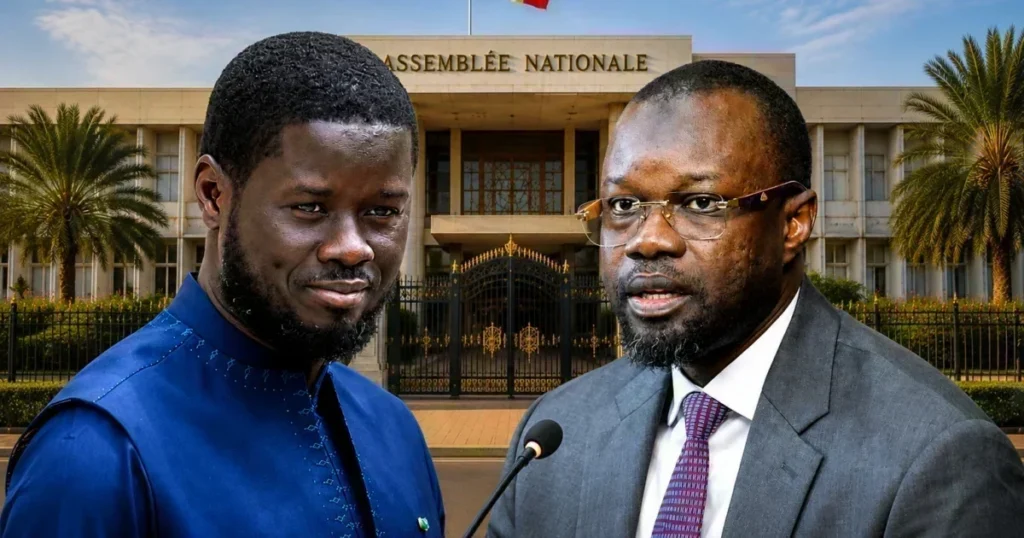
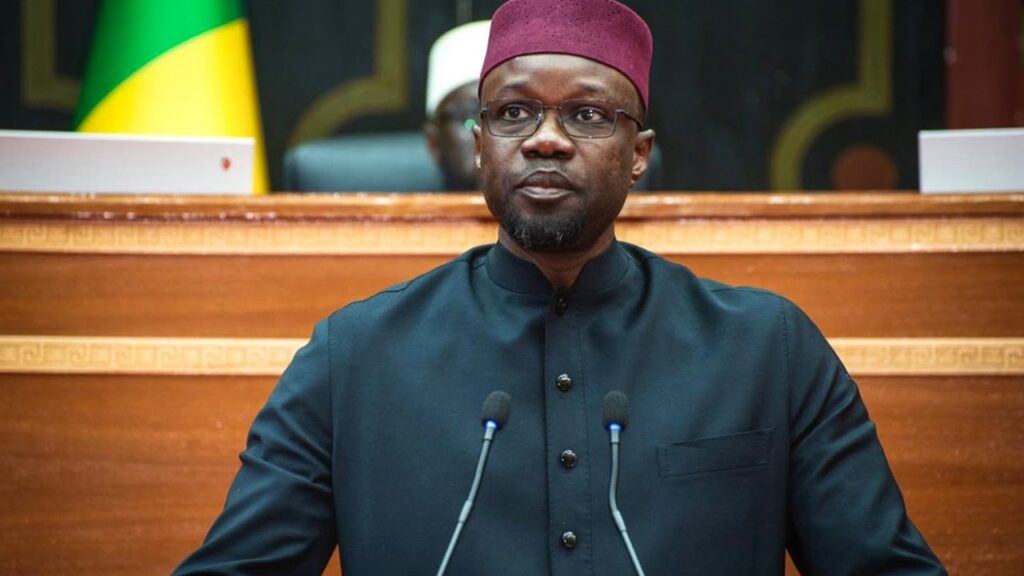
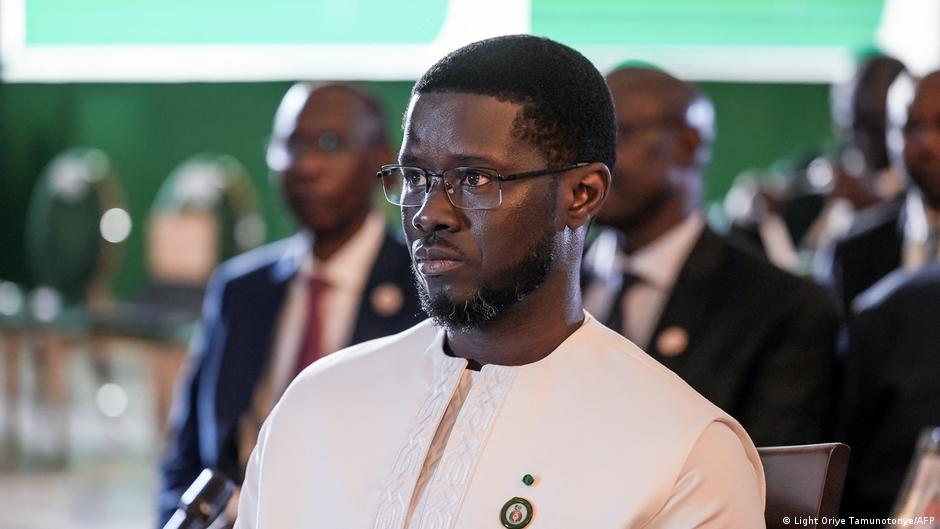
President Bassirou Diomaye Faye initiated this public consultation to allow citizens to determine the fate of a controversial law currently fueling national debate. The legislation, which received approval from the National Assembly, was championed by Ousmane Sonko’s Pastef party with the aim of boosting parliamentary authority while curtailing the powers held by the Head of State.
By rejecting these reforms, the PDS has effectively sided with the president’s move to let the people decide, urging its supporters to block the measure. This alignment between the party of Abdoulaye Wade and Bassirou Diomaye Faye follows a complex history of political maneuvering.
The roots of the PDS-Diomaye cooperation
The foundations for this collaboration were laid during the July 2022 legislative elections when the PDS joined forces with Ousmane Sonko’s Pastef to challenge the dominance of then-President Macky Sall. By the March 2024 presidential election, the PDS took a more decisive step by endorsing the Ousmane Sonko–Bassirou Diomaye Faye ticket after their own candidate, Karim Wade, was barred from running.
This endorsement was vital for Bassirou Diomaye Faye, as it significantly broadened his voter appeal. While the official stance was to protect the rule of law and defeat the incumbent candidate Amadou Ba, the PDS was also motivated by grievances against the Macky Sall administration, which they blamed for Karim Wade’s exclusion. Having faced imprisonment and exile, Karim Wade sought to maintain a presence in the country’s governance through this strategic backing.
A relationship defined by distance
Despite their shared electoral victory, the PDS did not join the new administration. The party chose to remain autonomous, keeping its distance from both Pastef and the broader presidential coalition. Local analysts, including Hamadou Tidiane Sy from E-Jicom in Dakar, suggest this proximity was born of political survival rather than ideological unity.
Sy notes that after losing power, the PDS experienced a significant decline and is now attempting to reposition itself within the political sphere to ensure its survival. This shifting strategy was evident during the late 2024 snap legislative elections, where the PDS surprisingly allied with Macky Sall’s APR, its former bitter rival.
Strategic opposition to Ousmane Sonko
The growing friction between Bassirou Diomaye Faye and Ousmane Sonko has provided the PDS with a fresh opportunity to exert influence. The party supports the president’s decision to hold a referendum but is vehemently campaigning against the actual proposals, which they view as a vehicle for Ousmane Sonko’s personal ambitions.
In a formal statement, the PDS urged its members and the wider public to vote “no,” claiming the reforms represent a thirst for power and a disregard for republican institutions. Experts suggest this sentiment is shared by much of the opposition. By supporting the president’s procedural choice, they are effectively casting a vote against Ousmane Sonko’s radical approach.
Sy observes that Ousmane Sonko is increasingly viewed as a polarizing figure who hinders national reconciliation, causing other political forces to distance themselves from his rhetoric.
A marriage of convenience
This does not necessarily signal a long-term alliance between the opposition and the president. Many who oppose the constitutional changes are not doing so out of loyalty to Bassirou Diomaye Faye, but rather to prevent what they perceive as a power grab by the legislative branch under Pastef’s influence.
The current cooperation is seen as a temporary measure to address a specific crisis and return Sénégal to its traditional democratic path of consensus. However, this environment could benefit Bassirou Diomaye Faye as he looks to solidify his own political base, the “Diomaye Président” coalition, independent of Pastef.
As the rift within the ruling movement deepens, some observers believe the break with Pastef is irreparable, with supporters of Ousmane Sonko already viewing the president’s actions as a definitive betrayal of their movement.