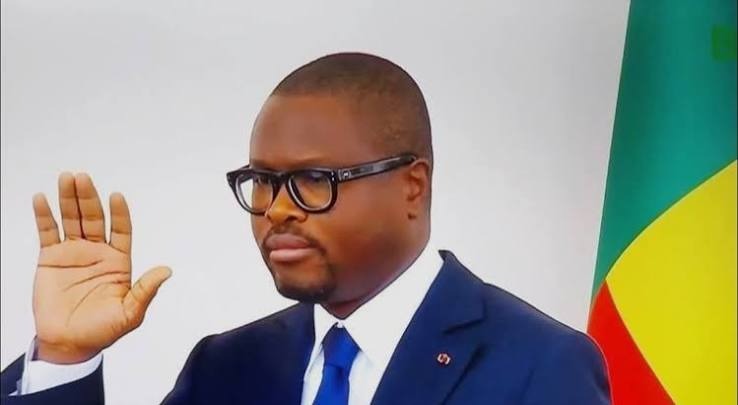
Restructuring Senegal’s debt has become the most pressing economic challenge for President Bassirou Diomaye Faye’s administration. Following an audit by the Court of Auditors that revealed a higher-than-reported public debt level, Dakar faces a tighter financial squeeze than anticipated. Identifying a financial advisor to lead the technical, legal, and diplomatic negotiations is now the critical first step before engaging with creditors.
Recalibrated debt levels reshape fiscal priorities
The revised public debt figure, combined with a debt-to-GDP ratio exceeding the West African Economic and Monetary Union (WAEMU) thresholds, has shifted the balance of power in negotiations with financial partners. The existing International Monetary Fund (IMF) program has been paused, pending a new agreement based on updated data. This delay temporarily undermines market confidence and complicates access to concessional financing.
The growing share of fiscal revenue allocated to debt servicing leaves limited room to fund the economic transformation agenda outlined in the Senegal 2050 framework. The dual pressure to meet short-term obligations on eurobonds and bilateral loans while safeguarding investments in energy, infrastructure, and food sovereignty is intensifying. Without an orderly restructuring, credit risk could worsen, as reflected in successive downgrades by major rating agencies.
Selecting the right financial advisor: a strategic move
Choosing a financial advisory firm or specialized consultancy marks the first operational step in the restructuring process. Recent African precedents offer valuable insights. Ghana relied on Lazard and Hogan Lovells to restructure its external debt in 2023 and 2024, while Zambia also engaged Lazard. Chad and Ethiopia turned to other firms under the G20 Common Framework. Each case demonstrated the need for financial expertise, legal structuring, and sovereign diplomacy.
For Senegal, the stakes extend beyond technical competence. The selected advisor must navigate simultaneous dialogues with eurobond holders, bilateral creditors—including China and France—and multilateral lenders. They must also engage regional banks heavily exposed to Senegal’s sovereign debt in the WAEMU government securities market. The discreet nature of the selection process underscores the political sensitivity of the issue, particularly as Prime Minister Ousmane Sonko advocates a firm stance toward traditional creditors.
Rebuilding trust with the IMF and global investors
Resuming an IMF program remains the cornerstone of any credible restructuring scenario. Without an Extended Credit Facility or equivalent arrangement, securing a deal with private creditors would be precarious. Investors typically require a budget trajectory validated by the IMF before committing. The principle of comparable treatment among creditors, a cornerstone of the Paris Club, will inevitably shape discussions.
On the secondary market, Senegal’s eurobonds have traded at significant discounts for months, signaling expectations of a rescheduling or nominal haircut. While this theoretically opens the door to opportunistic buybacks, it requires liquidity that the state cannot easily mobilize. Innovative mechanisms, such as debt-for-nature or debt-for-development swaps—successfully tested in Gabon and Cabo Verde—could emerge as potential tools under consideration by the incoming advisor.
The political dimension cannot be overlooked. The Faye-Sonko duo built its legitimacy on promises of sovereign rupture and transparent fiscal management. A well-executed restructuring would reinforce this narrative, while a technical misstep or unfavorable terms could fuel criticism. The coming weeks will determine whether Dakar can transform financial constraints into an opportunity to bolster credibility.