Political tensions rise as new IMF agreement takes shape
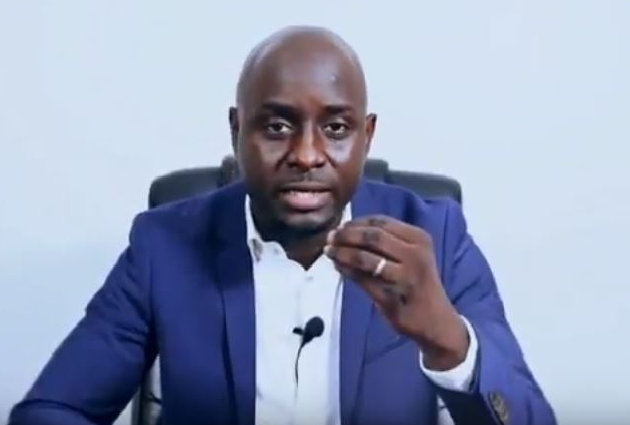
Debates over Senegal’s recent technical agreement with the International Monetary Fund (IMF) are intensifying in political circles. Thierno Bocoum, leader of the Agir-Les Leaders movement, has publicly urged the government to disclose the full details of the new program’s debt treatment and associated conditions.
Demands for full disclosure of economic terms
Bocoum insists on the immediate publication of the memorandum outlining economic and financial policies. Should this not occur, he advocates for its submission to the National Assembly, enabling a comprehensive debate on the commitments made on behalf of all Senegalese citizens.
His concerns extend beyond the current administration. He questions the roles played by Ousmane Sonko and Abdourahmane Sarr in the circumstances that led to the country’s current challenges with IMF negotiations and debt management.
Criticism of former Prime Minister Ousmane Sonko
Bocoum highlights Sonko’s tenure as Prime Minister from April 2, 2024, to May 22, 2026, as pivotal in the IMF engagement process. He alleges that Sonko was directly involved in discussions that preceded the suspension of the previous program, contributing to the financial strain on the nation.
The Agir-Les Leaders president also points to a 2024 announcement regarding alleged irregularities in debt data. He contends that this revelation significantly undermined Senegal’s financial credibility, triggering the IMF’s decision to suspend its program and exacerbating the country’s economic difficulties.
Additionally, Bocoum raises concerns about the government’s reliance on regional market financing at rates he describes as far less favorable than concessional loan terms.
Former Economy Minister Abdourahmane Sarr under scrutiny
Bocoum also challenges the positions held by Abdourahmane Sarr, former Minister of Economy, Planning, and Cooperation. He notes a perceived shift in Sarr’s stance on Senegal’s debt sustainability, from advocating its viability to acknowledging the need for corrective measures.
The movement leader emphasizes that all officials involved in this dossier must acknowledge their responsibility for the current economic challenges. His statement comes at a critical juncture, as Senegal has just finalized a technical agreement with the IMF for a new economic and financial program.
Senegal’s engagement with the IMF remains a subject of intense scrutiny, with transparency and accountability at the forefront of public discourse.