The Vanishing of Moussa Kaka: A Targeted Abduction in Niamey
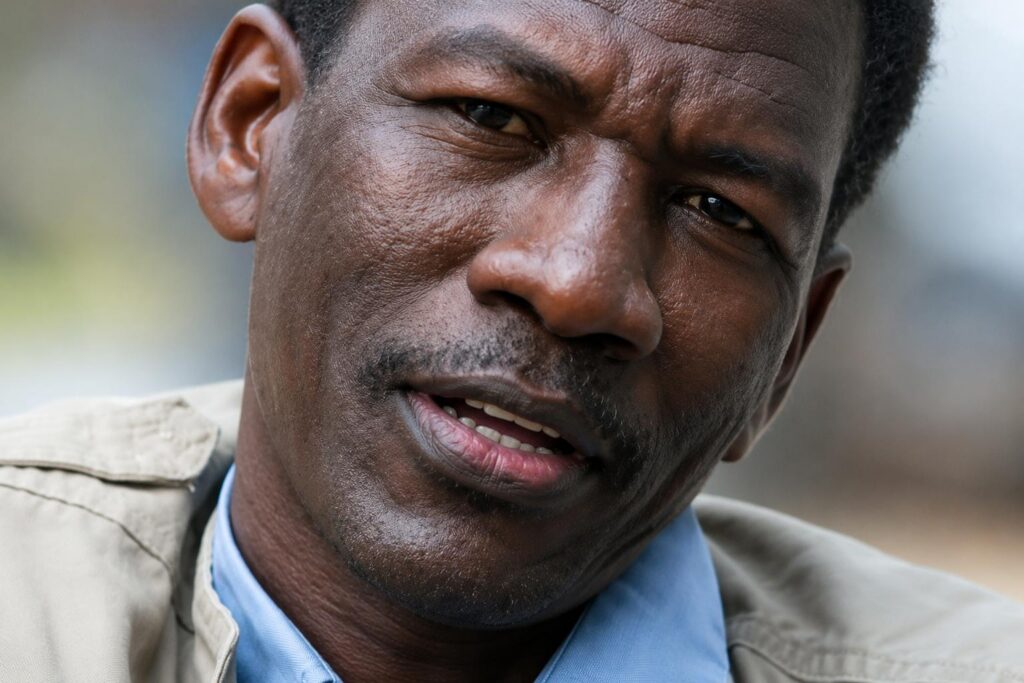
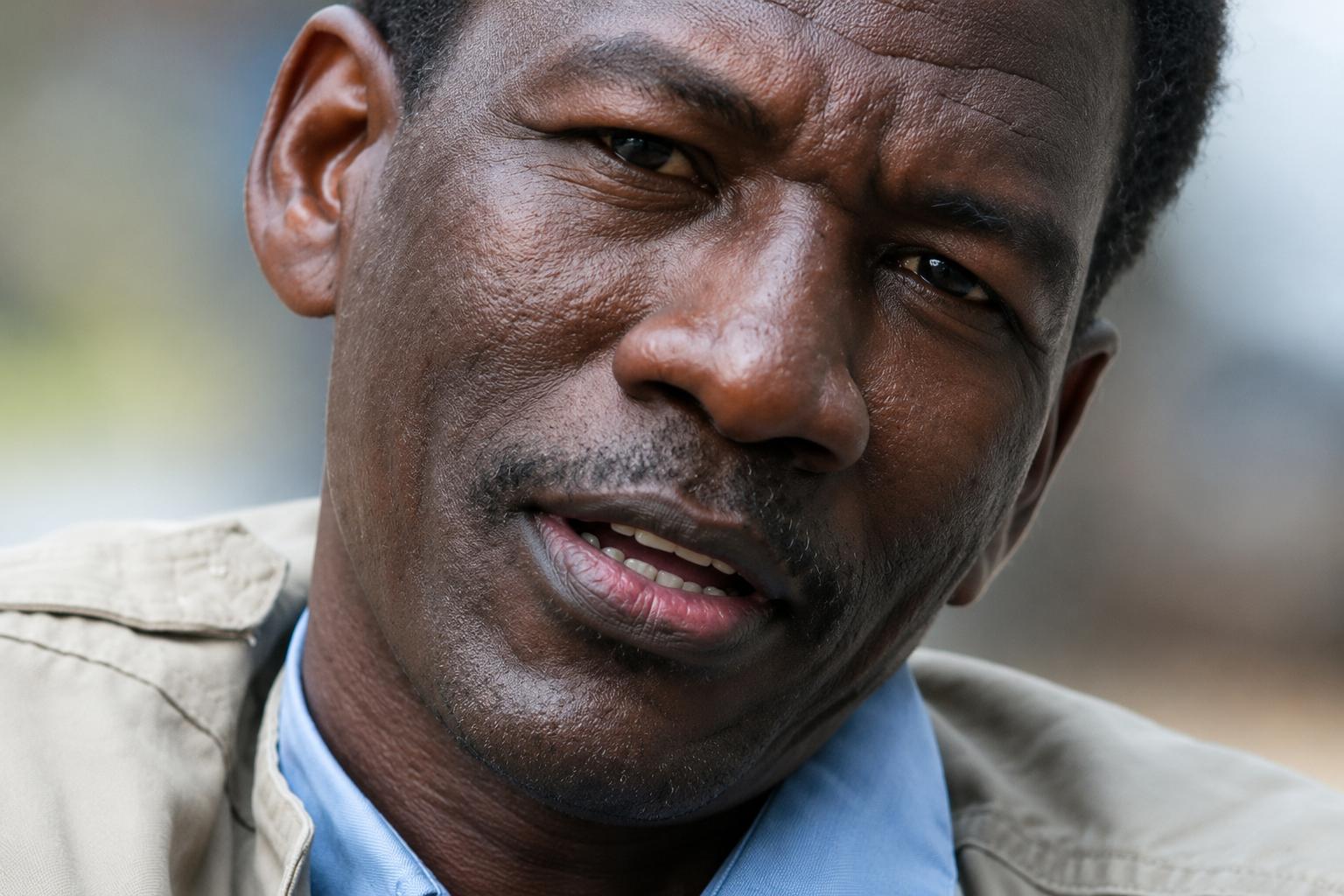
Renowned journalist and director of Radio Télévision Saraounia, Moussa Kaka, has been missing since the evening of August 31 in Niamey, Niger. His sudden disappearance, coupled with the eerie silence surrounding his whereabouts, has sent shockwaves through the media landscape and beyond. While some diplomatic circles cautiously refer to his case as a ‘disappearance,’ the circumstances paint a far grimmer picture: this is a deliberate abduction.
The evening of August 31, 2026, began like any other for Moussa Kaka as he left his office at Radio Télévision Saraounia around 7 p.m., heading home. Since then, his vehicle has vanished without a trace, his phones remain unreachable, and no hospital in Niamey has recorded his admission. The absence of even a shred of evidence suggests foul play rather than coincidence.
An Enforced Disappearance with a Familiar Pattern
This brazen act of kidnapping aligns with a disturbing trend targeting independent journalists in Niger. Moussa Kaka, a prominent voice in both national and international media circles, is no stranger to adversity. His long-standing role as a correspondent for a major international news outlet earned him a reputation for fearless reporting, often clashing with the interests of the ruling regime and allied factions.
The lack of any ransom demand or official communication nearly 72 hours after his abduction only deepens suspicions. This deliberate silence from security forces smacks of a calculated effort to suppress public outrage and stifle international scrutiny. The message is clear: silence dissent, no matter the cost.
Political Tensions Fuel the Crisis
The timing of Moussa Kaka’s abduction could not be more ominous. Niamey is gripped by escalating political tensions, with security forces intensifying crackdowns on dissenting voices. For journalists and activists alike, his case serves as a chilling reminder of the perilous state of press freedom in the country. One of the last bastions of independent journalism in Niger now faces an existential threat.
Human rights advocates and press freedom organizations have rung alarm bells, but mere calls for investigations ring hollow in the face of such brazen violations. The international community and fellow journalists demand nothing short of his immediate and unconditional release. Every passing hour without news of his condition or whereabouts only compounds the gravity of this crisis.
As the clock ticks, the responsibility to act rests squarely on the shoulders of those in power in Niamey. The world is watching—and waiting.