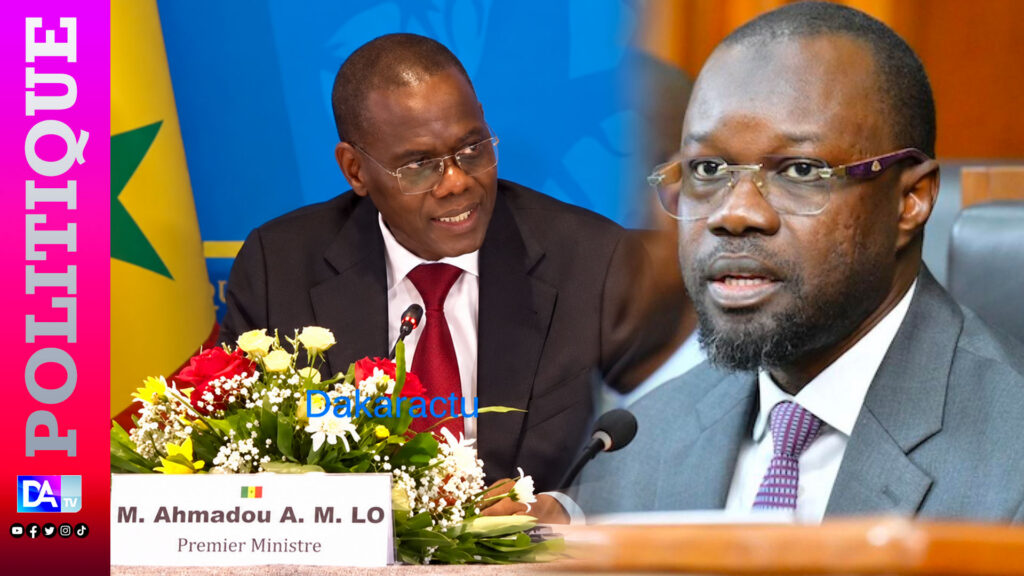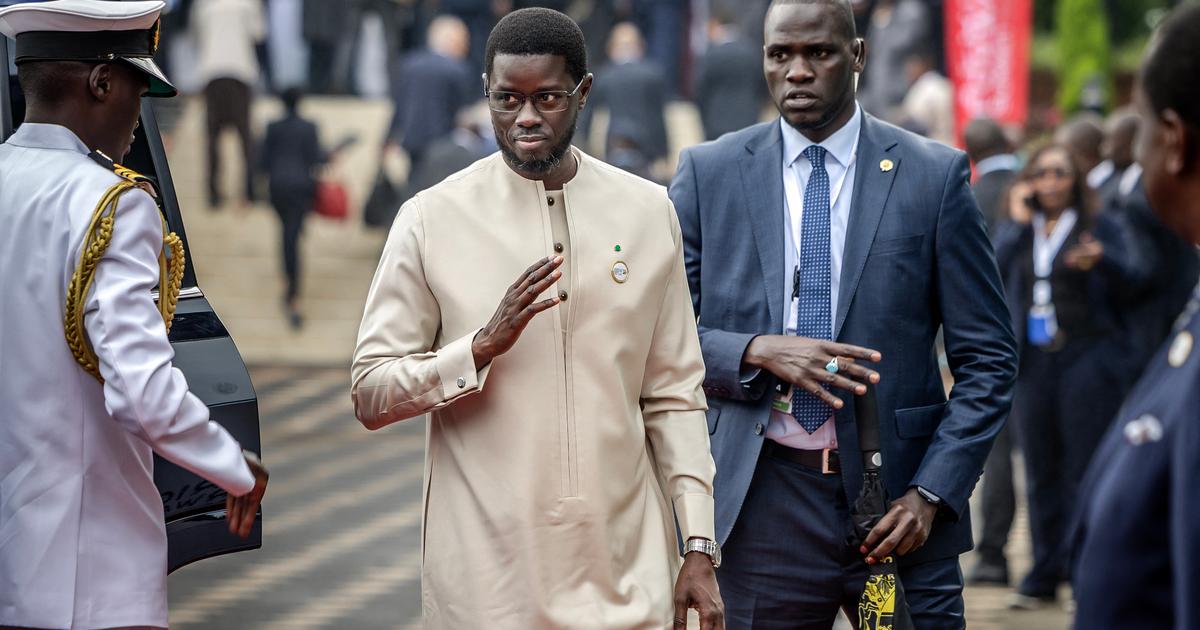
The Senegalese government has undergone a rapid and significant transformation. Between May 22, when President Bassirou Diomaye Faye dismissed Prime Minister Ousmane Sonko, and May 26, when Sonko was elected President of the National Assembly, followed by the appointment of the new Prime Minister, Ahmadou Alhaminou Mohamed Lô, on May 25, the country witnessed what local observers described as “an unprecedented political shift.”
This restructuring has raised questions about the potential impact on economic decision-making amid the nation’s financial crisis. As one economist warned in a widely discussed analysis, “Senegal stands on the brink of a financial abyss.” With public debt exceeding 132% of GDP and debt servicing becoming increasingly uncertain due to rising energy costs following disruptions in the Strait of Hormuz, the economic strain shows no signs of easing.
Historically, efforts to restructure the economy in line with International Monetary Fund (IMF) recommendations had faced resistance, particularly from the Pastef party. However, recent political developments have sparked speculation about a possible change in stance.