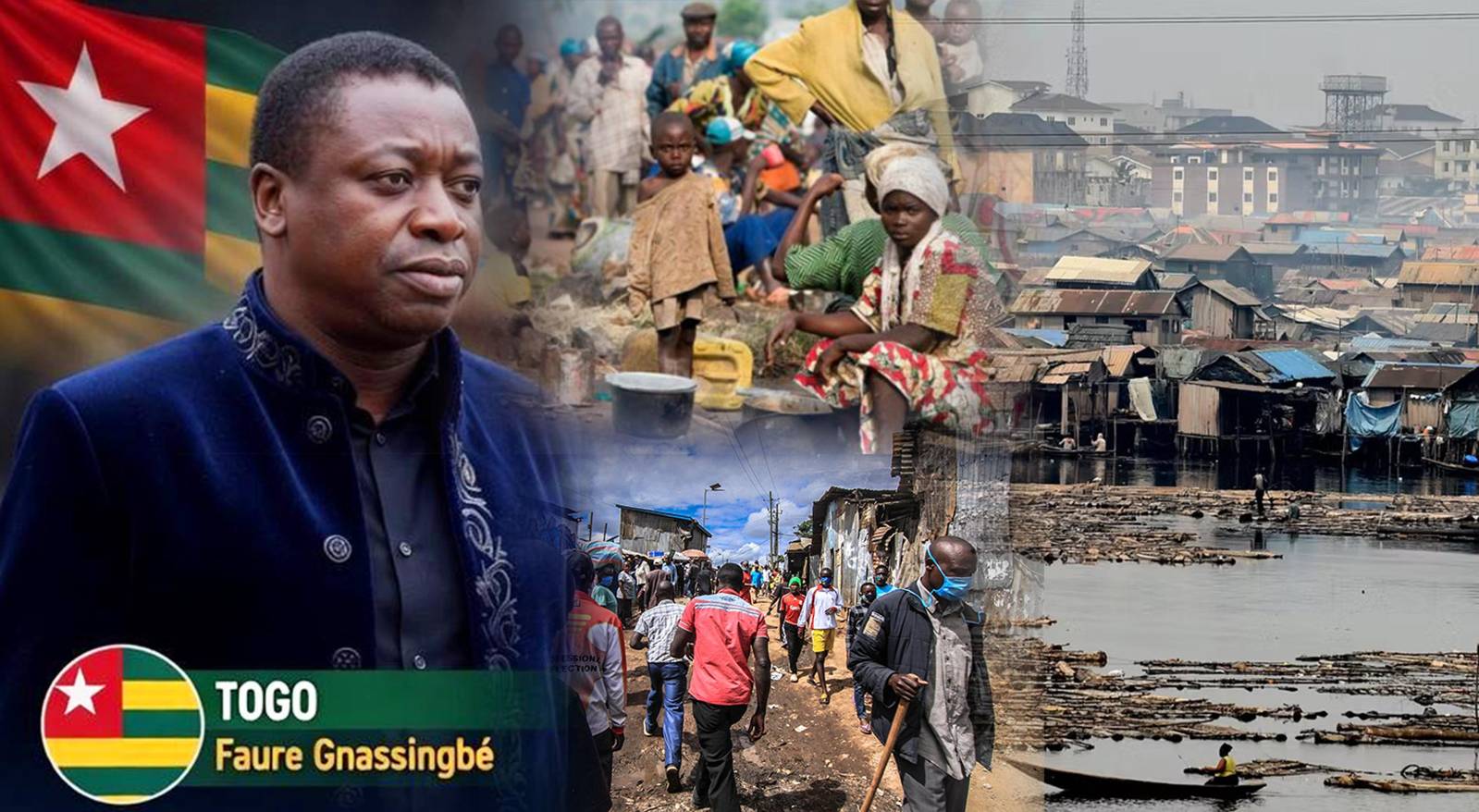
As Togolese citizens grapple daily with soaring living costs and persistent power outages, the nation’s focus is squarely on tangible solutions at home. Yet, in a move that has left many bewildered, Faure Essozimna Gnassingbé, Chair of the Council of Ministers, embarked on a journey to the distant, snow-capped peaks of Kyrgyzstan. While the president’s itinerary may have offered a break from domestic challenges, it has done little to address the urgent needs of the people, sparking widespread frustration and criticism.
a trip that misses the mark: priorities out of sync
In Lomé, the demand is clear: reliable electricity, accessible healthcare, and stable employment. In Bishkek, the agenda appears limited to ceremonial handshakes and diplomatic niceties. The contrast is stark. Kyrgyzstan, a landlocked nation of seven million, lacks the financial clout of Dubai, the natural gas reserves of Qatar, or the technological edge of Silicon Valley. Without concrete agreements or major investments announced, this visit raises more questions than it answers.
What was the true purpose of this expedition to a country few Togolese could even locate on a map yesterday? Without tangible outcomes, the journey risks being seen as an unnecessary financial burden on taxpayers, offering no relief to the pressing issues at home.
the kremlin’s shadow: a risky diplomatic gamble
For seasoned political observers, the real story isn’t Kyrgyzstan itself, but Moscow. By aligning with members of the Eurasian Economic Union (EAEU) and the Collective Security Treaty Organization (CSTO), Lomé appears to be angling for a backdoor entry into President Vladimir Putin’s sphere of influence. This aggressive push for diversification sends a clear message to the West—but at what cost?
By navigating the complex web of global tensions, Togo risks alienating its long-standing partners without securing the substantial promises it seeks from the Eurasian bloc. As one diplomat succinctly put it, “The issue isn’t where the president traveled, but what direction that travel signals.” And that direction seems increasingly disconnected from the daily struggles of ordinary citizens.
empty promises: technical cooperation vs. economic urgency
Reports highlight minor technical collaborations, such as customs digitization initiatives or sustainable livestock farming models. While cooperation in these areas is commendable, does it justify the magnitude of a presidential visit? Neighboring countries are securing large-scale infrastructure projects and industrial partnerships, while Togo appears content with peripheral administrative tweaks.
If the nation aspires to become a regional logistics hub, shouldn’t its diplomatic efforts focus on securing transformative investments rather than peripheral technical exchanges?
the cost of silence: governance in the dark
The most glaring failure of this visit lies in its lack of transparency. The absence of a clear roadmap or official communication has fueled speculation and mistrust. Why Bishkek? Why now? Without answers, this trip only reinforces perceptions of a presidency more comfortable in the gilded halls of former Soviet states than in the streets of Lomé, where citizens demand action.
time is running out for rhetoric without results
President Gnassingbé’s bold diplomatic maneuvering represents a high-stakes gamble—one that places the burden on a nation already stretched to its limits. If this “invisible strategy” fails to deliver tangible benefits—such as lower household expenses or improved living conditions—it will be remembered as little more than a political distraction.
The people of Togo cannot subsist on Eurasian illusions. A strategy, no matter how visionary on paper, must translate into real improvements in everyday life. So far, all that has returned from Bishkek is a gust of cold political wind.