The Ivorian government has taken a historic step by dissolving the Independent Electoral Commission (CEI), a decision announced during the Council of Ministers meeting on May 6. This move dismantles a pivotal institution in the nation’s democratic framework, established in 2001, and ushers in a period of uncertainty regarding the structure of future elections.
a bold move to restore electoral confidence
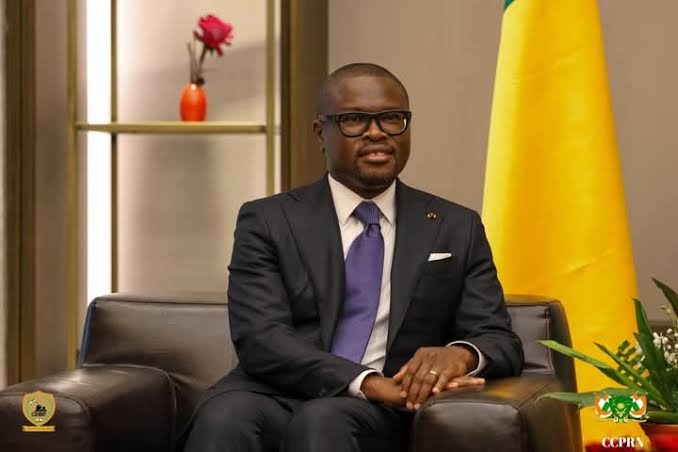
The government, through its spokesperson Minister Amadou Coulibaly, framed the dissolution not as an end but as a strategic lever to rebuild trust between voters and the electoral administration. The stated objective is to ensure the organization of peaceful elections in the long term.
« Our goal is to guarantee sustainable, conflict-free electoral processes, » Coulibaly emphasized following the Council meeting.
While the specifics of a replacement body remain undisclosed, the government appears determined to preempt the recurrent tensions associated with electoral cycles in Côte d’Ivoire.
why the dissolution? examining the justifications
The decision to dissolve the CEI rests on several key arguments put forth by authorities and echoed by political analysts:
- Erosion of public trust: Since its inception in 2001, the CEI has increasingly become a lightning rod for political grievances, with its structure deemed obsolete in today’s socio-political landscape.
- Questions over neutrality: Critics argue that the commission’s composition leaned too heavily toward political representation rather than technical expertise, undermining its credibility.
- Need for structural reform: Rather than incremental adjustments, the government has chosen a clean slate approach to create an institution aligned with international transparency standards.
a history of controversy and contestation
The fragility of the CEI is evident in the recurring crises it has faced. From the 2010 presidential election to recent local polls, the commission has been marred by:
- Frequent appeals to international bodies, including the African Court on Human and Peoples’ Rights (ACHPR), which previously criticized the imbalance in stakeholder representation.
- Repeated boycotts by opposition parties, who either refused to participate or withdrew their representatives, questioning the legitimacy of the commission’s decisions.
- Persistent pressure from civil society organizations demanding a complete depoliticization of the electoral body.
the road ahead: uncertainty and expectations
Despite the stated aim of « guaranteeing peace, » the dissolution leaves a significant institutional void. As of now, critical questions remain unanswered, including:
- Who will manage the electoral rolls during the interim period?
- What will the new electoral body look like? Will it be a purely technical commission, modeled after Northern European systems, or an administration under the Ministry of Interior?
In the absence of clear details, Ivory Coast’s political class remains on high alert. While the dissolution may be a symbolic victory for critics of the CEI, its ultimate success hinges entirely on the nature of the institution that replaces it.