United Nations financial shortfall undermines DRC human rights commission in eastern provinces
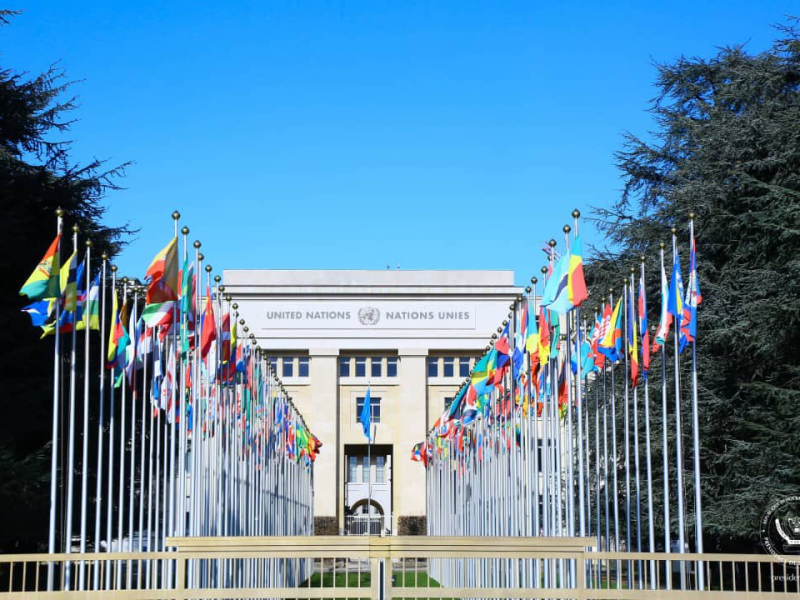
The sixty-second session of the Human Rights Council, featuring an Enhanced Interactive Dialogue, convened in Geneva on June 29, 2026, for the first time hearing from the Independent Commission of Inquiry on human rights violations in North Kivu and South Kivu, Democratic Republic of the Congo, following its initial mission to Kinshasa.
During its maiden visit to the DRC, the Commission conducted extensive consultations in the capital, engaging with representatives of victim support organizations, human rights defenders, civil society actors, government officials, UN entities, diplomats, and the national human rights institution.
Security challenges and financial constraints hinder field operations
Despite the Commission’s intention to visit affected areas in North Kivu and South Kivu, including Goma, ongoing security and health instability have prevented access. These challenges are compounded by broader financial constraints facing the United Nations, which have directly impacted the Commission’s operational capacity.
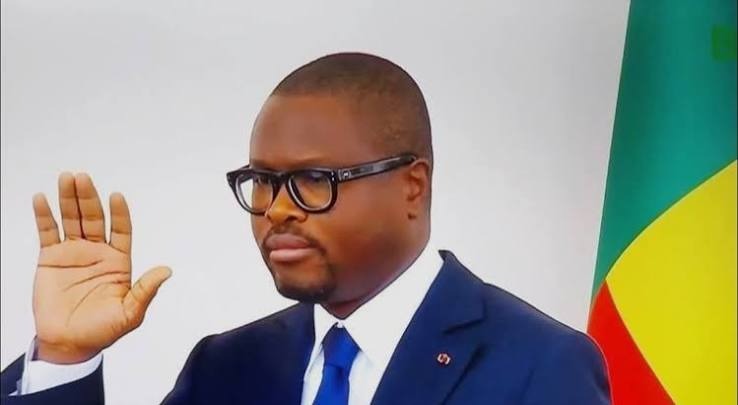
Arnauld Akodjenou, Chair of the Commission, highlighted the severe impact of these financial limitations: “The general financial constraints facing the United Nations have directly affected our operational capacity, particularly our deployable investigation teams, interpretation services, analytical support, mission funding, and sustained field presence.”
Despite these obstacles, he emphasized the Commission’s unwavering commitment to fulfilling its mandate with independence, rigor, and diligence, stating that the suffering brought to its attention demands thorough investigations and resolute international engagement.
Call for safe and unimpeded humanitarian access
Akodjenou underscored the obligation of all parties and actors with control or influence to facilitate safe, rapid, and unimpeded humanitarian access, particularly for women, children, persons with disabilities, the elderly, and other highly vulnerable groups. He stressed that humanitarian workers, medical personnel, and protection actors must be able to safely reach victims and affected communities, especially in the context of the Ebola response.
No victim, witness, human rights defender, journalist, or community representative should face intimidation, retaliation, or reprisals for collaborating with UN mechanisms, including this Commission, he warned.
“The Council tasked the Commission with establishing facts, preserving evidence, identifying those responsible for prosecution, and examining the root causes of these cycles of violence. This work has begun. Protecting the safety, dignity, and trust of victims and witnesses is essential,” Akodjenou stated during the session.
Mandate and scope of the Commission’s investigation
The Independent Commission of Inquiry on human rights in North Kivu and South Kivu was established by the UN Human Rights Council on February 7, 2025, during an extraordinary session addressing the human rights situation in eastern DRC. Its mandate includes investigating alleged violations of human rights and international humanitarian law, particularly those affecting women and children, gender-based violence, and crimes against displaced or refugee populations.
The Commission is also tasked with examining potential international crimes amid the recent escalation of hostilities that began in January 2025 and continues to unfold in North Kivu and South Kivu.
Human Rights Council in Geneva
Commission’s commitment to justice and accountability
Akodjenou concluded by reaffirming the Commission’s dedication to its mandate, despite the formidable challenges it faces. He called for continued international support to ensure the Commission’s ability to conduct thorough, impartial investigations and preserve evidence for future accountability efforts.
The Commission’s work, he emphasized, is not only about addressing immediate violations but also about examining the underlying causes of the recurring violence in the region to prevent future atrocities.