UN sanctions against Corneille Nangaa: what impact on dr Congo’s peace efforts
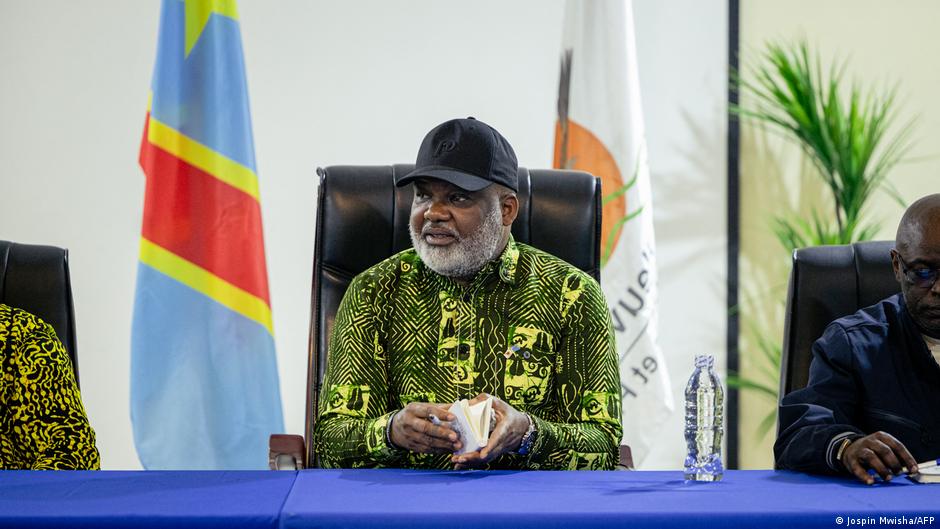
The United Nations Security Council has just imposed sanctions on Corneille Nangaa, coordinator of the M23 rebel movement (Allied Forces of Congo/M23), along with several other militia leaders operating in eastern Democratic Republic of the Congo. This decision comes as DR Congo holds the rotating presidency of the UN Security Council for July 2026.
The targeted individuals include:
- John Imani Nzenze, intelligence chief of AFC/M23
- Charles Sematama, military commander of the Twirwaneho armed group
- Gustave Kubwayo, FDLR commander
- Sébastien Kimenyi, FDLR intelligence officer
- Muhammed Lumisa, ADF commander
The AFC/M23 has dismissed these measures as “selective” and “discriminatory”, arguing they undermine ongoing peace initiatives in which the group is involved.
why now? the strategic timing of these sanctions
International relations expert Professor Bob Kabamba of the University of Liège, Belgium, suggests the UN may be attempting to isolate the M23 from peace processes, potentially complicating negotiations. “It will become challenging for the UN to maintain its presence on the ground and continue collaborating with AFC/M23, especially in coordinating peace implementation efforts. The UN mission in DRC has repeatedly worked closely with this rebel coalition,” he notes.
Meanwhile, Professor Julien Mahatma Tazi, an international relations scholar at the University of Kinshasa, views the timing as deliberate. “DR Congo’s international visibility during its Security Council presidency has kept the eastern DRC crisis at the forefront of diplomatic discussions. The UN aims to demonstrate that negotiations do not absolve individual responsibility for fueling conflict. These sanctions increase pressure on armed group leaders while supporting diplomatic efforts.”
Regardless of intent, these measures weaken the international legitimacy of targeted militia commanders, restrict their movement, and—if enforced by states—could curtail their financial resources.
civil society demands swift enforcement
Civil society groups in rebel-controlled areas, such as Walikale in North Kivu province, express concern over the lack of consistent enforcement of past sanctions. Fiston Misona, president of the Walikale Civil Society, emphasizes the urgency: “Every time sanctions are imposed, they are not enforced as required. We urge the UN to ensure these measures are fully applied against those responsible for human rights violations in DRC.”
Notably, Corneille Nangaa has faced sanctions before—twice from the United States and once from the European Union—yet violations persist in eastern DRC.