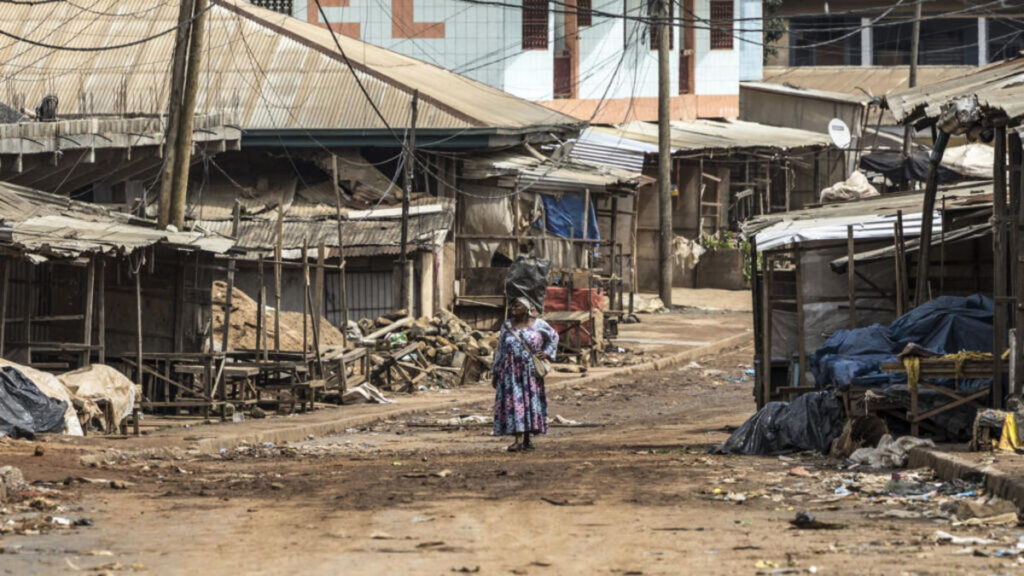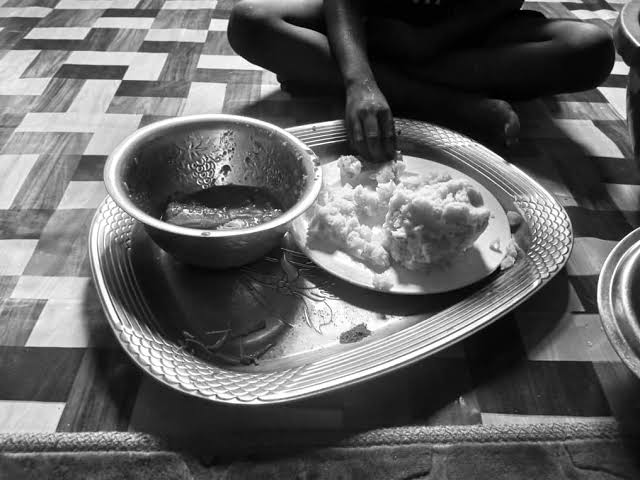
Between health concerns and inadequate controls, food security is at the heart of the debate. Recent social media images showing distressing conditions for product manufacturing and sales at several Chadian markets have reignited a major question: who really controls what you eat?
The images speak louder than words. Scenes showing non-conforming production environments are sparking reactions. Consumers are expressing their concern about products commonly consumed by families.
Food is not just a commodity, but it directly affects public health. When doubt arises over its quality, the entire food supply chain is scrutinized: producers, merchants, control services, and competent authorities.
The question isn’t just who produced an item in poor conditions, but also how such a product ended up on the markets and tables of consumers.
Food Safety Control Remains Fragile
In a country where markets play a crucial role in daily food provision, surveillance is a permanent challenge. Control services face multiple realities: lack of resources, inadequate equipment, difficulty in regular monitoring, and sometimes the proliferation of informal actors.
However, consumer protection cannot rely solely on social media alerts. The control must intervene before risks reach citizens.
A true food security policy requires regular inspections, sanctions when rules are not followed, and support for producers to adopt better hygiene practices.
The Consumer Faces a Lack of Information
Every day, the Chadian consumer buys products without knowing their exact origin. Production dates, storage conditions, or applied standards remain difficult to verify.
In this context, the consumer becomes the last bastion against health risks, when they should be the primary beneficiary of an effective control system.
Transparency must become a priority. Serious producers must be valued, while those putting public health at risk must answer for their actions.
A Collective Responsibility
Food security is not just a matter for a ministry or technical services. It’s everyone’s responsibility. Enterprises must respect standards, merchants must guarantee acceptable sales conditions, and authorities must fulfill their control mission.
Letting dangerous practices thrive is exposing thousands of families to invisible risks. The consequences can be severe: foodborne illnesses, diseases, and loss of consumer trust.
The recent reactions show growing awareness. But beyond temporary indignation, we need concrete and sustainable actions.
A New Food Culture Urgency
The question ‘Who really watches what you eat?’ deserves a clear answer. It addresses institutions, but also economic actors and every citizen.
A country aspiring to development cannot neglect food quality. Public health begins in the plate. Ensuring Chadians safe food is not a luxury, but a fundamental obligation.
Today’s challenge is transforming alerts into reforms: strengthening controls, modernizing competent services, and instilling a true culture of responsibility around food.
Because behind every product sold on a market, there’s an essential question: are we really protecting those who eat it?