Cotonou hosts historic meeting between President Wadagni and Africa’s top industrialist
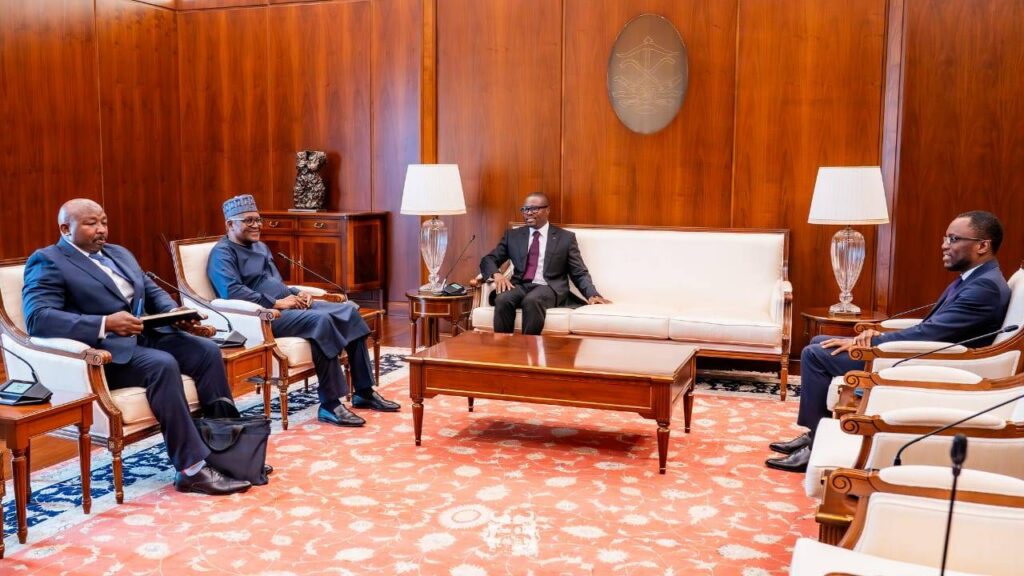
In a landmark event on July 28, 2026, Bénin’s Head of State, Romuald Wadagni, welcomed Nigeria’s wealthiest businessman, Aliko Dangote, for a high-level audience at the Palais de la Marina in Cotonou. The meeting marked a pivotal moment in Bénin’s economic strategy, focusing on deepening bilateral cooperation, attracting major investments, and unlocking new growth opportunities through a strengthened partnership with Africa’s industrial giant.
A meeting of strategic significance
The corridors of power in Cotonou buzzed with anticipation as the President of the Republic welcomed one of Africa’s most influential private sector leaders. Though diplomatic engagements are routine at the Palais de la Marina, this audience stood out for its potential to reshape Bénin’s economic trajectory. It underscored the shared commitment of Cotonou and Abuja to elevate their economic ties and accelerate regional integration.
For President Wadagni, a seasoned technocrat with a track record in public finance and development, hosting Aliko Dangote was not merely a symbolic gesture but a strategic step forward in his national development agenda. The visit reflected a clear recognition of the transformative role that private sector leadership can play in driving economic progress.
Aliko Dangote: Africa’s industrial titan looks toward Bénin
With a diversified business empire spanning cement, sugar, agro-processing, logistics, and petroleum refining—most notably through the Dangote Refinery in Nigeria—Aliko Dangote has long been a dominant force in West African industry. To the Dangote Group, Bénin is more than a neighboring state; it is a vital market, a key transit hub for regional trade, and a historical partner with deep commercial ties, both formal and informal.
The billionaire’s visit reaffirmed his keen interest in Bénin’s economic potential. His ambition is to identify new growth opportunities, secure cross-border supply chains, and launch high-impact projects capable of serving both the Bénin market and the broader Sahel hinterland.
“West Africa’s growth potential is limitless when we align the industrial strength of our private sector with the strategic vision of our governments,” noted a spokesperson for the billionaire following the meeting.
What Bénin stands to gain from this partnership
The economic implications of this meeting extend far beyond diplomatic symbolism. Bénin stands to benefit in several tangible ways from stronger ties with the Dangote Group.
Boosting foreign direct investments
The establishment or expansion of Dangote-backed projects would inject substantial foreign capital into Bénin’s economy. Whether through cost-competitive construction materials, modern storage facilities, or other industrial ventures, every investment strengthens the country’s production base and enhances its economic resilience.
Job creation and skills transfer
Large-scale industrial projects naturally generate thousands of direct and indirect jobs, particularly for young Béninois. Equally important is the transfer of technical expertise and modern management practices, which will uplift the local workforce and improve industrial efficiency across sectors.
Revitalizing the Port of Cotonou and logistics networks
Bénin’s Port Autonome de Cotonou, the nation’s economic lifeline, could see increased cargo traffic and optimized use of road and rail corridors through closer collaboration with Dangote’s logistics operations. This would not only enhance trade flows but also significantly boost customs and tax revenues for the national treasury.
Enhancing energy security and resource supply
With the Dangote Refinery now operational in Nigeria, Bénin could gain preferential access to refined petroleum products and petrochemical derivatives—especially fertilizers critical for its agricultural sector. This would reduce vulnerability to volatile international markets and support domestic food production.
Bénin-Nigeria axis: A new era of economic cooperation
Historically, commercial relations between Bénin and Nigeria have been volatile, often disrupted by political tensions and sudden border closures. This meeting signals a shift toward sustainable normalization and pragmatic economic engagement.
By engaging directly with Nigeria’s top private sector leaders, the Bénin government is not only asserting its sovereignty but positioning the country as an indispensable logistics, financial, and services hub for Nigerian industries. This strategic pivot enables Bénin to move beyond being a passive neighbor to becoming a core player in regional value chains.
Moreover, the rapprochement offers a pathway to formalize cross-border trade, reducing informal transactions and increasing fiscal transparency. This will lead to greater revenue collection for the state and a more structured, rules-based economic environment.
A vision for Bénin’s economic future
This landmark audience on July 28, 2026, represents a turning point in President Romuald Wadagni’s economic roadmap. By welcoming Aliko Dangote, the government has laid the foundation for transformative industrial and financial partnerships.
While formal agreements and operational roadmaps are still in development, the intent is clear: to transform Bénin into a magnet for large-scale investments and to convert its geographic proximity to Nigeria into a national prosperity engine. The coming weeks will reveal the first concrete projects born from this strategic dialogue—projects that could redefine Bénin’s place in West Africa’s economic landscape.