what the constitutional court’s referendum law ruling means for dr Congo
the court’s decision and its implications
The Democratic Republic of Congo’s Constitutional Court has delivered a landmark ruling on the controversial referendum law, reshaping the political landscape ahead of upcoming elections. This decision, which follows months of intense debate, carries profound implications for both the current administration and the opposition.
The ruling, issued after careful deliberation, validates key provisions of the referendum law while striking down others deemed unconstitutional. This move is expected to accelerate preparations for the national vote, though it has already sparked sharp reactions from political factions across the spectrum.
key takeaways from the constitutional court’s verdict
- election framework: The court has upheld the referendum’s role in determining electoral procedures, ensuring that modifications can be made to the voting system before the next cycle.
- opposition concerns: Critics argue that certain aspects of the law could disproportionately benefit the ruling party, raising questions about fairness and transparency in the electoral process.
- international scrutiny: The decision has drawn attention from regional observers, who emphasize the need for an inclusive and credible electoral environment.
- public reaction: Citizens are divided, with some welcoming the ruling as a step toward modernization and others viewing it as a threat to democratic principles.
next steps for dr Congo’s political future
With the constitutional court’s ruling now in effect, attention turns to the implementation phase. The government must navigate a delicate balance between enforcing the law and addressing the concerns of skeptics. Meanwhile, civil society groups are mobilizing to monitor the process and advocate for reforms that ensure a level playing field.
The president’s office has signaled its commitment to a transparent electoral process, but the road ahead remains fraught with challenges. Political analysts warn that unresolved tensions could undermine public trust in the institution of democracy itself.
what this means for Félix Tshisekedi’s presidency
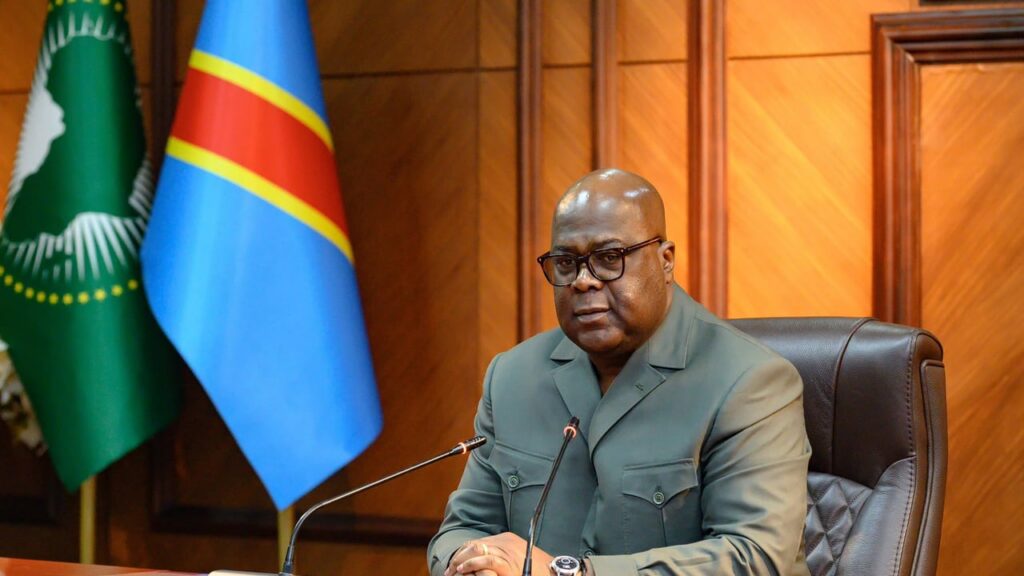
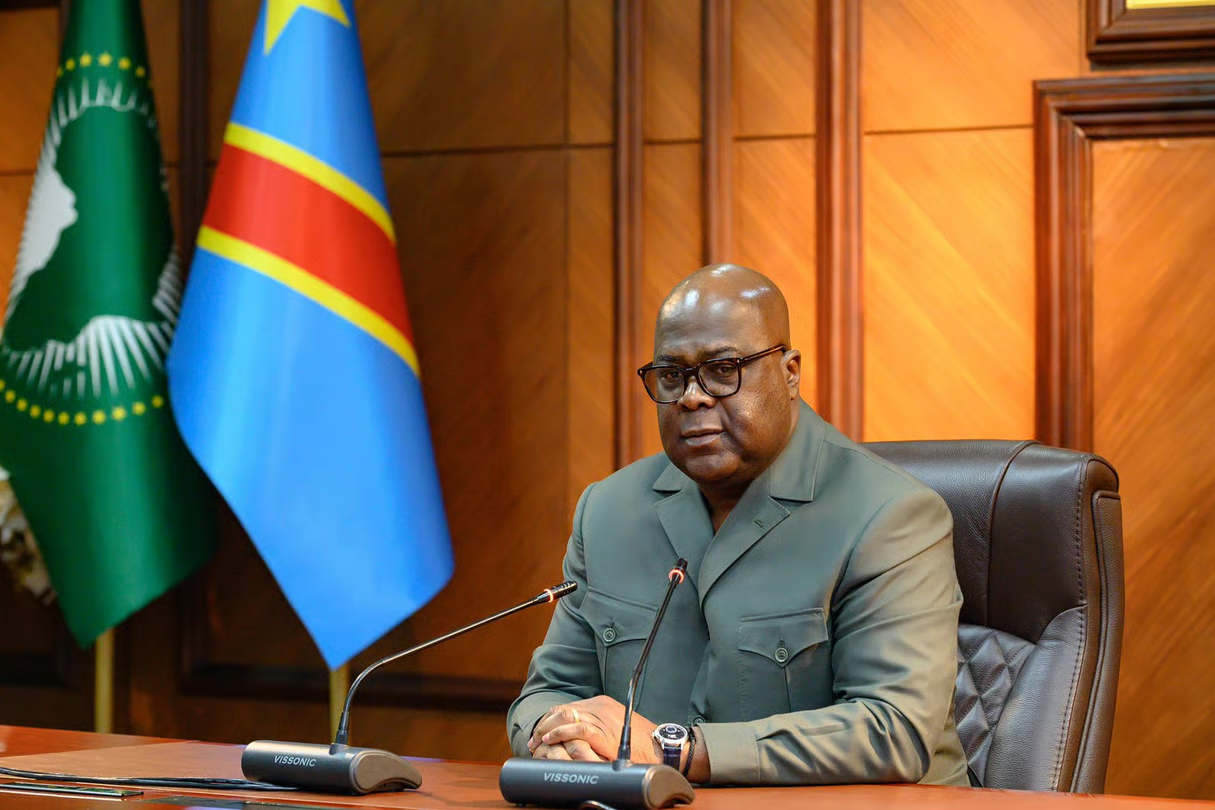
For President Félix Tshisekedi, the court’s decision presents both an opportunity and a risk. On one hand, it provides legal backing for his administration’s agenda; on the other, it intensifies scrutiny over the fairness of upcoming elections. The president’s ability to address these concerns may well determine his legacy in the eyes of both Congolese citizens and international partners.
As the nation prepares for a pivotal moment in its democratic journey, all eyes are on how the government, opposition, and civil society respond to this pivotal ruling.