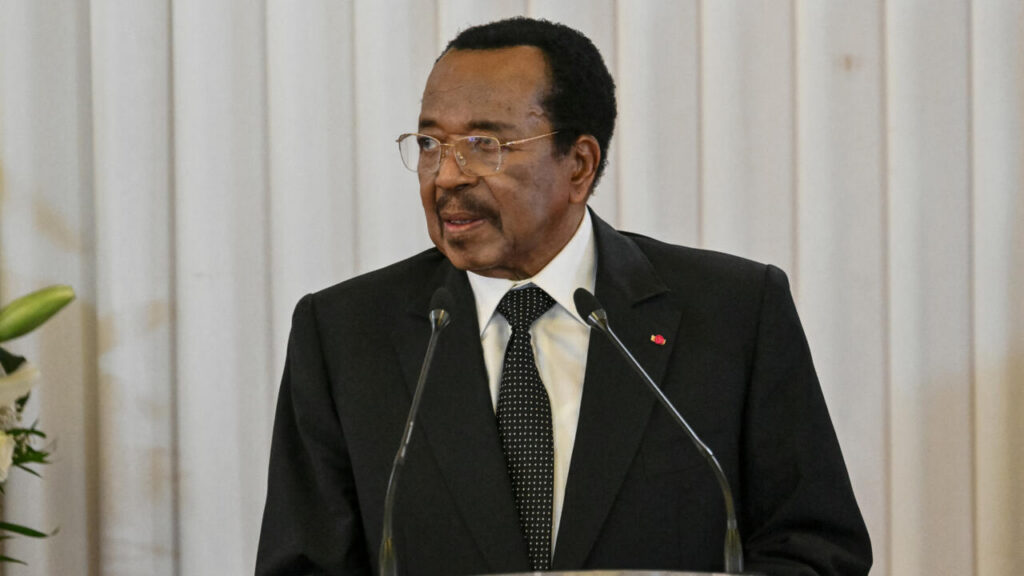
The whereabouts of Cameroon’s President Paul Biya, now 93 years old, remain unknown after he vanished from public view on June 7, when state-owned Cameroon Tribune announced his departure for a brief private stay in Europe.
Fifty days later, no updates have been provided regarding his current location or expected return date. This unprecedented silence has triggered a wave of speculation among opposition factions, who describe the situation as a power vacuum, autopilot governance, or a presidency operating in remote-work mode.
The absence raises critical questions: What does the Constitution stipulate for prolonged presidential absence? Could this blind spot trigger bottlenecks in managing the nation’s most pressing files?
Constitutional safeguards and political fallout
The Cameroonian Constitution outlines clear protocols for scenarios where the president is unable to fulfill duties. Article 66 mandates that in cases of permanent incapacity, a medical board must certify the situation before the Senate president assumes interim authority. However, the current ambiguity—neither confirming incapacity nor providing a timeline—has left institutions in limbo.
Opposition leaders have seized on the uncertainty, with some arguing that prolonged silence equates to a de facto vacancy. Others warn of a shadow presidency, where decisions are made behind closed doors without public accountability.
Public reaction and institutional response
Citizens and analysts alike are demanding transparency. Social media platforms are flooded with hashtags like #WhereIsPaulBiya, while local media outlets struggle to fill the information void. Government officials have remained tight-lipped, fueling further distrust.
The situation is particularly delicate given Cameroon’s geopolitical challenges, including ongoing security threats and economic pressures. Without clear leadership signals, the country risks policy paralysis at a time when decisive action is needed.
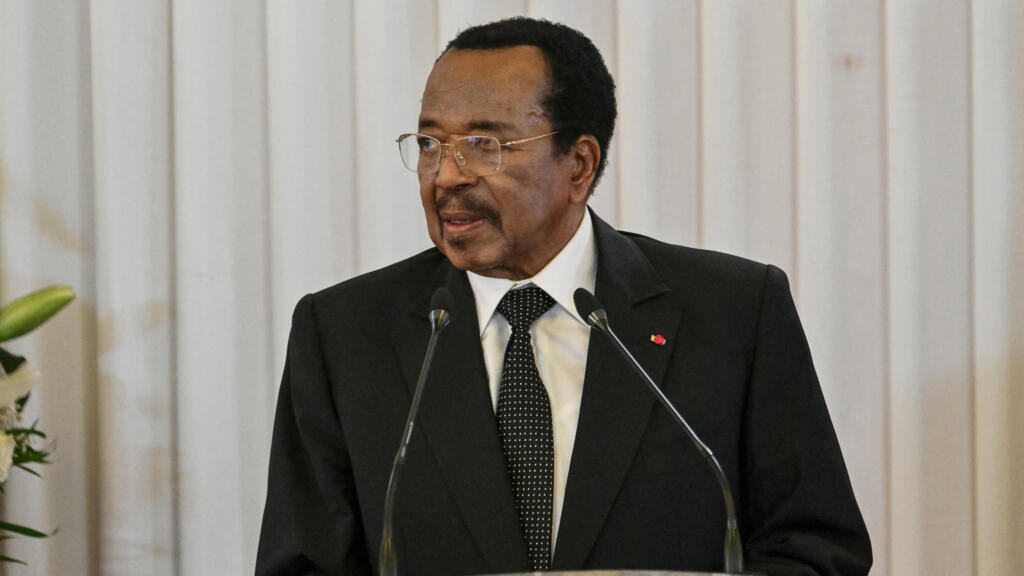
Analysts weigh in on the crisis
Stéphane Akoa, political analyst at the Paul Ango Ela Foundation, highlights the gravity of the situation: “The absence stretches constitutional boundaries. While the law provides a framework, ambiguity breeds instability. Citizens deserve clarity, and institutions require direction.”