Benin authorities thwart coup attempt amid regional tensions
Gunfire erupted near the presidential palace in Cotonou as soldiers sealed off access points, sparking fears of a destabilizing power grab.
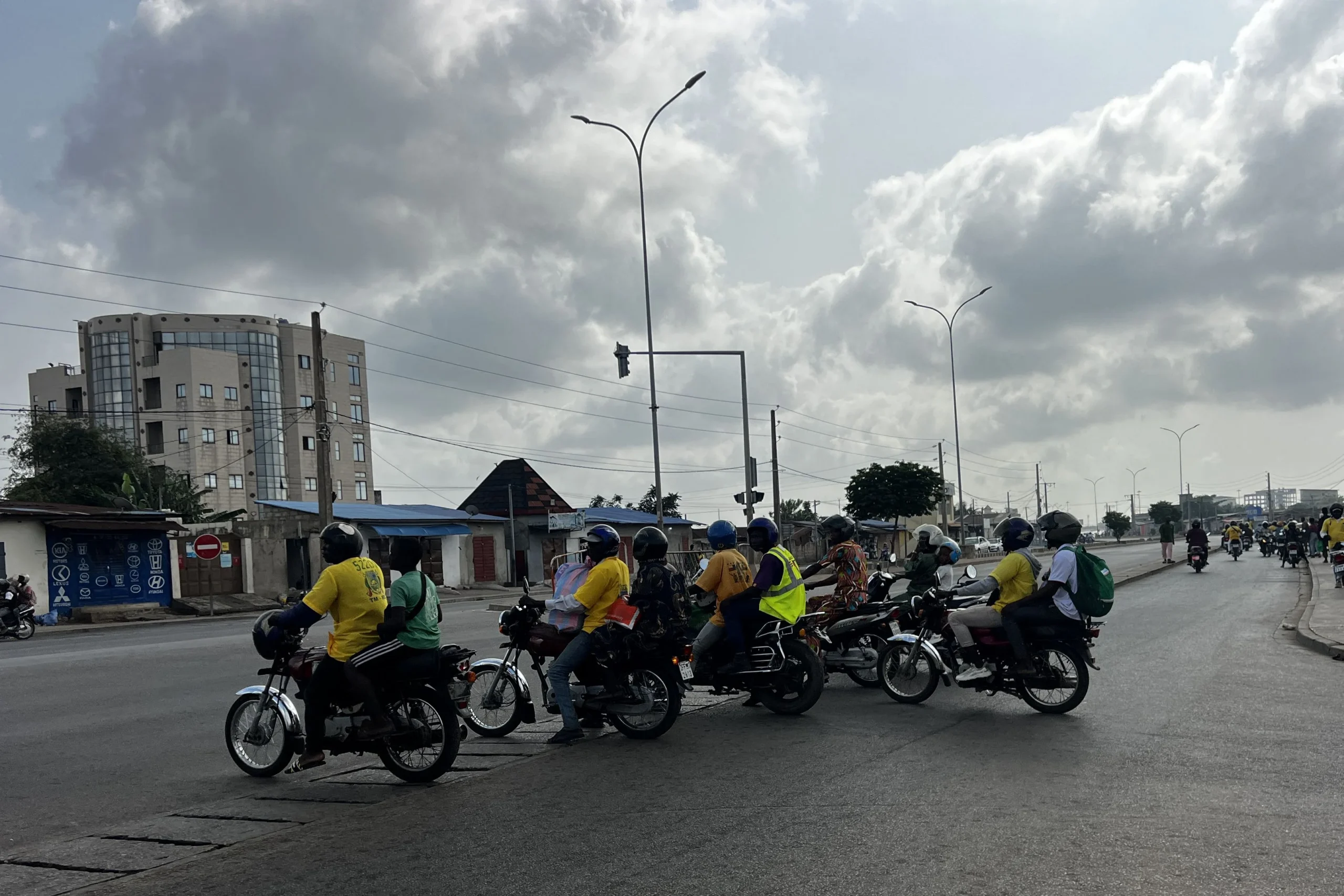
Benin’s government announced Sunday that it had thwarted a coup attempt targeting President Patrice Talon, who reassured citizens that the situation was “fully under control”. West Africa’s regional bloc, the ECOWAS, pledged military support to stabilize the country.
The attempted power grab unfolded mere months before Talon’s second term concludes, following a period marked by robust economic growth but overshadowed by escalating jihadist violence in northern Benin. The broader West African region has faced persistent political instability since 2020, with successful coups in Mali, Burkina Faso, and Niger—Benin’s neighbors—as well as Guinea and, most recently in late November, Guinea-Bissau.
On Sunday morning, gunfire erupted near the presidential palace, followed by soldiers storming the national television station to declare Talon’s removal. The mutineers cited a “deteriorating security situation” and alleged violations of “fundamental freedoms” as justification for their actions.
Several hours later, Interior Minister Alassane Seidou appeared on national television to confirm the coup attempt had been thwarted. President Talon echoed this message in a nationwide address Sunday evening, declaring the “security and public order are maintained across the country” and vowing that “this act will not go unpunished”. He praised the Republican Guard for their swift response upon his arrival at the palace.
“I heard gunshots this morning and fled my neighborhood out of fear,” shared Nabil Sacca, a fuel vendor who was near the presidential palace during the chaos. Meanwhile, Michelle Eudoxie, a 50-year-old hairdresser, noted, “Tonight, I’m leaving work early. We don’t know who’s behind this coup.”
ECOWAS dispatches regional troops
According to military sources, a dozen soldiers have been arrested, including some involved in the plot. While the ringleader, Lieutenant-Colonel Pascal Tigri, was not explicitly named, security officials confirmed his potential involvement. Late Sunday afternoon, Nigeria’s air force conducted strikes in Cotonou “under ECOWAS protocols,” as stated by Air Force spokesman General Ehimen Ejodamen, though targets were not disclosed.
ECOWAS subsequently announced the “immediate deployment” of troops from Nigeria, Sierra Leone, Côte d’Ivoire, and Ghana to bolster Benin’s government and military, safeguarding constitutional order. The bloc’s standby force, tasked with regional peacekeeping, previously intervened in Gambia in 2017 to enforce election results but opted against action in Niger following last year’s coup.
The African Union (AU) strongly condemned the coup attempt, labeling it an “unambiguous threat” to stability. Benin’s political history has seen multiple coups, with the last occurring in 1972. “It feels like reliving our parents’ experiences,” remarked Remy Agblo, a local trader. “Thankfully, it was stopped.”
President Talon, in power since 2016, is constitutionally barred from seeking a third term in the 2026 election. His designated successor, Finance Minister Romuald Wadagni, is the frontrunner, though opposition parties have been excluded from the race. “Tensions have been rising for months over the elections,” noted Anatole Zinsou, a Cotonou-based IT specialist, citing concerns over “exclusionary electoral processes.”
While Talon is credited with economic development, critics argue his administration has adopted increasingly authoritarian measures in a nation once celebrated for its vibrant democracy.