Northern Benin is facing a growing menace from improvised explosive devices (IEDs), forcing a strategic shift in how security forces operate in the region. In a landmark move, Benin’s armed forces have bolstered their capabilities with cutting-edge technology delivered by France, marking a significant upgrade in the fight against asymmetric threats.
New tools to dismantle an invisible enemy
The tactics of armed groups in northern Benin have evolved. No longer relying solely on direct confrontations, they increasingly deploy IEDs—hidden on roads, tracks, and pathways—to inflict maximum damage while minimizing their own exposure. These crude yet deadly devices are designed to disrupt military mobility and instill fear among civilians.
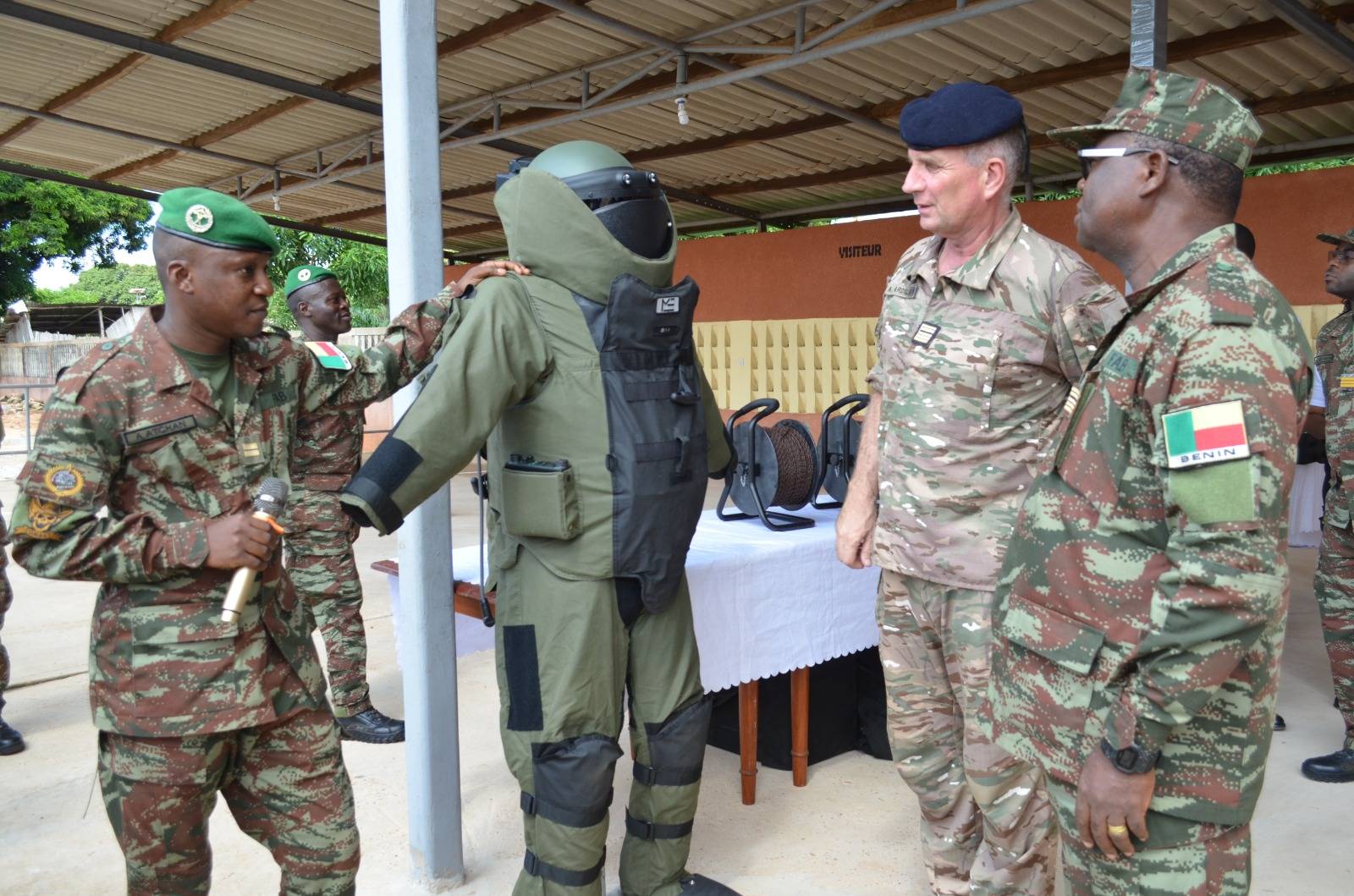
In response, France has equipped Benin’s Centre de Perfectionnement aux Actions Post-Conflictuelles de Déminage et de Dépollution (CPADD) Colonel Jean Kouagou N’PINA with advanced bomb disposal technology. The delivery includes high-precision metal and anomaly detectors, remote disruption cannons (for safely disabling bomb circuits without detonation), and specialized intervention vehicles. The most critical addition, however, is portable signal jammers. These devices, worn by personnel or mounted on vehicles, instantly block radio and cellular frequencies in a designated area, preventing remote detonation of explosives.
Unlocking economic revival through safer roads
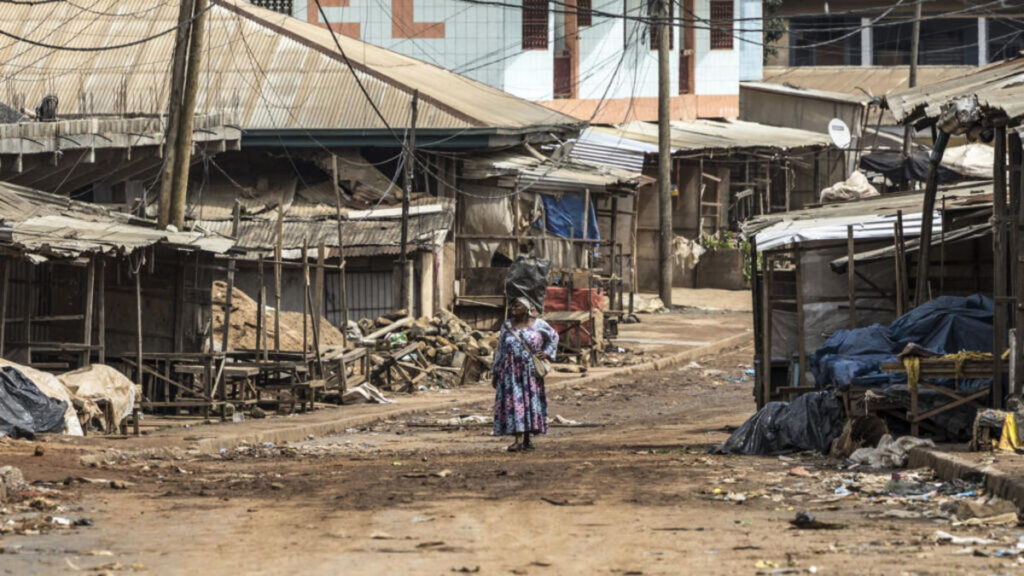
The impact of this technological boost extends far beyond military operations. In northern Benin, communities have long lived under the shadow of IEDs. Fear of hidden bombs has crippled local economies, shutting down weekly markets, halting cotton shipments, and cutting off access to clinics and schools.
« The rise of improvised explosive devices demands constant adaptation of our methods, » stated Lieutenant-Colonel Djimon Sahgui, Director of the CPADD. « Every tool we receive strengthens our ability to clear roads and restore normalcy. » With the new equipment, the 1st Engineer Battalion is accelerating the clearance and securing of key routes. For residents in towns like Matéri, Karimama, and Tanguiéta, seeing bomb disposal teams equipped with these technologies is a powerful signal: the state is reclaiming control of public spaces, enabling pastoral and commercial activities to resume.
Training the next generation of bomb disposal experts
High-tech equipment is only as effective as the hands that wield it. Lieutenant-Colonel Arnaud Ardillier, France’s Defense Attaché in Benin, emphasized that this donation is « a concrete investment in the safety of Beninese soldiers. »
The new gear will be integrated into the Explosive Ordnance Disposal (EOD) training programs at the CPADD, a regional leader in demining education. Beninese technicians will now train on state-of-the-art systems, accelerating the development of elite bomb disposal teams. The goal is to deploy highly skilled units alongside combat troops, drastically reducing casualties during patrols.
A strengthened alliance against shared threats
The handover ceremony, led by Colonel Gilbert Lossitode on behalf of Benin’s Chief of General Staff, highlighted the deepening defense ties between Benin and France. As West Africa’s security landscape undergoes rapid changes, both nations are reaffirming their commitment to a collaborative approach.
In his remarks, Colonel Lossitode hailed the delivery as « an act of solidarity and concrete commitment. » This initiative, born from close coordination between military leaderships, directly supports Operation Mirador, Benin’s military campaign in the North to counter jihadist infiltration.
Building resilience for a safer future
This latest advancement in the Benin-France military partnership underscores a shift in counter-terrorism strategy: technology, not just manpower, is now at the forefront. By equipping Benin’s forces with top-tier tools, the country is enhancing its operational effectiveness in the fight against terrorism.
The broader impact is undeniable. The neutralization of IED threats is the foundation for stability, economic recovery, and the restoration of hope among northern Benin’s communities. With safer roads and renewed security, families can once again plan for the future with confidence.