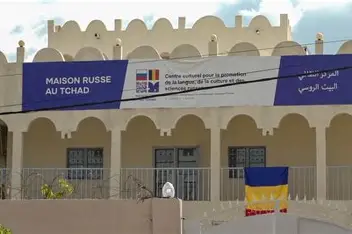
From Bamako to Bangui, with Niamey included, the so-called Russian Houses have evolved into one of Moscow’s most potent tools for exerting influence across Africa. Officially established to foster cultural and educational collaboration, these centers now operate in over twenty nations, serving as a cornerstone of Russia’s soft power strategy on the continent.
education and culture as instruments of influence
The Russian Houses achieve their objectives through a multifaceted approach: offering Russian language courses, hosting cultural events, and awarding thousands of university scholarships annually. By engaging directly with African youth, these initiatives aim to cultivate a new generation of professionals, academics, and policymakers who are not only familiar with Russian values but also aligned with its geopolitical interests. The long-term goal is clear—establishing enduring networks of influence that extend far beyond mere diplomatic relations.
a strategy shrouded in ambiguity
While the opportunities provided to African students are undeniable, the true motivations behind this initiative remain a subject of debate. Critics argue that beyond the stated goals of educational and cultural exchange, the Russian Houses serve a more covert purpose: shaping the perceptions of future African leaders. Historical precedents demonstrate that major global powers have long leveraged education, academic exchanges, and cultural diplomacy to expand their influence abroad. By investing in the intellectual development of emerging generations, these nations secure lasting alliances and reinforce their strategic foothold in target regions.
filling the void left by western retreat
In an era where several African nations are witnessing a decline in Western engagement, Russia appears poised to capitalize on the resulting vacuum. The Russian Houses are not merely educational or cultural hubs; they function as strategic instruments designed to embed Russian influence deeply within African societies. This dual role—both as cultural ambassadors and geopolitical tools—highlights the sophistication of Moscow’s approach to continental engagement.
the enduring question of intent
Remains unanswered: is this initiative a genuine effort to promote cross-cultural understanding, or does it represent a calculated strategy to mold the minds of future African leaders? The distinction is critical, as the answer could redefine the power dynamics across the continent for decades to come.