Benin is writing a new chapter in its cultural sovereignty by transforming the return of its stolen heritage into a catalyst for economic and social revival. With the establishment of a National Scientific Committee on July 14, 2026, Cotonou is accelerating the repatriation of 35 cultural treasures and colonial archives from France—moving beyond symbolism to build a sustainable cultural economy that resonates deeply with local communities.
A renewed chapter in Beninese cultural diplomacy
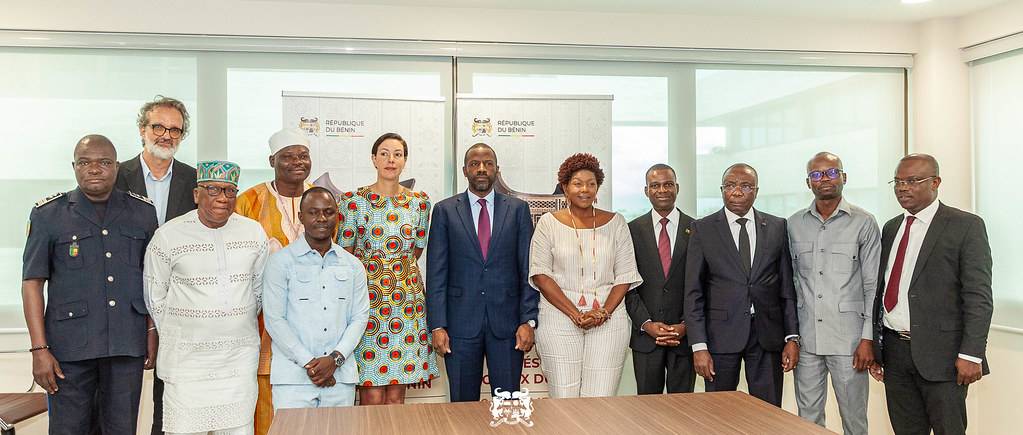
Having led Africa’s restitution movement, Benin is now advancing to the next phase of its heritage diplomacy. The government has formally requested the return of 35 significant artworks and historical documents, each holding vital importance for the nation’s collective memory. To ensure a rigorous, legally sound, and historically accurate process, a National Scientific Committee was inaugurated in Cotonou on July 14, 2026, led by Alain Godonou, a leading figure in African cultural preservation.
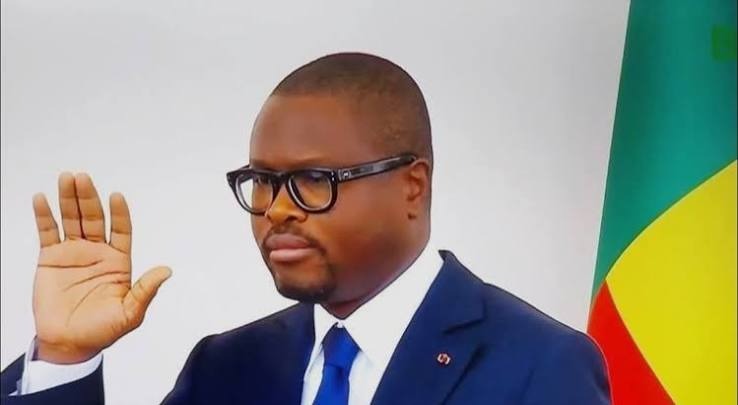
The committee, composed of six top-tier experts, will strengthen Benin’s case and work closely with a future joint Franco-Beninese scientific commission. Speaking at the inauguration, Culture Minister Yassine Latoundji underscored the sacred nature of their mission, urging the team to uphold intellectual rigor, independence, and fidelity to truth.
From cultural pride to economic transformation
While the moral and political significance of restitution is clear, Benin’s government views this initiative as a strategic investment in national development. In cities like Cotonou, Abomey, and Ouidah, culture is no longer seen as a financial burden—but as a key driver of growth, capable of creating thousands of jobs in tourism, hospitality, and the creative arts.
World-class museums and heritage sites to anchor the new economy
To house and showcase these returned treasures, Benin is investing in state-of-the-art infrastructure nationwide. The future Musée des Rois et des Amazones in Abomey will celebrate the legacy of the Dahomey kingdom with grandeur and authenticity. In Porto-Novo, the Musée International du Vodun aims to reclaim and reinterpret a spiritual tradition often misunderstood. Meanwhile, the restoration of historic forts in Ouidah will anchor a new era of memory tourism tied to the transatlantic slave trade. These projects are designed to attract international investment and build local expertise in curation, cultural mediation, and art restoration.
Tourism and local crafts: a ripple effect of recovery
The arrival of 35 new cultural artifacts and archives will dramatically enrich Benin’s museum offerings. The ripple effects are expected to boost hospitality, with hotels and restaurants seeing a surge in regional and international visitors. Artisans—especially bronze casters, weavers, and woodcarvers—are already drawing inspiration from the recovered pieces to revive and modernize traditional techniques. Guides, drivers, and event planners are also set to benefit as a dynamic tourism ecosystem takes shape around these cultural landmarks.
A movement rooted in community pride and academic hope
Across Cotonou and beyond, the restitution initiative has sparked a wave of pride and hope. Séraphin, a bronze artisan at Dantokpa Market, reflects: « These objects aren’t just museum pieces. They are the spirits of our ancestors, the knowledge we were stripped of. Their return is like reclaiming a part of our soul. And if it brings the world to our workshops, it’s our youth who will thrive. »
Students at the University of Abomey-Calavi share this sentiment. Amélie, a history PhD candidate, notes: « Before, to study our own colonial history in depth, researchers had to travel to Paris or Aix-en-Provence. The return of these archives to Cotonou is a scientific victory. Now, we can write our history from our own land, in our own words. »
This grassroots support is the backbone of the government’s vision. Restitution is not just an elite or diplomatic affair—it is a people’s reclaiming of identity and a cornerstone of national unity.
Redefining post-colonial partnership through science and respect
By launching the National Scientific Committee on France’s national holiday, Benin sends a powerful message: this is no longer a relationship of confrontation, but one of equal, forward-looking cooperation. France and Benin are co-creating a new model of post-colonial relations—rooted in mutual respect, knowledge exchange, and shared expertise.
Key milestones are already set. In July 2026, the committee began its work. By the end of the year, experts will finalize dossiers for the 35 artworks and archives in close consultation with French institutions. The final phase, slated for 2027, will see official transfers approved by the joint Franco-Beninese commission.
A model for 21st-century Africa
Benin’s methodical approach proves that cultural restitution is far more than historical reparation. By scientifically structuring its claims and preparing meticulously for the return of these treasures, Cotonou is turning heritage into a pillar of political empowerment, popular pride, and sustainable economic development. As 35 masterpieces and archives prepare to return home, Benin is setting an example for Africa: culture is not just a legacy—it’s the foundation of the future.