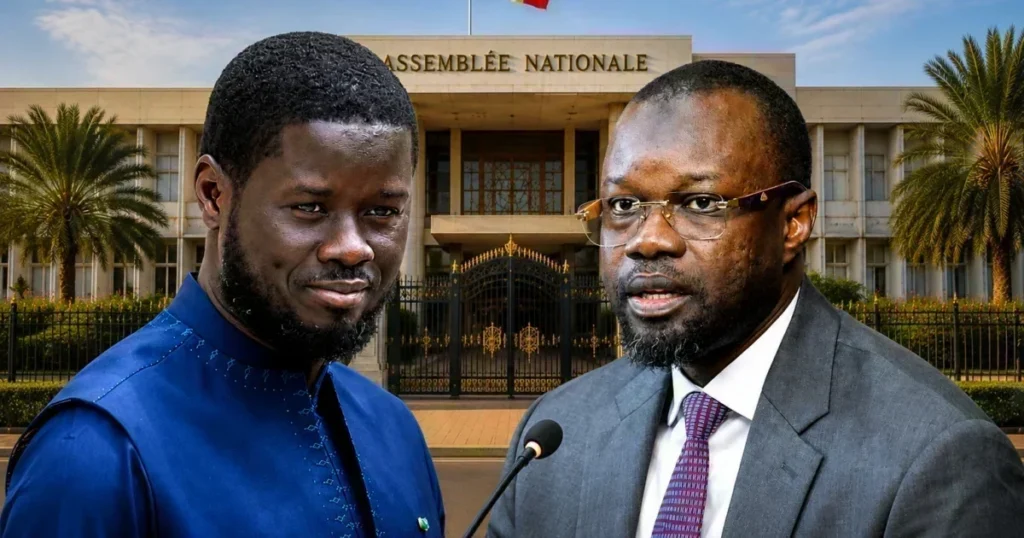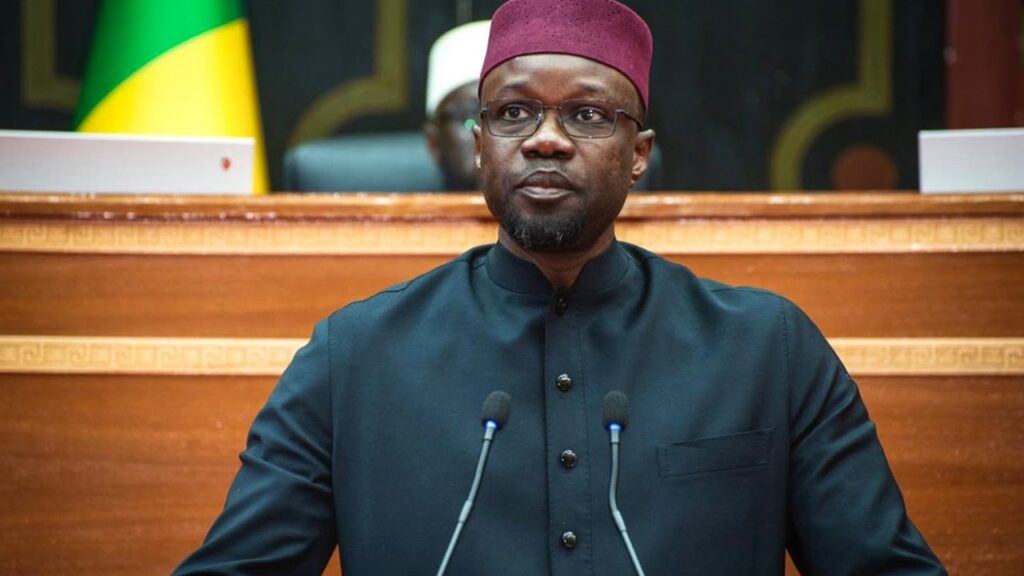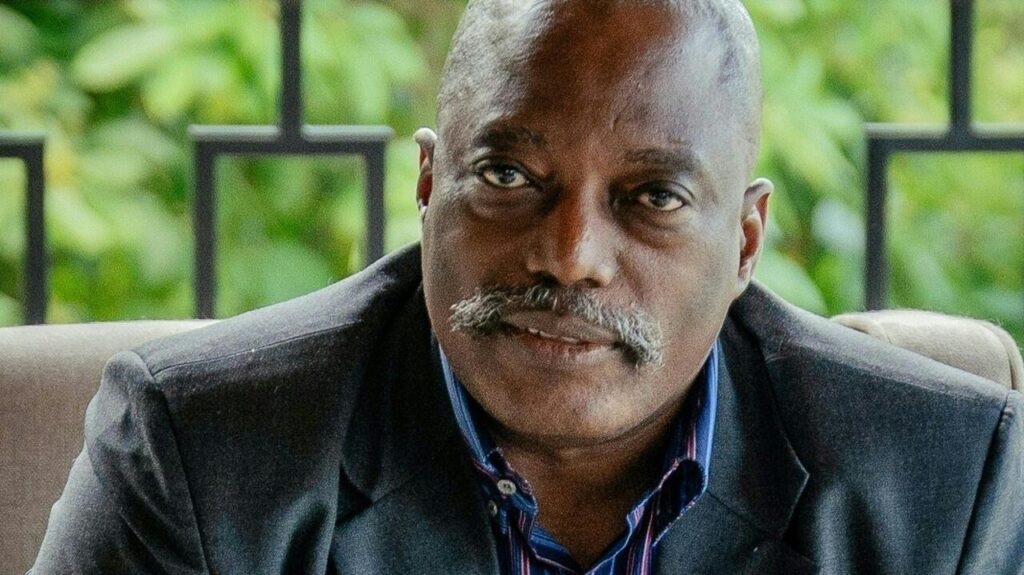
The brief return of former Senegalese President Macky Sall to Dakar on July 17 marks a politically charged moment in the country’s recent history. The announcement, made via his social media channels on July 14, signals more than a courtesy visit—it underscores a strategic move with far-reaching implications for both men’s political legacies.
At the heart of their meeting lies a critical question: will President Bassirou Diomaye Faye lend his institutional backing to Sall’s bid for the position of United Nations Secretary-General? The outcome of this discussion could determine whether Dakar endorses a candidacy that, if successful, would place Senegal at the forefront of global diplomacy once again.
The un bid hinges on Dakar’s approval
The path to the UN’s top post is governed by strict diplomatic conventions. A candidate’s viability often begins with the explicit support of their home country, a prerequisite that must be secured before broader negotiations at the Security Council can even commence. For Sall, securing Faye’s endorsement would be the first decisive step in what could become a months-long campaign in New York.
The timing of this potential candidacy is equally significant. With António Guterres’ term concluding in late 2026, the UN’s informal rotation system may favor an African candidate—an opportunity Senegal has not held since Boutros Boutros-Ghali and Kofi Annan. However, this historic window depends entirely on whether Faye’s administration is willing to champion a candidacy from a predecessor whose political legacy remains deeply divisive.
A meeting laden with unspoken stakes
The relationship between Sall and Faye is defined by the turbulence of Senegal’s political transition. The current president rose to power after a campaign that directly challenged the policies of his predecessor, including legal and administrative audits targeting former officials from the Sall era. These actions have left a residue of tension between the two camps, making any interaction between them a high-stakes affair.
Beyond the UN candidacy, their July 17 encounter will test the waters for broader political normalization in Senegal. Key questions loom: Will Sall be granted a political comeback? What assurances, if any, will be extended to his associates? And how will Dakar position itself ahead of high-stakes multilateral summits in the coming months? The brevity of the visit suggests the two leaders aim to address a single agenda item—without reopening old wounds.
A defining moment for Senegalese diplomacy
For Faye, the decision carries significant diplomatic and domestic consequences. Backing Sall’s candidacy would not only elevate his predecessor’s global profile but also position Senegal as a key player in shaping the UN’s future leadership. Conversely, a refusal or delay could undermine Sall’s ambitions while exposing Dakar to criticism from African partners and segments of the Senegalese public who view international influence as a national priority.
The stakes extend beyond bilateral relations. Senegal’s credibility within the African Union may hinge on its ability to rally collective support behind a single candidate, a factor that could tip the scales in New York. No official statement has yet emerged from the presidency regarding Sall’s bid, with the administration likely opting for a measured approach ahead of the meeting.
Regardless of the outcome, the July 17 rendezvous will be the first public interaction between the two leaders since Senegal’s leadership transition in April 2024. It may mark the beginning of a long-awaited political thaw—one that could ease the adoption of economic and institutional reforms championed by the Faye-Sonko administration. While the visit itself may be brief, its diplomatic weight is anything but fleeting.