During a joint portfolio review held in Yaoundé on July 14, 2026, the Cameroonian government and the African Development Bank (BAD) uncovered a looming financial crisis. Seven approved operations, totaling 373.419 million units of account—equivalent to roughly 292 billion FCFA—now face cancellation due to administrative bottlenecks rather than a lack of resources. The primary issue stems from internal delays in finalizing agreements and initiating disbursements.
These funds are not yet disbursed or subject to repayment; they represent approved loans and grants from the BAD that remain unsigned or dormant despite legal formalization. Six cases fall under delayed agreements, while one concerns a stalled disbursement. The combined value of these stalled financings reaches 339.419 million UC, or nearly 265 billion FCFA.
Ngoura-Yokadouma road project highlights systemic delays worth 207 billion
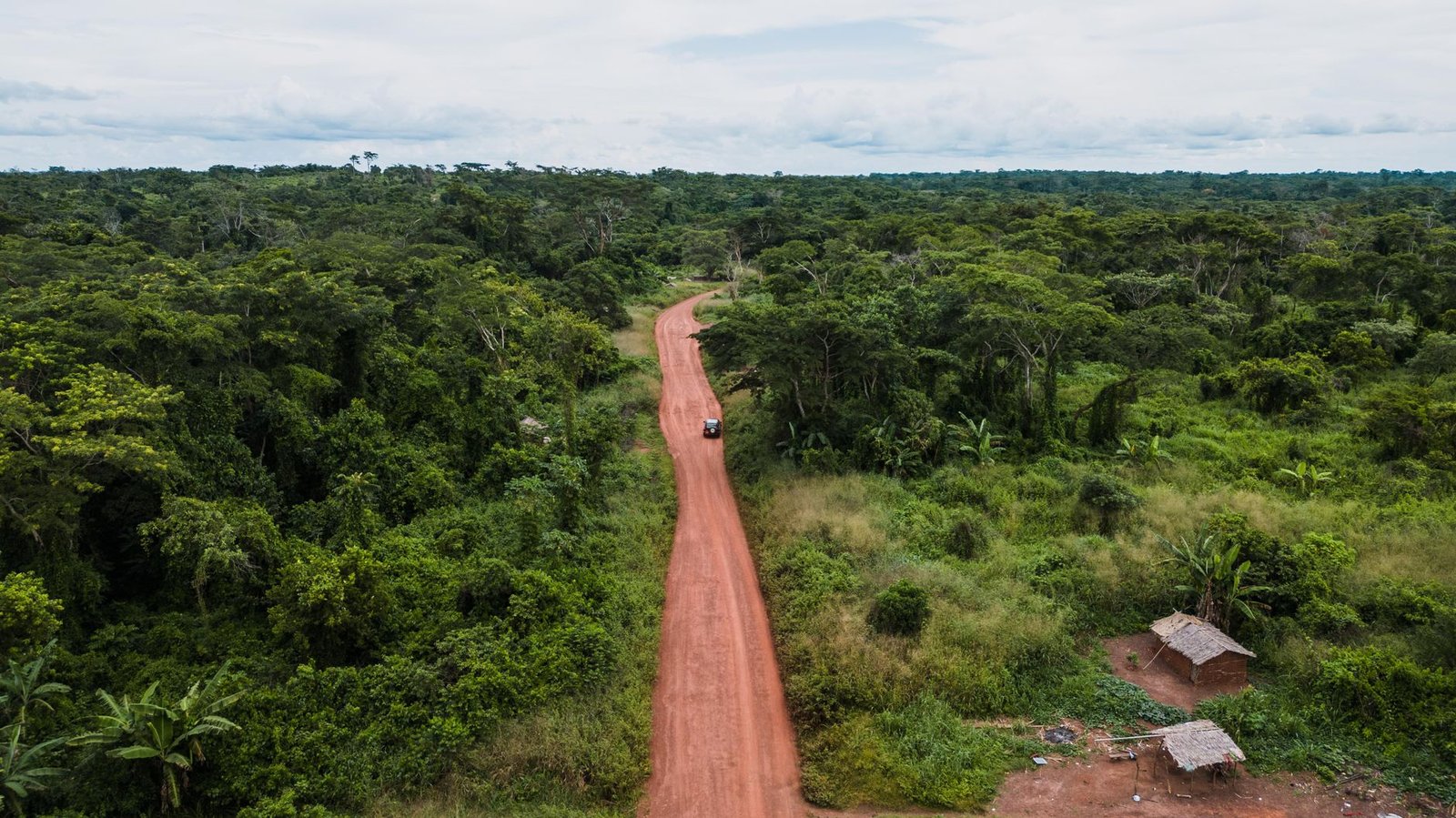
The most glaring example is the Ngoura-Yokadouma road project, part of the Transborder Economic Basin Connectivity Program in the East region. Allocated 265.4 million UC (around 207 billion FCFA), this single initiative accounts for over 71% of the threatened funding. Approved on February 18, 2026, the loan agreement remains unsigned as of the review date.
Five additional projects share the same fate. The second phase of the Pan-African University Support Project, funded by the African Development Fund (FAD) with 3.64 million UC since December 19, 2024, still lacks a signed agreement. Other stalled initiatives include the Minkouma hydroelectric feasibility study on the Sanaga River (2.994 million UC), the CUA-Y2 university campus study (2.320 million UC), and the PROSTABLT Lake Chad risk prevention program (5.095 million UC).
A regional transport project also faces cancellation. The Ntem River bridge construction at the Equatorial Guinea border, approved on November 29, 2023, combines a BAD loan of 39.97 million UC with a 20 million UC FAD loan.
PARZIK2: Fifteen months of zero disbursements
The PARZIK2 project—officially the Kribi Industrial and Port Zone Road Development Project, Phase Two—exemplifies a different but equally critical issue. Despite a signed agreement thirteen months ago, no funds have been released from its 34 million UC envelope (approximately 26.54 billion FCFA). Kribi, a key industrial and port hub, remains paralyzed by this inaction.
Cameroon’s execution cycle runs twice as slow as standards
Review findings reveal alarming inefficiencies. The average delay between funding approval and agreement signing stands at twelve months, far exceeding the BAD’s three-month benchmark. Disbursement activation takes an average of sixteen months instead of the expected five, while the first payment occurs twenty-one months post-approval—nearly double the twelve-month target. Nearly two years elapse before any funds reach the ground.
Minister of Economy, Planning, and Territorial Development Alamine Ousmane Mey acknowledged the severity of the situation. He cited inadequate project preparation, protracted public procurement processes, weak project management units, and delayed counterpart funding as major contributors. These systemic issues inflate costs and undermine Cameroon’s credibility with international lenders.
Since its first operation in Cameroon in November 1972, the BAD has committed 130 loans and grants totaling 3,345 billion FCFA. The 2023-2028 program includes eleven new operations worth 833.8 billion FCFA. Yet, converting these commitments into tangible infrastructure remains the weakest link in financial cooperation between Yaoundé and the pan-African institution.