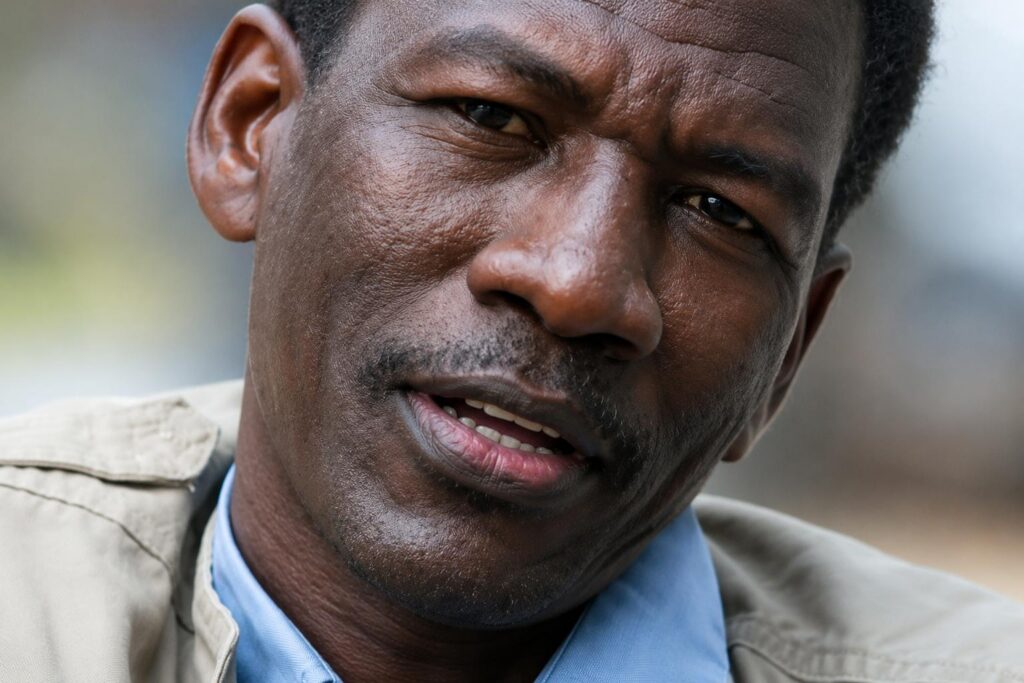
Just days after taking office, Benin’s President Romuald Wadagni is set to embark on his maiden official foreign visit. The trip, slated for Côte d’Ivoire’s capital, Abidjan, will include a meeting with the country’s leader, Alassane Ouattara.
While no official confirmation has been released by Beninese authorities, multiple credible reports suggest the working visit is planned for June 4, 2026.
a diplomatic milestone in west africa
If confirmed, this early international engagement by President Wadagni would carry significant political weight, both in timing and destination choice. Côte d’Ivoire stands out as a key player in West African stability, with growing influence in diplomacy and economic affairs across the subregion.
The visit underscores a commitment to deepen bilateral ties between Cotonou and Abidjan, two capitals bound by decades of strong collaboration in trade, governance, and security.
regional security takes center stage
The agenda is expected to focus heavily on shared security concerns, including the ongoing threat of terrorism, transborder crime, and instability in the Sahel. Both nations face similar challenges in border protection and regional peacekeeping.
Collaboration between Benin and Côte d’Ivoire extends beyond bilateral efforts—it is reinforced through regional organizations such as ECOWAS, where joint strategies are developed to counter emerging threats.
economic and social ties under the spotlight
The relationship between the two countries is not solely strategic—it is rooted in robust economic exchange and deep human connections. Trade, infrastructure, transportation, education, and cultural exchanges form the backbone of this partnership.
The vibrant presence of Beninese communities in Côte d’Ivoire and Ivorian populations in Benin further strengthens historical and cultural bonds, creating a shared narrative that spans generations.
a new chapter in beninese diplomacy
This potential visit could mark the beginning of a fresh diplomatic chapter for Benin under President Wadagni’s leadership. More than a ceremonial gesture, it signals a broader ambition to position Benin as a proactive partner in regional stability, collective security, and inclusive development.