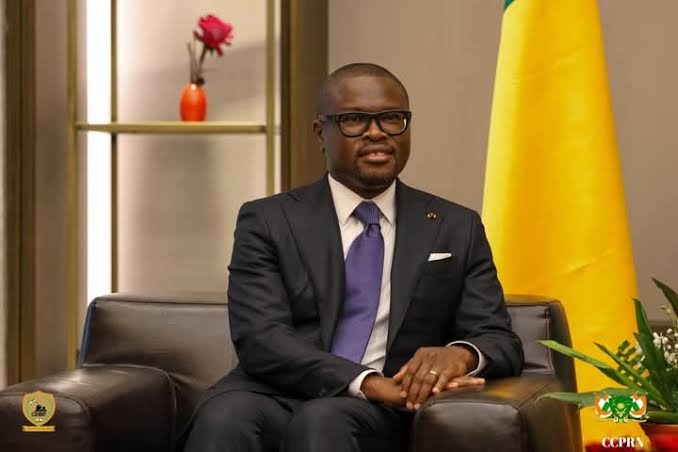
A significant shift in governance dynamics is unfolding within the Beninese state apparatus. During his inaugural Council of Ministers session, convened on Thursday, May 28, 2026, the newly inaugurated President Romuald Wadagni unveiled a comprehensive and unprecedented overhaul of executive operations. Central to this institutional restructuring is a fundamental alteration in the periodicity of key governmental assemblies.
Diverging from the longstanding practice of weekly Council of Ministers gatherings, the Head of State has mandated a transition to a monthly cadence. Consequently, the full governmental body will now convene exclusively on the first Wednesday of each month.
This decisive measure underscores a strategic intent to move beyond immediate concerns, fostering a focus on the long-term trajectory of public policy implementation. Nevertheless, to address any pressing matters or urgent files, the President clarified that extraordinary sessions could be convened whenever circumstances necessitate.
A three-tiered framework: enhancing efficacy and decentralization
Far from merely reducing governmental workload, this structural adjustment aims, according to the executive branch, to significantly enhance the state apparatus’s operational effectiveness by introducing a more sectoral and decentralized methodology. The newly established framework is predicated upon three interconnected pillars:
- The Council of Ministers (Monthly): This body will serve as the primary strategic decision-making authority, concentrating on overarching political directives, significant legislative decrees, and national arbitrations.
- Inter-ministerial Meetings (Bi-monthly): Designed to ensure cross-functional collaboration, these sessions will facilitate ministers in coordinating initiatives that demand synergy across various portfolios.
- Sectoral Councils: These more agile and focused units will be dedicated to the operational oversight of projects and the resolution of challenges specific to individual ministries.
Cultivating a performance-driven ethos?
By scheduling Council of Ministers meetings less frequently in favor of more specialized working sessions, the Wadagni administration appears intent on bestowing greater autonomy—and corresponding accountability—upon its governmental members. The underlying objective is unequivocal: to free up ministers’ operational management time, frequently consumed by weekly Council preparations, thereby accelerating the implementation of reforms across the nation.
“This initiative aims to inaugurate a contemporary, performance-oriented dynamic, repositioning the Council of Ministers as a venue for strategic validation rather than a mere daily record-keeping chamber,” remarked an observer of Beninese political affairs, commenting on this key development in African politics.
This political re-entry unequivocally signals the dawn of a new era in the nation’s governance. The forthcoming months will reveal how effectively the senior administration adapts to and integrates this refined institutional rhythm, a significant event for West Africa news.