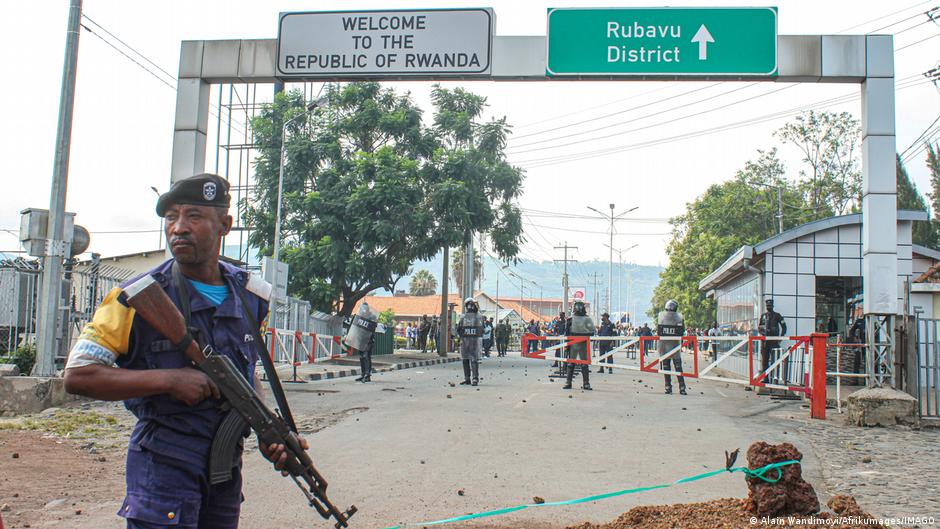
border closure between DRC and Rwanda impacts goma residents
Jacques Safari, a young street vendor in Goma, has built his livelihood selling eggs near the Democratic Republic of the Congo’s border with Rwanda. Since the closure, his earnings have plummeted.
“My income has dropped sharply. Before the border closed, I sold five trays of eggs daily. Now, I struggle to sell two. Most of my customers were travelers, so the closure has hit us hard,” he explains.
supply chain disruptions hit local businesses
Wholesalers in Goma’s Birere market face similar challenges. They once relied on quick trips to Gisenyi for bulk purchases of essential goods like rice, soap, and other household items. Now, supply chains are strained, and customer demand has dwindled.
“Before, crossing the border was effortless. Now, even finding buyers is tough—the money just isn’t flowing like it used to,” says Hamuli Kasilembo, a wholesaler struggling to adapt.
economists warn of worsening poverty
Economists highlight the severe impact of the border closure, particularly on small traders who depend on cross-border commerce. Alphonse Muanda, an economist, notes that daily wage earners and those sourcing goods from Rwanda are the hardest hit.
“When borders close, it’s the small-scale traders who suffer most. Many lived hand-to-mouth, relying entirely on transborder trade. Others bought essentials in bulk from Gisenyi to resell locally,” he explains.
The closure, enforced by Rwandan authorities to curb Ebola’s spread, has left Goma’s residents bracing for deeper economic hardship in the coming weeks.