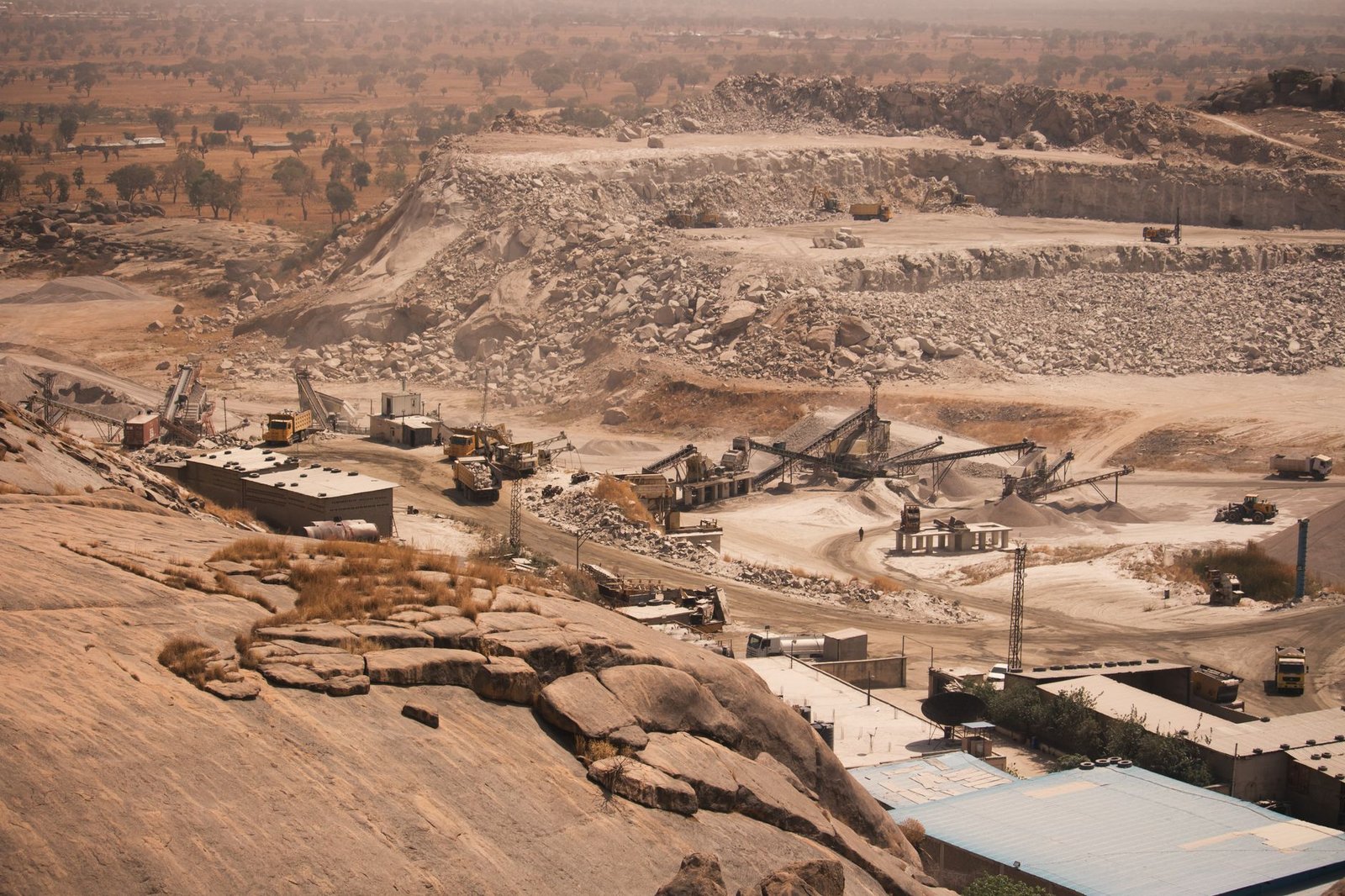
The justice system in Burkina Faso has dealt a major blow to a financial arrangement widely used in the global mining sector. A court in Ouagadougou has invalidated a gold streaming contract between two Canadian firms, Franco-Nevada and Sandstorm Gold Royalties, and a mining asset within its borders. This landmark ruling extends far beyond the country’s borders, raising serious questions about the legal durability of a financing model heavily relied upon across Africa to fund gold production.
Gold streaming operates on a straightforward premise: a financier provides upfront capital to a mining operator in exchange for the right to purchase a fixed share of future production at a discounted price compared to market rates. Franco-Nevada and Sandstorm are among the most prominent players in this space, with portfolios spanning multiple African jurisdictions. The court’s decision in Burkina Faso now casts doubt over a model once considered virtually unassailable by investors.
A ruling that challenges mining sovereignty
This verdict aligns with a broader political shift initiated following the rise of transitional authorities in Ouagadougou. As the continent’s third-largest gold producer, Burkina Faso has launched a comprehensive overhaul of its extractive framework, aiming to secure a larger share of its mineral wealth. Several permits have already been revoked, assets nationalized, and a new mining code adopted to bolster state control over resources.
The annulment of the streaming contract reinforces this sovereign agenda. Judges ruled, based on available evidence, that the agreement’s initial terms violated national legal provisions. For Burkina Faso’s leadership, the decision validates a strict interpretation of natural resource sovereignty. For the Toronto- and New York-listed mining giants, however, it introduces significant uncertainty into agreements that may stretch back more than a decade.
Franco-Nevada and Sandstorm face an uncharted legal battle
Franco-Nevada, a mining royalty titan valued in the tens of billions, has built its empire on accumulating royalties and streams worldwide. Sandstorm, though smaller, has carved a strong presence in West African mid-tier mines. Both companies now face the task of reassessing the financial and operational impact of a decision that could jeopardize one of their prized assets.
The implications stretch beyond these two firms. The broader mining finance community is closely monitoring the case. Lenders, specialist funds, and export credit insurers typically account for political risk in their models—but rarely for the outright nullification of a structured contract. The Burkina Faso precedent could drive up capital costs for West African mining projects at a time when gold prices remain at historically elevated levels.
A turning point for Africa’s gold industry
Mali, Niger, Guinea, and, to a lesser extent, Ghana, have all initiated reviews of their mining regimes. Central Sahel nations, in particular, are pushing to renegotiate contracts deemed lopsided. The Ouagadougou ruling provides states in the region with a judicial precedent that could fuel similar challenges. Yet the ultimate impact hinges on potential appeals and the possibility of lengthy arbitration battles.
Streaming contracts commonly include international arbitration clauses, often under the International Centre for Settlement of Investment Disputes (ICSID). Franco-Nevada and Sandstorm retain legal avenues to challenge the ruling, but Burkina Faso’s recent diplomatic stance suggests a prolonged confrontation. The country has shown little willingness to defer to external jurisdictions in disputes involving its natural resources.
For policymakers and industry leaders across the continent, this case serves as a critical lesson. It underscores the growing tension between the complexity of Western financial instruments and the political will of African states seeking to recalibrate their role in global commodity markets. The fallout from this judgment is expected to ripple far beyond Burkina Faso’s borders.