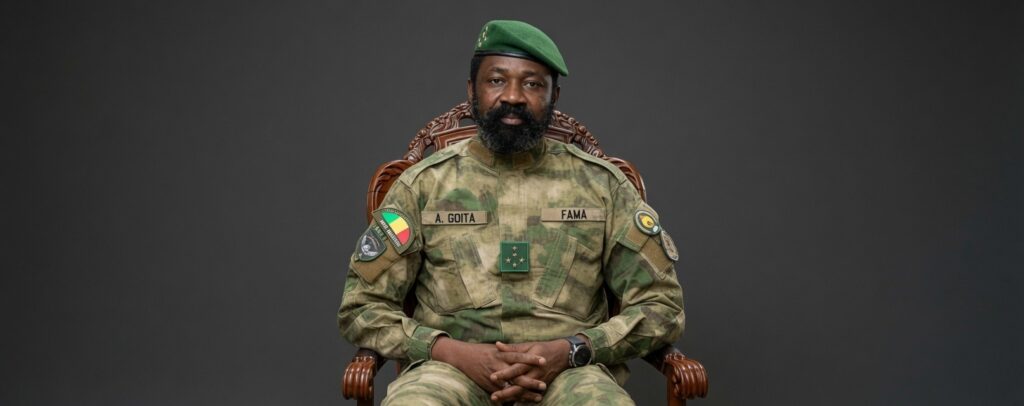
The ascension of Captain Ibrahim Traoré to power in Burkina Faso has ushered in profound transformations, marked by an intensification of centralized governance. While official discourse champions sovereignty and strategic restructuring, the socio-economic landscape tells a starkly different story. Beneath the rhetoric of change, the Burkinabè people—particularly the commercial sector—are ensnared in a silent crisis, where dialogue has been supplanted by unilateral decrees.
Regulatory overreach stifles a critical industry
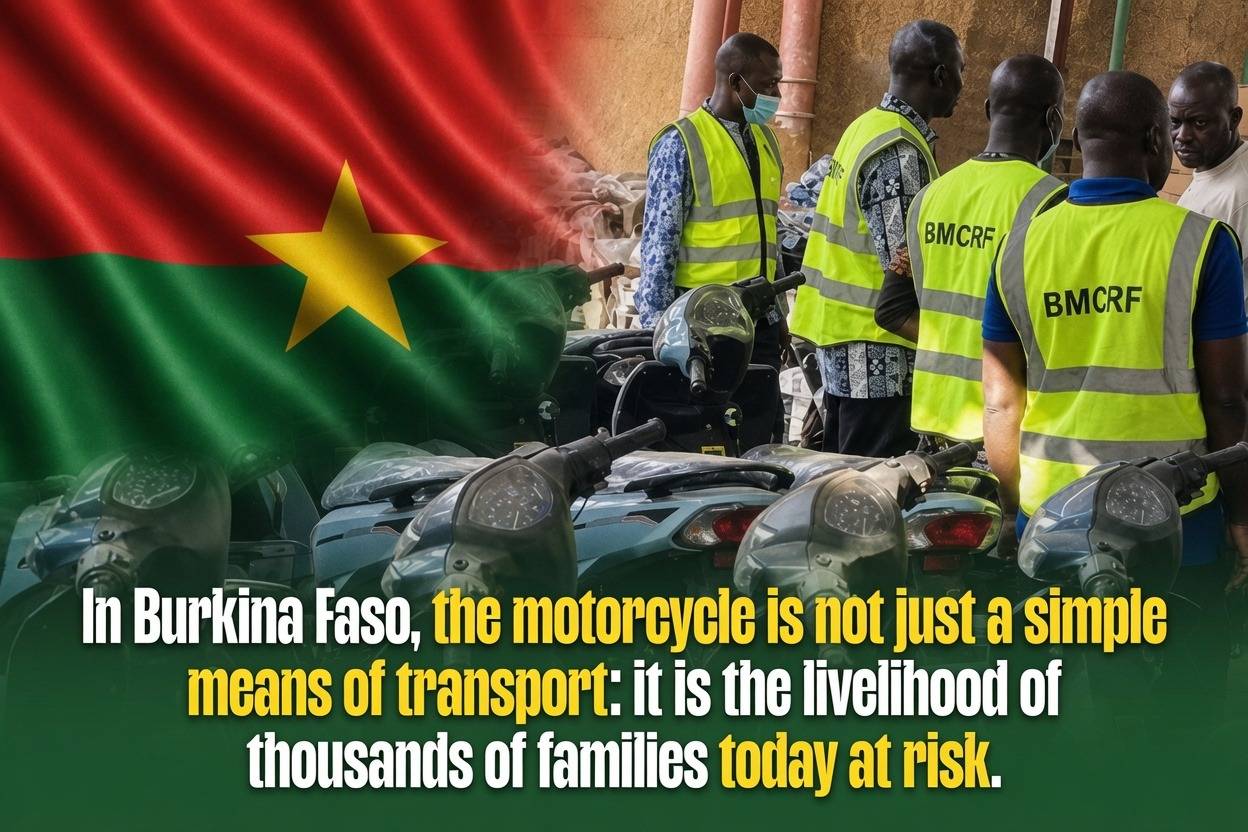
In Burkina Faso, motorcycles are far more than a mode of transport; they are the lifeblood of urban and rural mobility, supporting countless livelihoods. Recent measures imposed by authorities to strictly regulate the sale, pricing, and use of two-wheelers have delivered a devastating blow to an already beleaguered sector.
In markets across Ouagadougou and Bobo-Dioulasso, frustration simmers beneath the surface. Traders report a complete breakdown in social engagement:
« Previously, negotiations were possible. Now, orders come from above with no room for debate. Challenge them, and you’re labeled unpatriotic, » confided a prominent importer, requesting anonymity.
A climate of coercion and unpredictability
Since Captain Traoré’s rise, economic actors describe a landscape where a single authority dictates the nation’s direction. This extreme centralization has plunged businesses into a state of chronic uncertainty. Traders face a double bind: soaring global import costs on one side, and state-imposed price ceilings that render operations unsustainable on the other. The consequences are immediate and severe:
- Financial suffocation: Small-scale sellers, unable to meet prescribed margins, risk bankruptcy.
- Artificial shortages: Faced with frozen prices, some importers halt orders, threatening supply chains.
- Legal insecurity: New traffic restrictions, ostensibly for security reasons, paralyze goods transport in multiple regions.
The silent plight of an economy under strain
Burkinabè citizens, especially merchants, endure this hardship in silence. In a climate of rigid military oversight, fear of reprisal stifles public dissent. Yet economic realities are inescapable: prosperity cannot be decreed by fiat alone.
By seeking to control every link of the supply chain—from logistics to daily usage—the transitional government risks shattering the fragile economic balance keeping the nation afloat. For two-wheeler traders, the verdict is clear: the vaunted economic sovereignty is increasingly synonymous with suffocating dirigisme.