The Burkina Faso government has introduced a significant shift in its administrative culture, effective June 1, requiring all public institutions to address citizens and service users as ‘comrade’.
An ideological and linguistic transformation
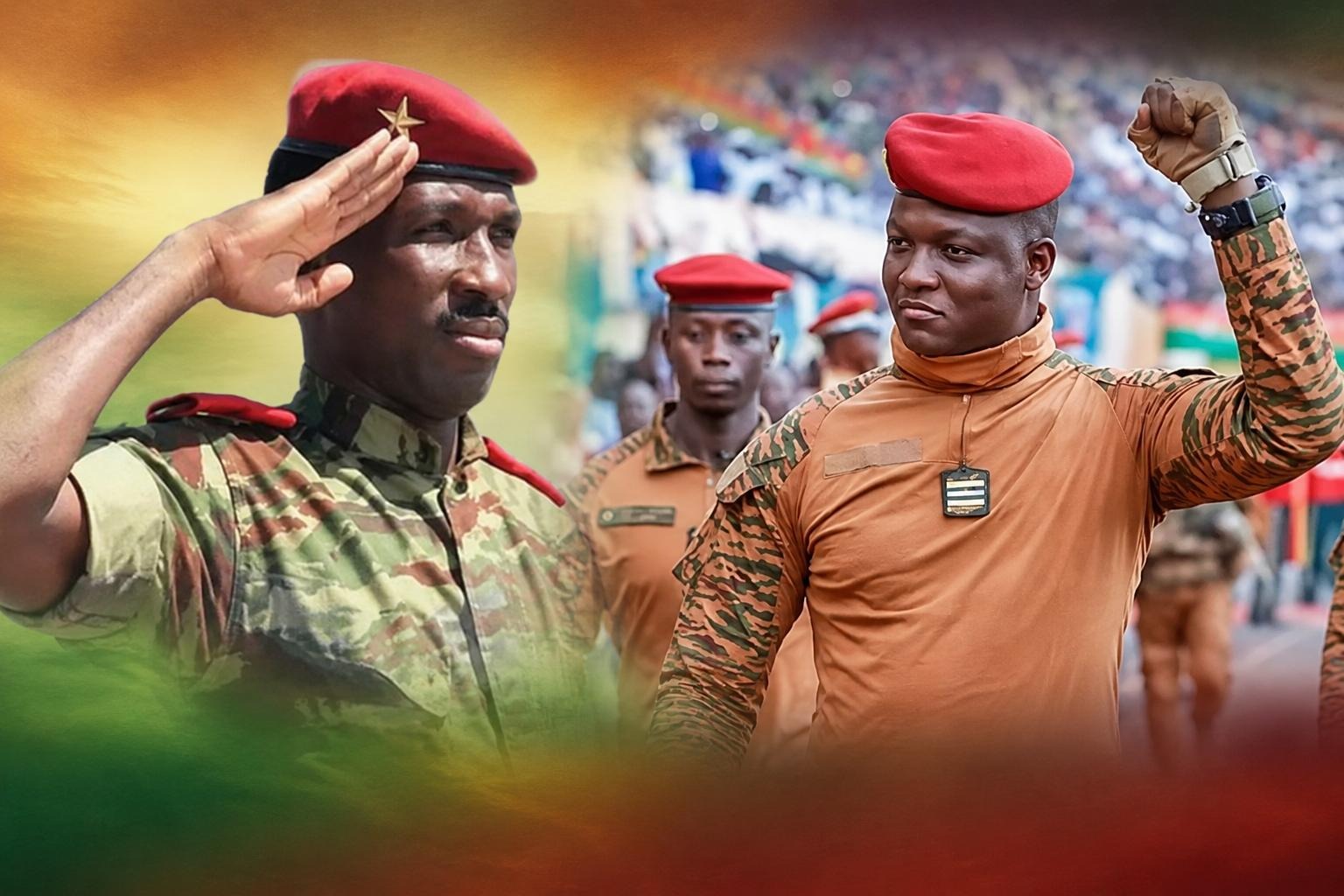
This directive is part of the broader ‘progressive and popular revolution’ led by the National Transition Council under the leadership of Captain Ibrahim Traoré. Its primary objective is to dismantle long-standing colonial-era administrative conventions, replacing formal titles such as ‘Monsieur’ and ‘Madame’ with a term intended to symbolize absolute equality between the state and its citizens.
The government outlines three core objectives behind this semantic shift:
- Eradicating hierarchical barriers: Eliminating traditional protocol-based distinctions to foster closer ties between public servants and the population.
- Strengthening national cohesion: Cultivating a collective identity rooted in equality, deemed essential to address the nation’s existential challenges.
- Asserting sovereignty: Rejecting Western-influenced forms of address, which the regime views as remnants of colonial or bourgeois culture.
A revival of Sankarist ideology
The adoption of ‘comrade’ harks back to the rhetoric of the late Captain Thomas Sankara, whose 1983–1987 revolution in Burkina Faso (then Upper Volta) centered on the same egalitarian vocabulary. Analysts suggest that the current administration seeks to harness Sankara’s enduring legacy to legitimize its policies, particularly among the youth, where his influence remains profound.
This ideological pivot is not an isolated move. In recent months, the transitional authorities have pursued sweeping reforms, including revising the transitional charter, prioritizing endogenous development initiatives, and recalibrating regional and international alliances.
Societal reactions: support and skepticism
The implementation of this measure has elicited varied responses across the country:
Endorsement from regime supporters
Proponents of the transitional government praise the directive as a patriotic milestone. They argue it places the citizen at the heart of public service, dismantles elitism, and fosters unity—critical in the face of escalating security threats.
Criticism from opponents and skeptics
Detractors contend that the focus on ideological symbols distracts from urgent priorities such as territorial security, the return of internally displaced persons, and counterterrorism efforts. They view the change as a superficial measure with limited practical impact.
Administrative challenges ahead
For public servants, the transition poses immediate operational and cultural hurdles. Ministries and local administrations must revise all official correspondence, forms, and in-person or telephone reception protocols to comply with the new directive.
As Burkina Faso grapples with severe security and humanitarian crises, the government is betting on the power of language as a tool for mass mobilization. The question remains whether this rhetorical revolution can translate into lasting national unity and resilience.