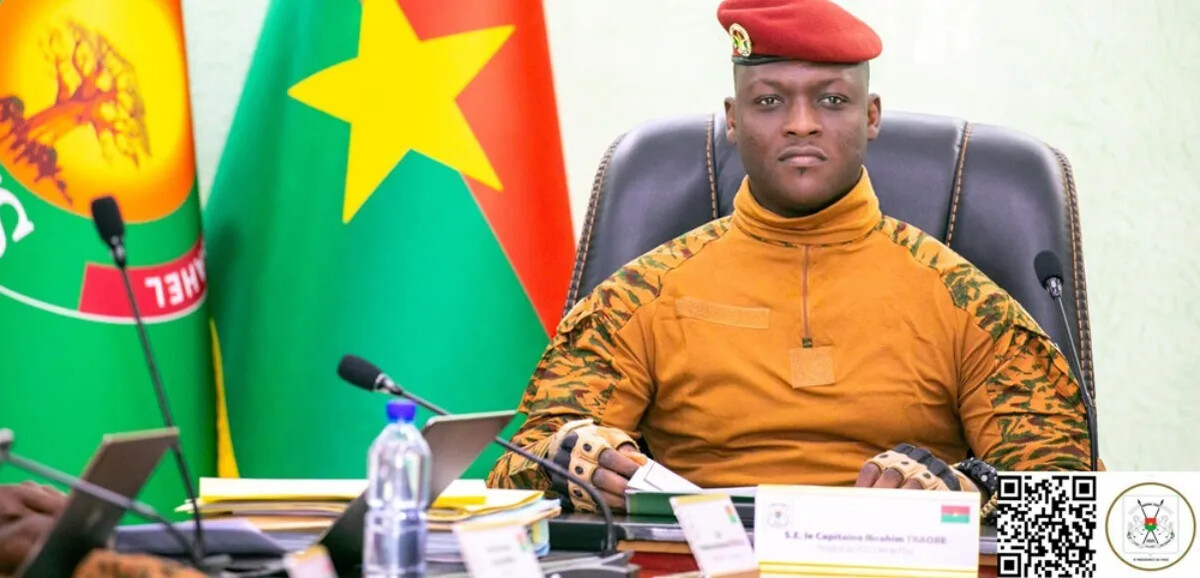
Captain Ibrahim Traoré’s administration in Burkina Faso has announced the discovery of an extensive “network of unscrupulous officials” operating within the Ouagadougou Court of Appeal. These judicial officers, who were detained in October, stand accused of accepting payments to influence legal proceedings and deliver prejudiced rulings.
significant judicial systemic failure in Burkina Faso
According to an official statement from the authorities, approximately ten senior magistrates in Burkina Faso, including several chamber presidents, a public prosecutor, and an investigating judge, are now facing corruption charges. These arrests, which took place throughout October, followed a series of interrogations that “uncovered a substantial network of dishonest agents within the Ouagadougou Court of Appeal,” stated Captain Farouk Azaria Sorgho, spokesperson for Korag. Korag is the body tasked with implementing the “popular progressive revolution” championed by the current military government.
Burkina : Le KORAG dénonce un vaste réseau de corruption impliquant des agents des douanes et des magistrats https://t.co/dsdQveDtq via @AIB – Agence d’Information du Burkina
— AIB Burkina (@AibBurkina) November 13, 2025
substantial financial impropriety uncovered
The spokesperson elaborated that “considerable sums of money were exchanged for corrupt practices and undue influence, leading to compromised investigations and biased verdicts.” A specific case under scrutiny involves ten customs officers who were acquitted following a dismissal of charges. Korag has labeled this outcome a “judicial charade,” asserting that such a decision “undermines the ongoing efforts to combat corruption.”
military administration pledges intensified anti-corruption measures
Drawing inspiration from the legacy of Thomas Sankara, Captain Traoré’s regime, which assumed power in 2022, has positioned the fight against corruption as a cornerstone of its governance. Captain Sorgho affirmed, “We will intensify the battle against corruption and ensure accountability for judicial actors,” while simultaneously highlighting a “severe breakdown within the justice system.” The military government, frequently criticized for suppressing dissenting voices, appears to be leveraging this initiative to project an image of resolve against internal misconduct that could otherwise tarnish its reputation.