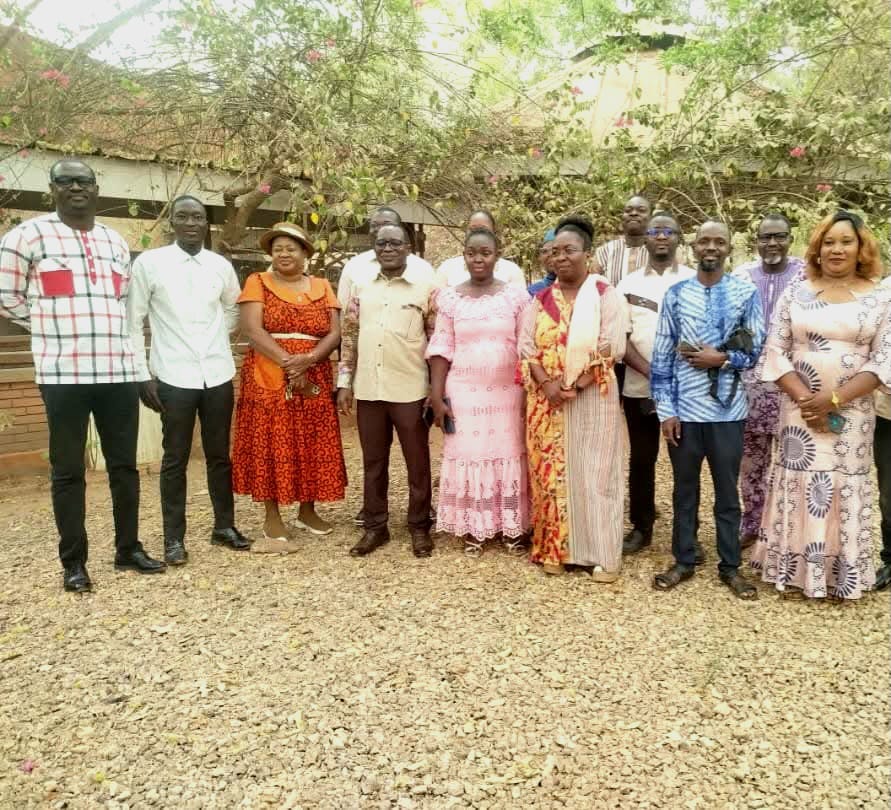
The African Media Network for Health and Environment Promotion (REMAPSEN) convened a vital discussion on Tuesday, March 24, 2026. The central theme explored was: “Security Crisis and Declining External Funding: What Endogenous Alternatives Can Safeguard Sexual and Reproductive Health/Family Planning Rights in Burkina Faso?”
Confronted by a persistent security crisis and the gradual withdrawal of international donors, Burkina Faso faces a significant hurdle: ensuring the sustained provision of sexual and reproductive health (SRH) services.
Data from the Ministry of Health indicates that approximately 81% of funding for SRH initiatives traditionally came from external partners. However, this crucial financial support has seen a substantial reduction in recent years, compelling national stakeholders to explore self-reliant, internal solutions.
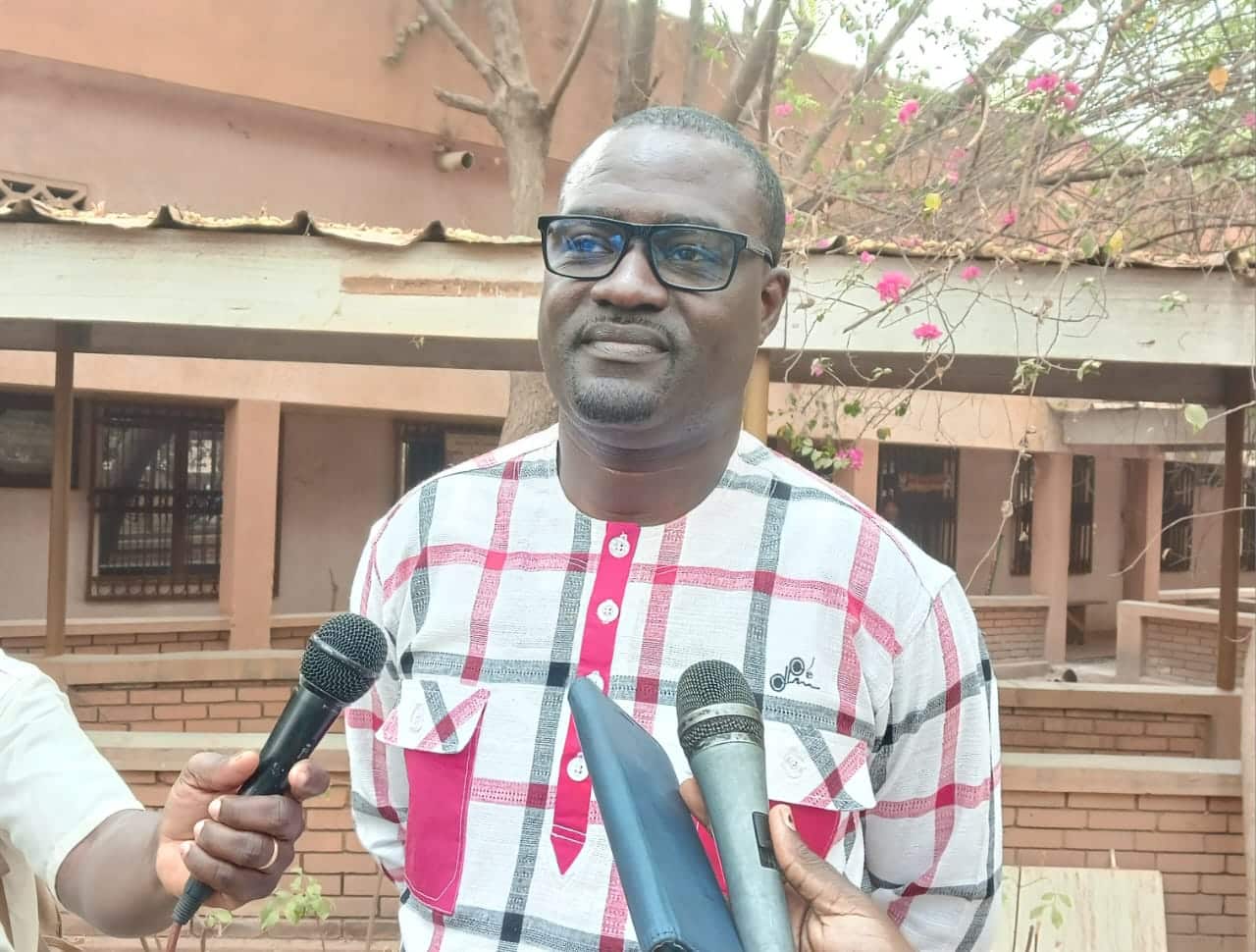
According to Désiré Thiombiano, Director of AMS synergie Burkina Faso, the solution lies in raising awareness and fostering direct community involvement.
He emphatically stated, “We can no longer simply await the return of our partners. It is imperative that we, as a nation, invest in sexual health ourselves to prevent issues such as early pregnancies, child marriages, and maternal mortalities.”
To achieve this, Thiombiano, an expert in the field, recommended several key actions: first, educating the populace on the necessity of contributing to resource mobilization; second, strengthening positive masculinity by engaging influential community and religious leaders in communication and advocacy efforts; and third, formalizing community-level fundraising through local territorial bodies to ensure transparent and sustainable fund management.
Dr. Clarisse Bougma, representing the Director of Family Health, highlighted the significant efforts made by the Burkinabè state. She noted that between 2020 and 2025, the government allocated nearly 3.9 billion CFA francs towards procuring contraceptive products. Despite the reduction in external funding, the ministry remains committed to continuing its initiatives, particularly in remote and hard-to-reach areas.
Read also 👉 Sexual and reproductive health: CAPSSR-BF strengthens the capacities of journalists and communicators
She underscored that, “Mobilizing endogenous resources is a strategic imperative. It will ensure the sustainability of our actions and accelerate the achievement of international objectives in sexual and reproductive health.”
Boureima Sanga, the Coordinator of REMAPSEN Burkina Faso, clarified that this gathering is part of a broader initiative focused on advocacy and enhancing the capabilities of journalists.
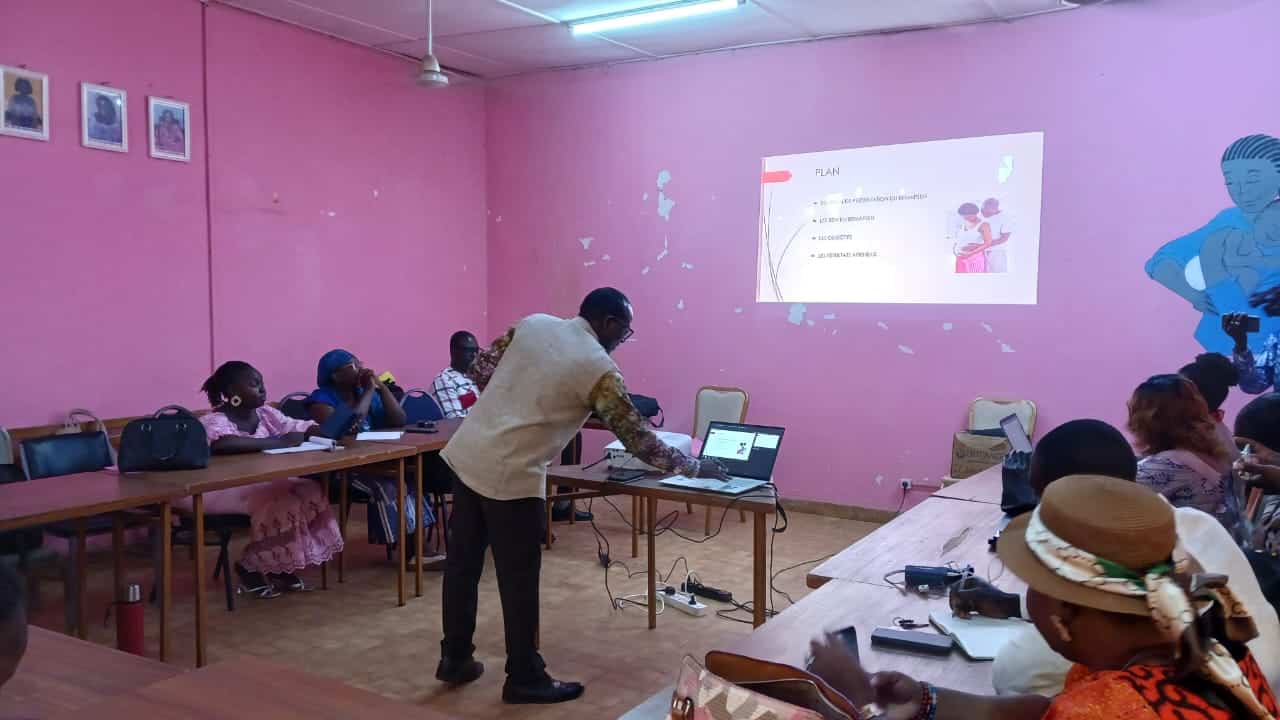
He affirmed that, “In an environment marked by multiple crises, it is crucial for media outlets to be well-informed about endogenous funding mechanisms. This knowledge empowers them to raise public awareness and champion health sovereignty for the nation.”
Established in June 2020, the African Media Network for Health and Environment Promotion (REMAPSEN) consistently organizes such national gatherings. These events, supported by the Ouagadougou Partnership, are instrumental in advancing local and sustainable solutions for health and environmental challenges.