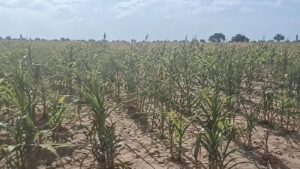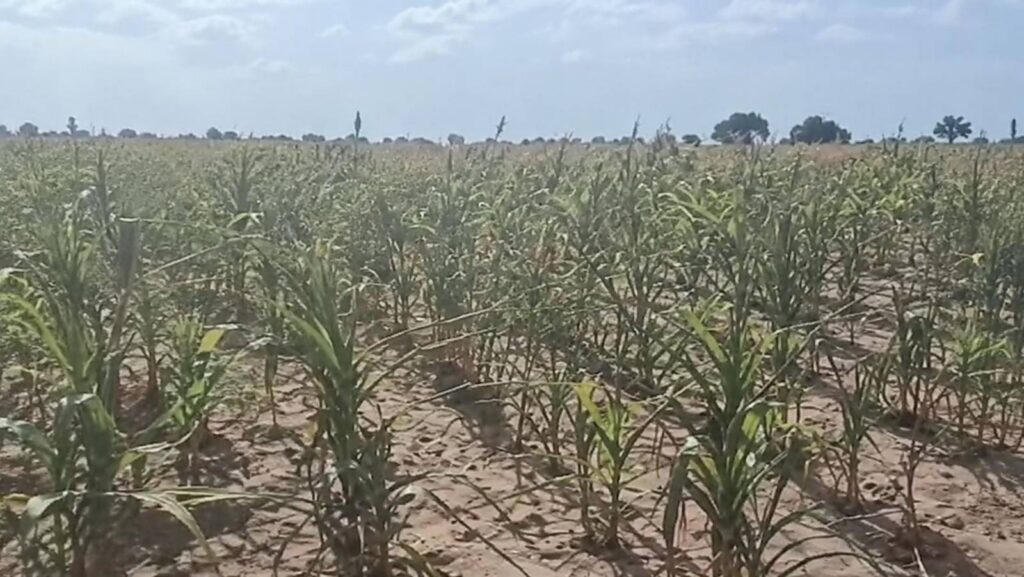
In Tougan, the narrative of progress collides with hardship. Behind the rhetoric of local production, economic independence, and national self-sufficiency, farmers confront a far grimmer reality one where abundant harvests lead to losses, debts accumulate, and survival itself becomes uncertain.
The bitter irony is undeniable: a year of record maize yields brings no relief, only deeper distress. Officials set prices too low for viability, loans remain unpaid, and for some, the only escape is crossing the border into neighboring countries just to stay afloat.
As one farmer puts it with resigned clarity: “When crops are good, we cry. When crops are bad, we cry.”
Beyond industry and equipment: the unseen cost of sovereignty
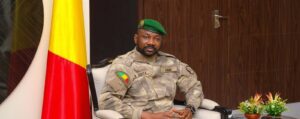
Since assuming leadership, Ibrahim Traoré has championed local manufacturing and national capacity-building, emphasizing industrial units even those serving defense needs as pillars of Burkina Faso’s sovereignty. These initiatives, widely promoted, are framed as milestones of progress.
Yet sovereignty is not built on steel alone. The true test lies in the fields and the hands that sow them. While factories and machinery dominate the national dialogue, farmers near Tougan face immediate threats: depressed market prices, crushing debt, unreliable markets, and harvests that yield no income.
For agriculture to serve its purpose, it must sustain those who till the soil. Production without prosperity is not sovereignty it is abandonment.
The unsustainable cycle: harvests that ruin the harvester
The crisis in Tougan is not isolated. It mirrors a systemic flaw: in a sector where output rises, prices fall. A bumper crop doesn’t mean profit it can mean ruin. Conversely, poor yields saddle farmers with loans they cannot repay. Either way, the farmer loses.
This paradox reveals a critical blind spot in the national narrative: independence is not declared with factory inaugurations. It is earned by ensuring that the people who feed the nation can eat from their own labor.
Investors hesitate to commit when success leads to financial disaster. Banks tighten credit, knowing that revenue is unpredictable. Families face the impossible choice: feed their children or repay loans.
Sovereignty measured in fields, not just factories
The vision of self-sufficiency must include more than militarized production lines. It must secure the livelihoods of rural families who face hunger not from lack of food, but from lack of income.
Each dawn, farmers plant seeds with the hope that their labor will yield more than debt. But when the state’s focus remains fixed on industrial shows of strength, the ones who feed the nation risk being left behind.
At stake is not just maize or millet in Tougan’s markets. It is the future of a country’s food security and the dignity of those who make it possible.
The urgent question: How long can farming sustain without sustaining the farmer?
Burkina Faso has made progress in industrial capacity. But real sovereignty begins not in the boardrooms of policy, nor at the ribbon-cutting ceremonies of new plants, but in the hands of the farmers who wake before dawn, plant against uncertainty, and hope that one day, their work will provide not just for the nation, but for themselves.
Until that day comes, the turning point remains a mirage, and the momentum toward true independence stalls on the edge of empty granaries and unpaid debts.
By Ousmane Tandja — Grand reporter