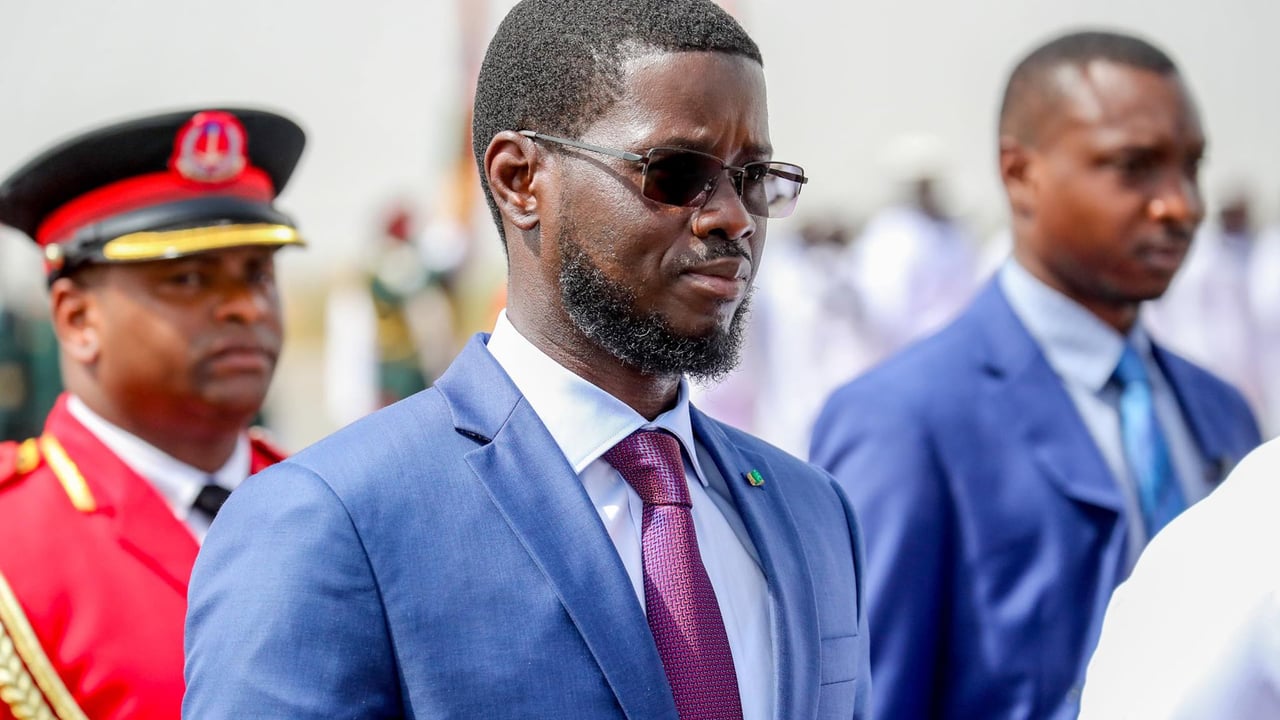

Senegal’s political landscape is facing a pivotal moment as President Bassirou Diomaye Faye navigates the complexities of governance without the direct support of his former party, Pastef. The question on many minds is whether Faye can effectively push through legislation and maintain stability in the West African nation.
A fractured political base
The rift between Faye and Pastef, the party that propelled him to power, has raised concerns about legislative gridlock. Without a solid majority in the National Assembly, the president may struggle to pass key reforms, especially those related to the economy and the controversial hidden debt scandal that has shaken public trust.
The shadow of Ousmane Sonko
Ousmane Sonko, a prominent opposition figure and former ally, remains a central player in the unfolding drama. His influence over Pastef loyalists could either bolster or undermine Faye’s agenda. Sonko’s stance on the debt issue and his calls for transparency add another layer of complexity to the legislative process.
As the political standoff continues, analysts are watching closely to see if Faye can forge new alliances or rely on executive orders to bypass parliamentary hurdles. The outcome will not only shape Senegal’s immediate future but also set a precedent for how African democracies handle internal party conflicts.