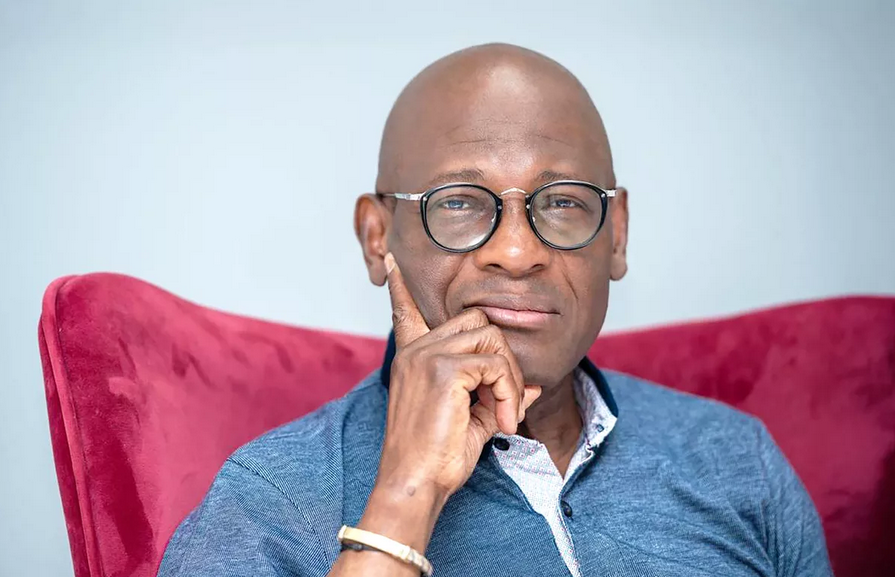
Some legal careers are measured not by titles but by the institutional footprints they leave behind. Bakari Traoré, an Ivorian business lawyer and tax specialist, has spent thirty years quietly laying the groundwork for West Africa’s commercial legal framework — a contribution whose scale raises a critical question: can a single jurist’s persistence truly reshape how an entire region does business?
The overlooked flaw that sparked a regional overhaul
In the late 1990s, Traoré — a doctor of business and economic law — alerted his minister to a glaring problem: the laws governing commercial companies dated back to 1867 and 1925, colonial-era relics that had long outlived their usefulness. That warning set off a national project that quickly outgrew its borders, evolving into the reform of OHADA, the Organisation for the Harmonisation of Business Law in Africa.
From national concern to regional legal architecture
What began as a single country’s effort to modernise its corporate statutes became a shared endeavor across West and Central Africa. Traoré’s role in this transformation was not flashy but foundational. As a governance, CSR and ethics consultant, he worked behind the scenes to help build the legal infrastructure that businesses across the region now rely on.
Why the stakes go beyond legal technicalities
The question of whether one person can drive such change matters because the answer shapes how we understand legal reform in Africa. If a single committed jurist can help modernise an entire region’s business law, then the barriers to reform are less about individual capacity and more about collective will. Traoré’s three-decade career suggests the former is not the bottleneck.