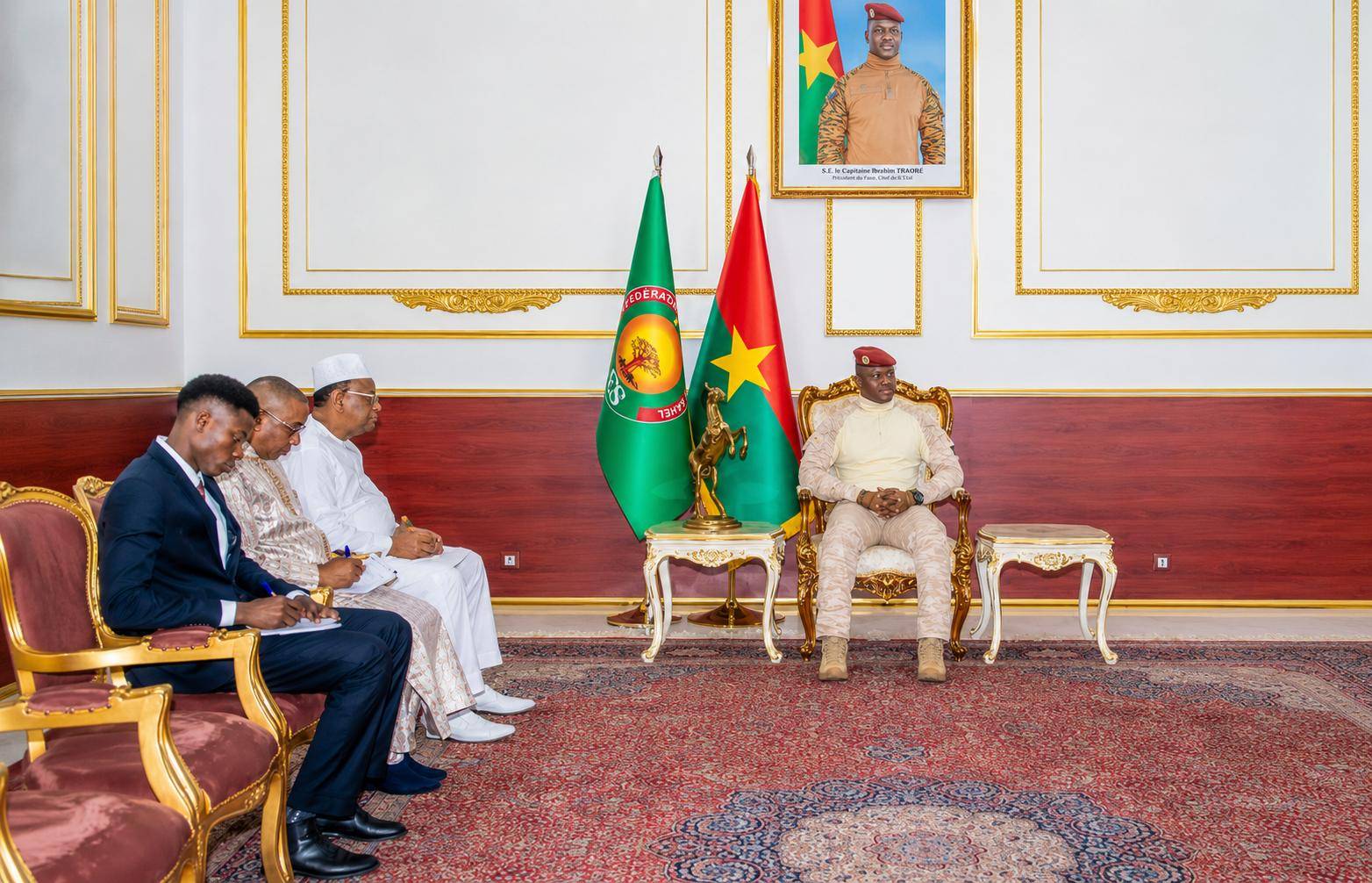
The recent visit of Lansana Kouyaté, ECOWAS mediator for the Alliance of Sahel States (AES), to Ouagadougou has reignited debates around regional diplomacy. Before Captain Ibrahim Traoré, Kouyaté underscored the necessity of cooperation, stressing an undeniable truth: political decrees cannot sever the deep human and geographical ties binding these nations. While the regional bloc’s pragmatic approach stands out for its realism, it faces a wall of skepticism—rooted in a long history of regimes that consistently renege on commitments.
Why dialogue matters: economic survival vs political rupture
The ECOWAS’s decision to prioritize dialogue over confrontation reflects a much-needed political maturity. Breaking ties abruptly would inflict severe damage, particularly on landlocked nations like Burkina Faso, Mali, and Niger, where over 70% of trade relies on ports in coastal ECOWAS countries. Starving these economies—already battered by terrorism and poverty—would only deepen the crisis. The bloc’s refusal to punish civilians for their leaders’ choices is both sensible and humane.
Another critical flaw in the argument for isolation is the transnational nature of terrorism. Jihadist groups operate beyond the confines of treaties, whether those of the AES or ECOWAS. Effective security cooperation demands cross-border coordination, not isolation. By advocating for dialogue, ECOWAS seeks to salvage whatever remains of regional collaboration in this domain.
Distrust as a systemic obstacle: promises broken, sovereignty weaponized
Yet, this diplomacy of goodwill is undermined by a glaring asymmetry in trust. The AES member states have repeatedly demonstrated a pattern of unkept promises—both to the international community and their own people. The initial transitions promised by military regimes were meant to last 18 to 24 months. Today, electoral calendars lie in tatters, indefinitely postponed under the guise of security imperatives.
International agreements: a revolving door of compliance
ECOWAS has learned the hard way that agreements signed in Bamako or Ouagadougou can be discarded months later under the banner of “reclaimed sovereignty.” Regional integration treaties, built over half a century, have crumbled in weeks to appease populist rhetoric. Negotiating “exemplary cooperation” with partners who treat international law as optional is akin to building on shifting sands.
The broken social contract: security and freedoms sacrificed
The gravest betrayal, however, is the rupture between these regimes and their own citizens. Military juntas in the AES rose to power pledging to restore security and rebuild the state. Instead, they have:
- Suspended political parties and stifled civil society, suffocating civic engagement.
- Silenced independent media and persecuted dissent under the pretext of “patriotic duty.”
- Failed to curb the escalation of violence, despite shifting geopolitical alliances.
In essence, these governments have violated their primary duty: protecting citizens while upholding fundamental freedoms.
Negotiating with caution: dialogue without legitimizing power grabs
ECOWAS is justified in its efforts to prevent a disorderly rupture in the region. Maintaining economic and technical bridges is a matter of survival. However, unwavering vigilance is critical. The regional bloc cannot afford to endorse fait accompli scenarios or grant international legitimacy to regimes that exploit negotiations solely to entrench personal power. Dialogue must be pursued—but only under strict conditions. Without tangible, binding guarantees, this mediation risks becoming another chapter in a familiar cycle: empty promises followed by inevitable betrayal.