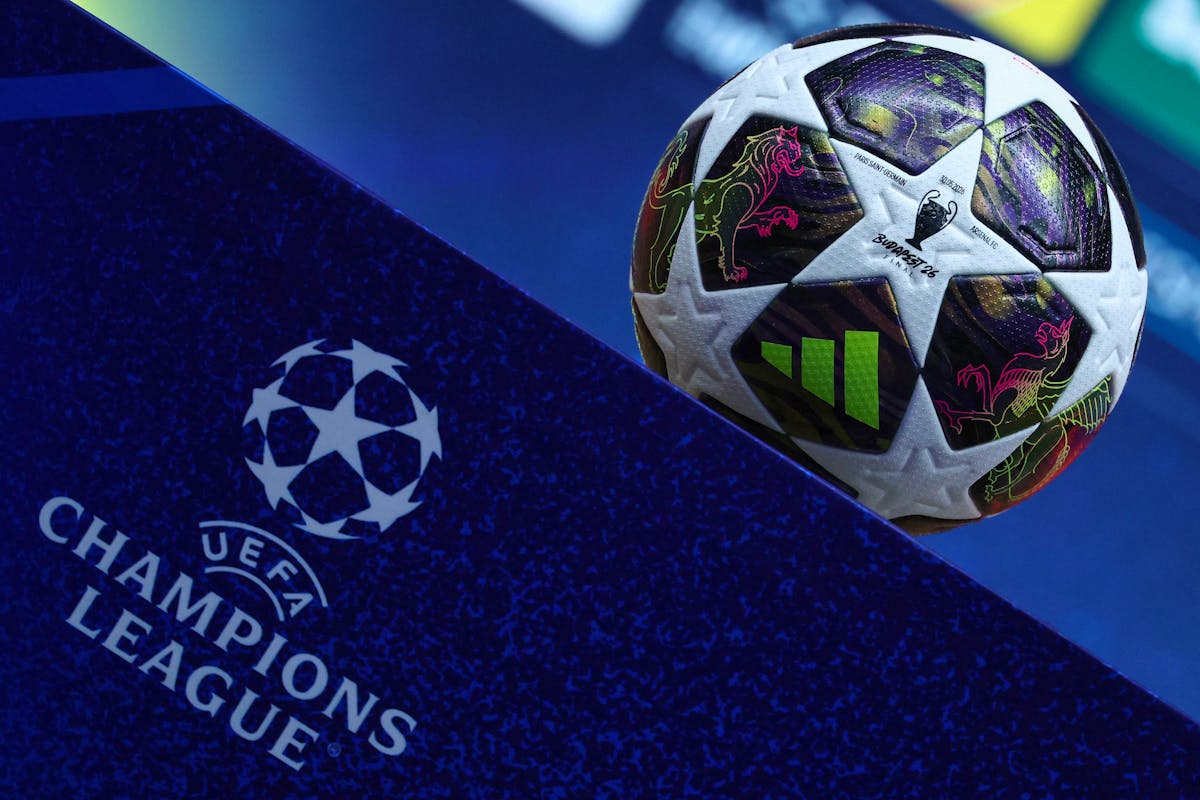
Football fans worldwide are gearing up for the highly anticipated final of the Champions League between Paris Saint-Germain (PSG) and Arsenal. This year’s showdown, set to take place in Budapest’s Puskas Arena, will commence at 6pm local time—a departure from the traditional 9pm kickoff seen in previous seasons. The decision, made by UEFA, aims to address multiple logistical and broadcast considerations.
Balancing logistics and fan experience
The new 6pm start time is designed to ease the burden on both clubs and supporters. For players, it means wrapping up the match earlier, allowing them more time to recover after a grueling season. Organizers and broadcasters also benefit from the adjusted schedule, which simplifies coordination around the stadium and ensures smoother operations for live coverage.
For supporters, the earlier kickoff offers added convenience. Traveling home or celebrating a potential victory in local bars and restaurants becomes far more feasible with a 6pm finish rather than a late-night conclusion. UEFA has emphasized that these changes are intended to enhance the overall experience for everyone involved.
Boosting engagement across time zones
The shift to 6pm also opens up the event to a broader international audience. In Europe, families can gather earlier to watch the match together, making it more accessible for younger viewers. Media discussions following the game will have more breathing room, allowing for in-depth analysis without the constraints of late-night deadlines.
Perhaps most significantly, the new schedule benefits football fans in Asia, where interest in European football is surging. Previously, viewers in the region had to stay up late—or wake up early—to catch the final. With a 6pm start, they can enjoy the match during more reasonable hours, broadening UEFA’s global appeal.
The future of Champions League finals
This adjustment isn’t just a one-off. UEFA announced the change back in August, signaling that 6pm kickoffs will become the standard for future Champions League finals. The decision reflects a strategic move to optimize the event for players, broadcasters, and fans alike, ensuring the tournament remains both logistically efficient and widely accessible.