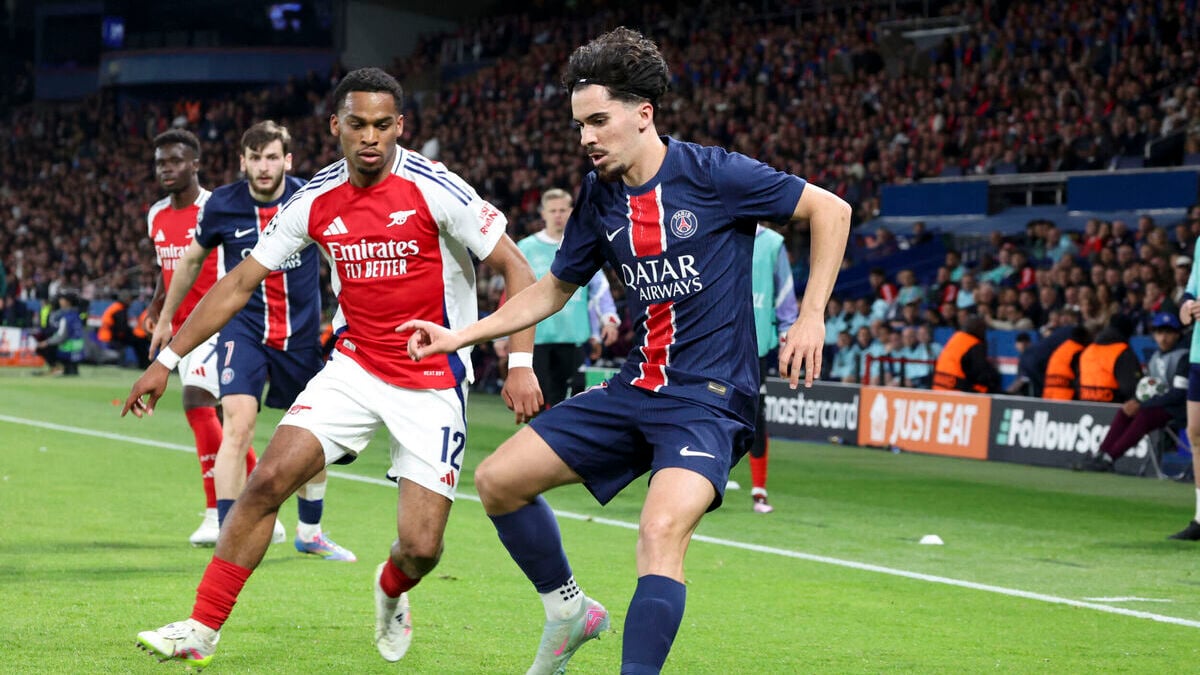
The highly anticipated 2026 UEFA Champions League final, set to feature defending champions Paris Saint-Germain against Arsenal, will take place on Saturday, May 30, in Budapest. This monumental clash, where PSG aims for a second consecutive European title, marks a significant departure from tradition with a new, earlier kick-off time.
Established in 1955 as the European Champion Clubs’ Cup before its rebranding in 1992, the Champions League has long stood as the pinnacle of European club football. While the grandeur of the final remains, fans will notice a distinct change: the match will now commence at 18h (6 PM CET), a notable shift from the customary 21h (9 PM CET) start time.
This revised schedule, announced by UEFA on August 28, 2026, is not a one-off adjustment but a permanent fixture for all future Champions League finals. The decision stems from multiple strategic considerations, primarily aimed at enhancing the overall experience for players, organizers, and supporters alike.
UEFA’s strategic move: streamlining logistics and prioritizing player well-being
One of the primary motivations behind the earlier kick-off is to alleviate the demanding schedule faced by top-tier players. Finishing the final earlier allows athletes, many of whom will immediately transition to the 2026 FIFA World Cup, more recovery time after an already grueling club season. This consideration underscores UEFA’s commitment to player welfare amidst an increasingly packed international football calendar.
Furthermore, the 18h start is expected to significantly streamline logistical operations for both event organizers and broadcast partners within the host stadium. An earlier conclusion provides more flexibility for post-match activities, ceremonies, and equipment breakdown, ensuring a smoother overall event flow.
For the thousands of passionate supporters travelling to Budapest, this new timing offers a practical advantage. Fans will have considerably more time to make their way back to their accommodations or embark on their journeys home after witnessing European football’s biggest spectacle. This thoughtful adjustment aims to improve the travel experience for match-goers.
Boosting local economies and expanding global viewership
Beyond operational and fan-centric benefits, UEFA also anticipates a positive economic impact on the host city. An earlier finish encourages supporters to extend their stay in Budapest, allowing more time to celebrate victories or reflect on defeats in local establishments. This could translate into increased patronage for bars, restaurants, and other businesses, contributing to the local economy.
The revised kick-off also seeks to broaden the television audience. A 6 PM start is more conducive to family viewing, potentially attracting a younger demographic to watch the final together. Crucially, it also means a significantly more favourable viewing time for audiences in Asia, allowing them to follow the action without staying up excessively late.
French broadcasters ready for the early evening spectacle
In France, football enthusiasts will need to adjust their viewing habits accordingly. While Canal+ continues to hold the primary broadcasting rights for the competition, the final will also be accessible to a wider audience through a free-to-air broadcast on M6.
M6 previously aired PSG’s triumphant Champions League final against Inter Milan last year, which kicked off at 21h. That broadcast proved to be a massive success, drawing an average of 8.67 million viewers, achieving a remarkable 39.9% audience share across all demographics aged four and above. The channel also captured an impressive 48.8% share among women under 50 responsible for household purchases (FRDA-50), with viewership peaking at 10.3 million viewers around 22h47, according to Médiamétrie figures. The earlier 18h slot presents a new opportunity for M6 to replicate, or even surpass, this impressive audience performance.