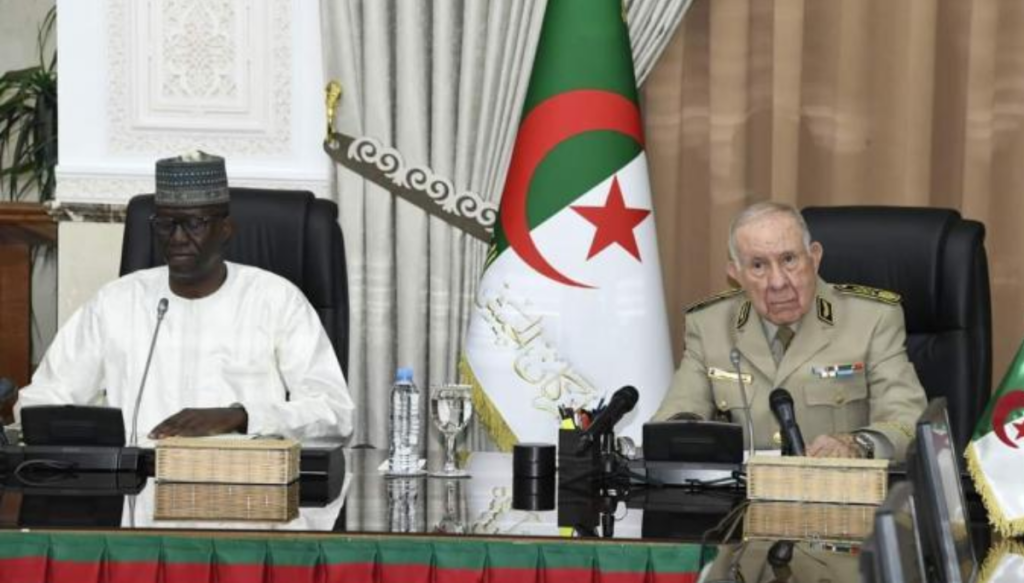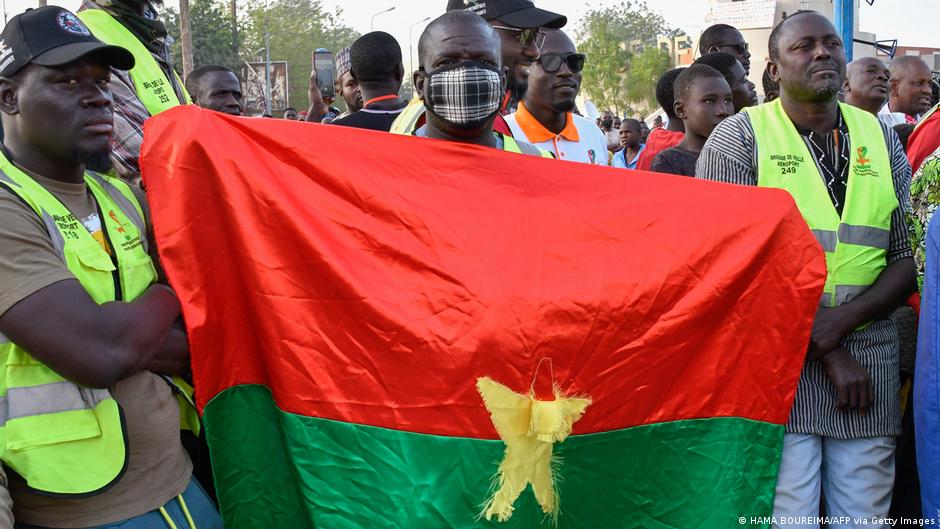
In Burkina Faso, the arrest of prominent Imam Mohamed Ishaq Kindo and the suspension of the country’s largest student union organization reveal a troubling intensification of restrictions under military governance. This week’s developments underscore deepening tensions in the Alliance of Sahel States (AES) region, where civic freedoms are increasingly constrained.

Imam Kindo’s arrest sparks unrest and disinformation
Days before Eid al-Adha, witnesses reported seeing masked security forces detain Imam Mohamed Ishaq Kindo at his home. The cleric, a respected voice within Burkina Faso’s Muslim community, had previously supported the current military leadership but maintained a critical stance on government policies, particularly a controversial bill regulating religious practices.
His detention triggered immediate protests, clashes, and a wave of arrests. The Federation of Islamic Associations of Burkina Faso (FAIB) repeatedly called for calm amid escalating tensions. At the same time, a disinformation campaign emerged, with false reports of the imam’s death circulating online before being debunked by the attorney general. Some videos claiming to show abuses were flagged for inconsistencies and potential AI manipulation.
Reports indicated that some arrested supporters were taken to a military camp in Kaya, in the Centre-Nord region.
Kindo vs. Dicko: a different path in religious leadership
While comparisons were drawn to Mali’s influential imam Mahmoud Dicko, analysts note key differences. As journalist Newton Ahmed Barry explains, Imam Kindo’s role was rooted in civic vigilance rather than political ambition:
“Imam Kindo was not driven by political aspirations or ambitions of leadership. His focus remained on monitoring religious adherence within the framework of the FAIB, ensuring doctrinal integrity rather than engaging in partisan debates.”
Student union suspended amid accusations of destabilization
The Union générale des étudiants du Burkina Faso (UGEB), a historic student organization founded in 1960, has been suspended for three months—renewable. Its president, Bazo Wilfried, and several members were detained following allegations of “terrorism glorification” and “demoralization of security forces.” The charges stem from the union’s criticism of deteriorating security, labeling the situation a “civil war” and condemning the government’s inability to restore stability.
Mahamadou Idder Alghabid, Deputy Secretary-General of the Alliance of Sahel Democrats (ADS), condemned the accusations as part of a regional pattern:
“It’s absurd to accuse unarmed students of terrorism. This tactic is now common across the Sahel. Any dissent is swiftly labeled as terrorism or collaboration with extremists—a convenient pretext to silence opposition.”
A regional erosion of civic freedoms
Burkina Faso is not alone in this trend. Human rights advocates in Mali and Niger report growing curbs on public freedoms, including the dissolution of civil society groups, judicial intimidation, and restrictions on free expression. The line between political dissent, union activism, and criminal offense appears to be fading, raising serious concerns about democratic backsliding.
Resistance persists despite repression
Despite arrests, abductions, and violence, voices of opposition continue to speak out—often from exile. Alghabid emphasizes the long-term unsustainability of military rule:
“We recognize the scale of the challenge ahead. But every day, our movement gains ground while theirs erodes. The initial propaganda promising sovereignty and anti-imperialism has failed. People are waking up to the false promises of these juntas. They are abandoning the putschists’ ship.”
Newton Ahmed Barry echoes this sentiment, warning that military overreach will ultimately fuel resistance:
“Excessive force always backfires. Ibrahim Traoré’s regime is no exception. The Burkinabè people will not remain silent forever.”
Calls for international solidarity and accountability
Human rights organizations are urging sustained international pressure to protect civic spaces. As one analyst noted, silence and ambiguity only embolden authoritarianism:
“Partners must stop hiding behind claims that criticizing the junta is counterproductive. Inaction legitimizes repression and undermines democratic resilience.”
In conclusion, the situation in Burkina Faso reflects a broader struggle for civic freedoms across the Sahel. The international community’s response will be critical in determining whether these restrictions become the new norm—or whether resistance can reverse the tide.