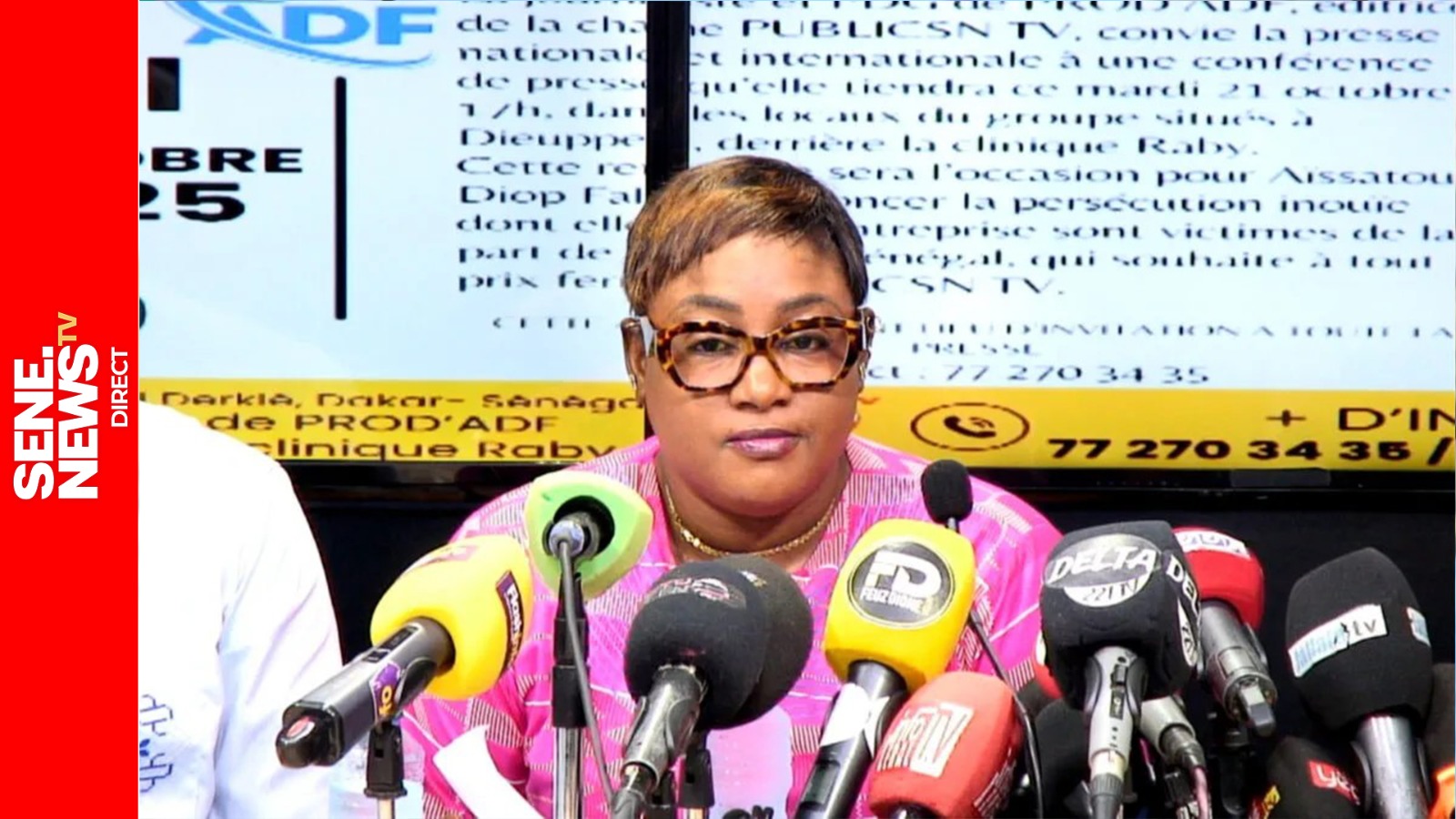
The situation has taken a serious turn for Aïssatou Diop Fall, a prominent Senegalese journalist and television channel director. She has been summoned by the Special Cybersecurity Division (DSC) of the national police following controversial remarks made about politician Ousmane Sonko. Despite issuing public apologies, she now faces potential legal consequences under Senegal’s cybercrime laws.
This high-profile case stems from a video in which she allegedly expressed a wish for Ousmane Sonko, leader of the Pastef movement, to be abducted by terrorists. The statement sparked immediate outrage across social media and public forums, prompting widespread condemnation.
In response to the backlash, Aïssatou Diop Fall released a follow-up video offering her sincere apologies. However, Prosecutor Ibrahima Ndoye ordered her formal appearance before the cybersecurity unit. Under Senegalese law, public statements disseminated online—especially those that could incite violence or threaten public order—can lead to criminal charges, regardless of whether any actual harm occurred.
Legal framework and potential consequences
Depending on how the case is classified by prosecutors, several offenses may apply under the Penal Code and cybersecurity legislation. These include:
- Incitement to violence or criminal acts
- Public dissemination of content likely to disrupt social order
- Indirect threats or calls to endanger an individual’s safety
- Posting inflammatory material on digital platforms
The severity of penalties depends on the judicial interpretation. Possible outcomes range from monetary fines to imprisonment, especially if the statements are deemed to have endangered public safety or incited violence. The final decision will be made after the DSC’s investigation and the prosecutor’s review of the evidence.