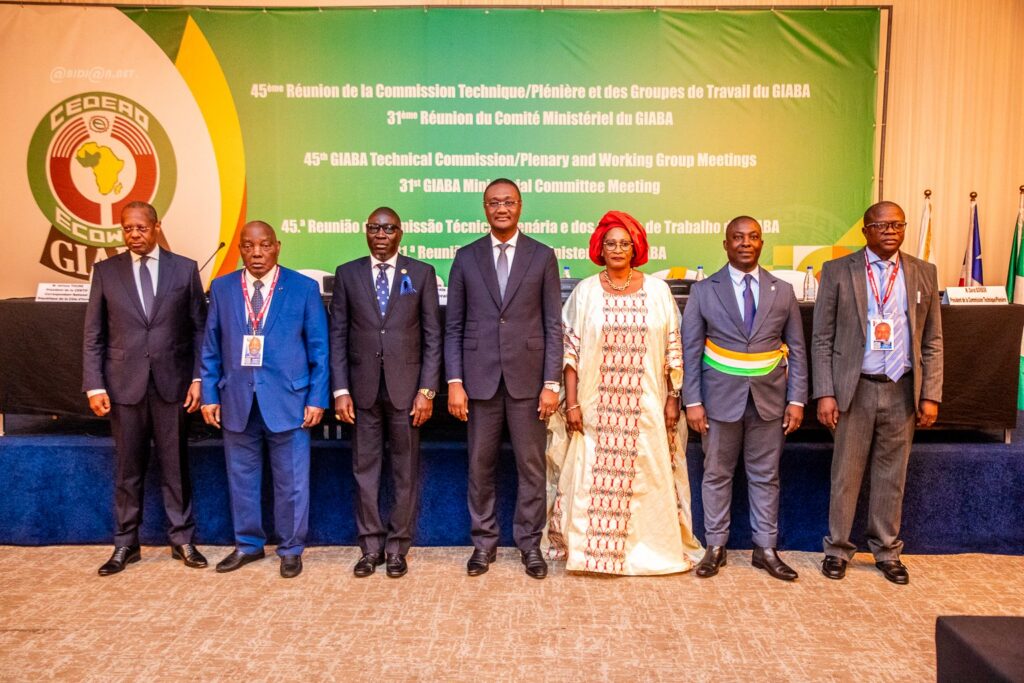
The Côte d’Ivoire is set to host a pivotal regional gathering from May 18 to 23, 2026, as it convenes the 45th Plenary Session of the Intergovernmental Action Group against Money Laundering in West Africa (GIABA), alongside the 31st meeting of its Ministerial Committee in Abidjan. The opening ceremony took place this Thursday in Cocody, drawing experts, representatives from ECOWAS member states, technical and financial partners, as well as international observers.
This high-level event, organized in collaboration with the Ivorian government, serves as a critical forum for assessing and coordinating anti-money laundering and counter-terrorism financing (AML/CFT) strategies across West Africa. Participants will delve into key areas including the second round of mutual evaluations for several member states, typology reports from the Risk, Trends, and Methods Working Group (RTMG), activities of the Financial Intelligence Units Forum (FCRF), and technical assistance mechanisms for member countries.
Addressing the gathering on behalf of the Minister of Economy, Finance, and Budget, the Minister of Construction, Housing, and Urban Planning, Moussa Sanogo, underscored Côte d’Ivoire’s unwavering commitment to strengthening the regional AML/CFT framework. “Côte d’Ivoire fully acknowledges its responsibility and role in the subregion. Under President Alassane Ouattara’s leadership, our nation has committed to a systematic, determined, and transparent approach,” he stated.
The Ivorian government representative highlighted ongoing structural reforms aimed at aligning the country’s national framework with the Financial Action Task Force (FATF) international standards. He noted that despite the rapidly evolving tactics of transnational criminal networks, progress remains encouraging.
Emphasizing the need for enhanced subregional cooperation, Moussa Sanogo stressed that “no single country can succeed in isolation. Our effectiveness hinges on information sharing, mutual trust, and sustained political will.” He framed the fight against money laundering as not just a security issue but a “battle for development, economic stability, and peace.”
The minister also pointed out that cleaning up financial systems is essential to boost the economic appeal of West African states and safeguard both domestic and foreign investments.
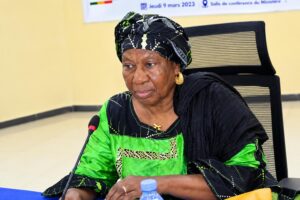
Hafsat Abubakar Bakari, Chair of GIABA’s Technical Commission, commended Côte d’Ivoire’s strides in financial governance and data interoperability for AML/CFT efforts. She noted significant technical advancements among member states, driven by legislative improvements and modernized Financial Intelligence Units.
However, she warned of emerging threats posed by cutting-edge technologies such as generative AI, deepfakes, and synthetic identities, which criminal networks exploit to bypass traditional know-your-customer (KYC) checks. “Our detection systems, reporting rules, and investigator training must evolve to counter these new risks,” she urged.
Bakari also emphasized the importance of transparency regarding the beneficial owners of legal entities—a cornerstone of GIABA’s third-round mutual evaluations. She praised recent progress by Burkina Faso, Mali, and Nigeria, which have been removed from the FATF’s grey list, while encouraging continued technical support for Côte d’Ivoire to expedite its own exit from the list.
The regional meeting is expected to yield actionable recommendations to bolster mechanisms for preventing, detecting, and combating illicit financial flows within the ECOWAS space. This comes at a time when West Africa faces intensifying security and technological challenges.