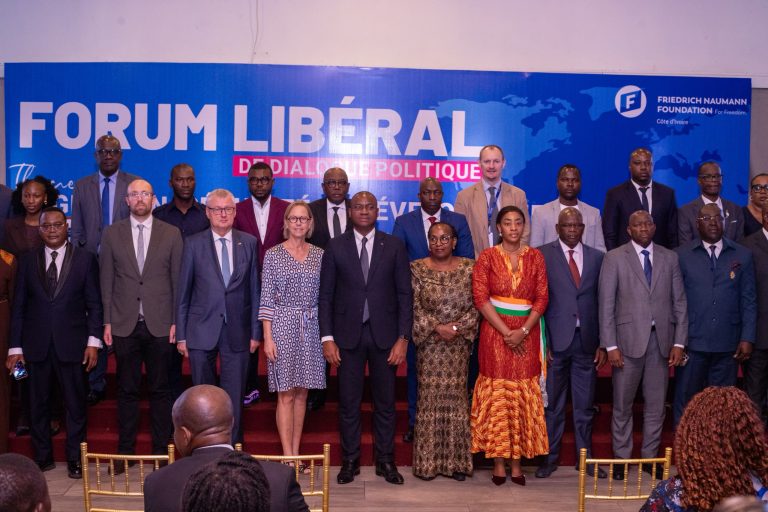
The bustling city of Abidjan recently became the epicenter of a critical conversation on migration, as leaders from Africa and Europe gathered to challenge outdated narratives and advocate for a fresh, collaborative approach to continental mobility.
Rethinking migration beyond borders and biases
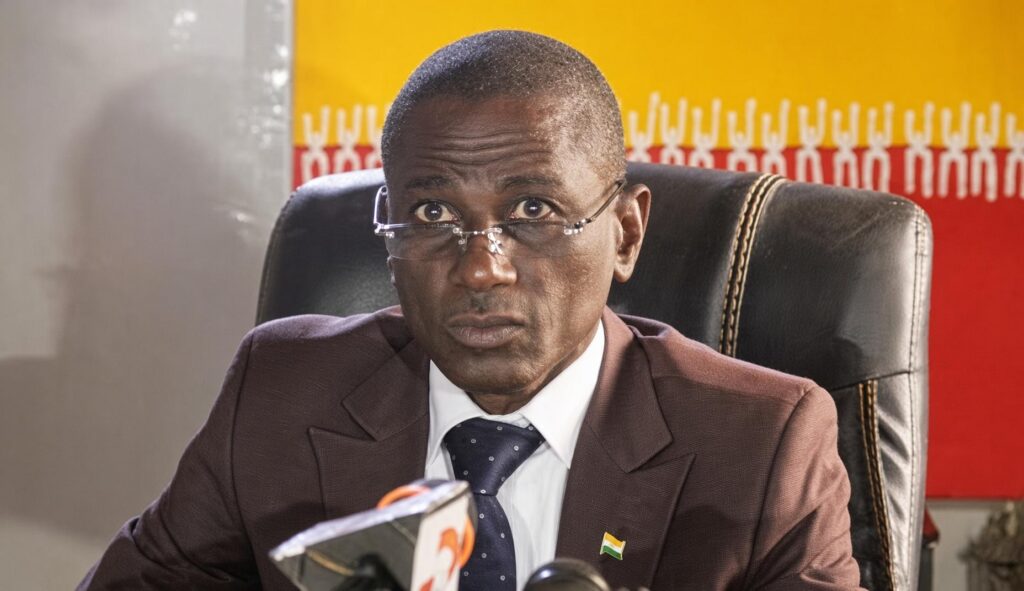
At the heart of the dialogue was a bold assertion: migration is not a threat—it is an inherent expression of human freedom. Speaking at the Liberal Political Dialogue Forum, held over two days in mid-July, Côte d’Ivoire’s Minister of Animal and Fisheries Resources, Sidi Touré, dismantled common misconceptions. Citing United Nations data, he pointed out that migrants comprise only 3.7% of the global population, with 96% of people living their entire lives in their country of birth. “The world is not being overrun,” he emphasized. “Migration is not a crisis—it is life.”
Touré underscored that most African migration—70%, in fact—occurs within the continent itself, with daily movements visible in hubs like Abidjan’s Adjamé bus terminal. “This is not an emergency; it is the rhythm of our societies,” he remarked, invoking the Ivorian spirit of hospitality embodied in the word Akwaba.
Free movement under strain: call to preserve a shared heritage
The minister also expressed deep concern over recent political shifts in West Africa, particularly the withdrawal of Mali, Burkina Faso, and Niger from ECOWAS. These changes risk undermining decades of progress in regional integration and labor mobility. “Regardless of political differences, our peoples are bound by kinship, our economies are intertwined, and free movement is a legacy we must protect,” he stated.
The forum, themed “Migration, Security, and Development: Rethinking the Africa-Europe Partnership,” aimed to produce actionable policy recommendations. Touré urged participants to move from dialogue to concrete outcomes, culminating in a policy paper that could guide future cooperation.
Xenophobia hurts both continents: a shared challenge
Alexandra Heldt, Regional Director for West Africa at the Friedrich Naumann Foundation (FNF), took the discussion further, exposing the destructive impact of xenophobic rhetoric on both sides of the Mediterranean. She recalled the recurring waves of violence against migrants in South Africa since 2008, warning that “no nation can thrive by blaming migrants for its economic woes.”
Heldt also highlighted a striking paradox in Europe: while labor shortages persist, public discourse increasingly demonizes immigration. “Migration fuels exchange, innovation, and entrepreneurship. It builds bridges, not walls,” she argued. “A partnership rooted in trust, not fear, is the only sustainable path forward.”
Toward a balanced and humane partnership
Both leaders called for a Europe-Africa partnership grounded in shared responsibility, mobility, and core liberal values. They urged policymakers to shift the narrative from exclusion to inclusion, from suspicion to solidarity. “Hospitality is not a sign of weakness,” Touré concluded. “It is a strength—and a policy we must champion.”
The forum continued with in-depth sessions exploring the legal, geopolitical, and human dimensions of migration, ensuring a comprehensive approach to one of the continent’s most pressing challenges.