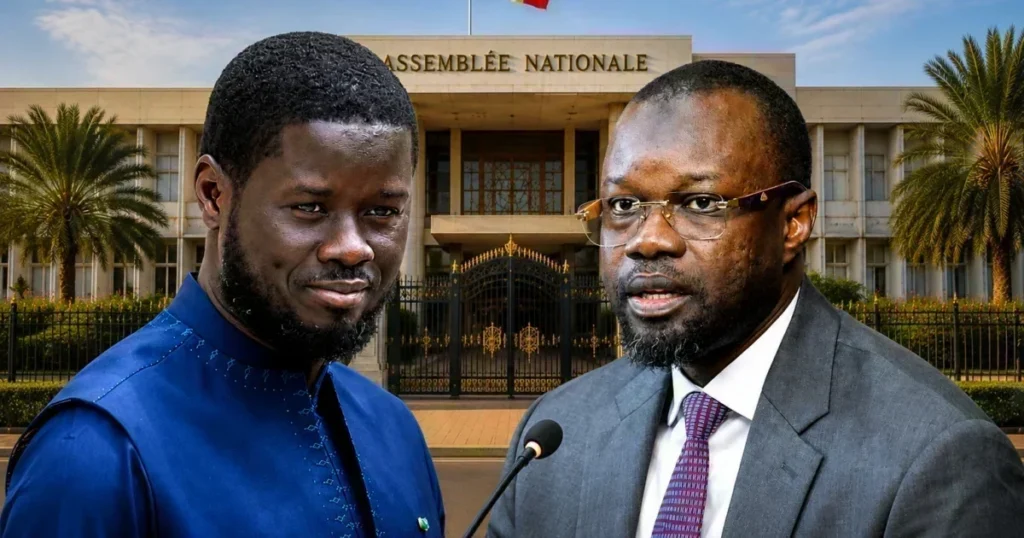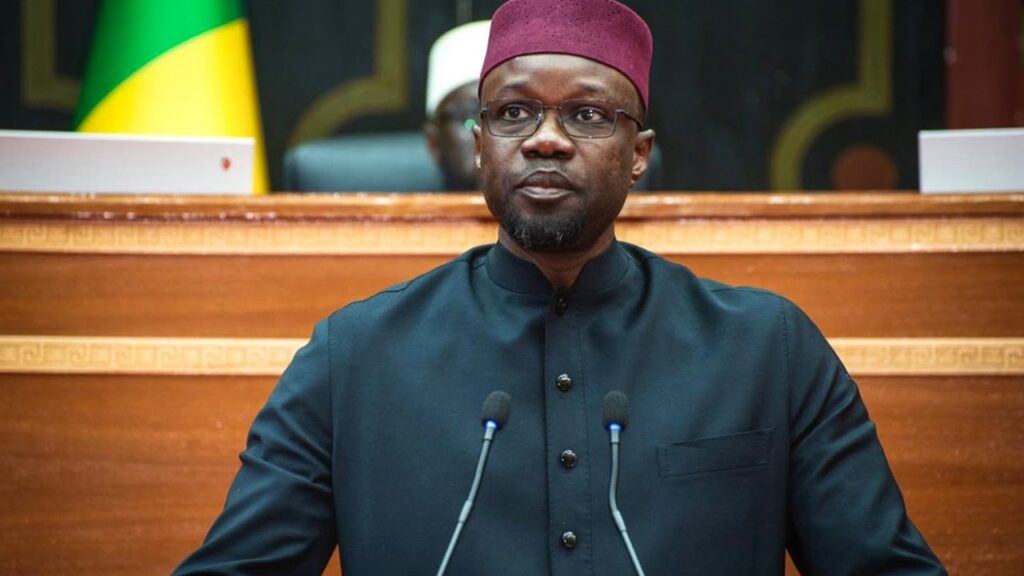
A legal storm is brewing in Senegal as a group representing descendants of Touba’s revered founder has formally lodged a complaint against opposition leader Ousmane Sonko. The move follows remarks he made during the inauguration of his party’s new headquarters in the holy city, where he alleged that “dirty money entered Touba.”
The collective, known as the Guardians of Touba’s Legacy, argues that these comments tarnish the city’s sacred reputation and have called for a formal investigation to clear its name. The complaint was filed with the Dakar prosecutor’s office, setting the stage for a potential legal battle over freedom of speech versus protection of cultural heritage.
Why the complaint matters
The city of Touba holds profound spiritual significance in Senegal, serving as the heart of the Mouride brotherhood and a symbol of religious unity. Ousmane Sonko, a prominent political figure and leader of the Pastef party, has long been a polarizing voice in West African politics. His statements about the integrity of Touba have now thrust him into a legal and moral quandary, with the descendants of the city’s founder seeking accountability.
The complaint underscores a growing tension between political discourse and religious respect in Senegal. While public figures are entitled to express opinions, the collective contends that Sonko’s words crossed a line by implying corruption within a city revered for its piety and moral standing.
What happens next?
The Dakar prosecutor’s office now faces the task of reviewing the complaint and determining whether to proceed with an investigation. Legal experts suggest that the case could hinge on the interpretation of Sonko’s remarks—whether they constitute defamation, a breach of public order, or simply controversial political rhetoric.
Meanwhile, supporters of Ousmane Sonko argue that his statements were taken out of context, intended as criticism of systemic issues rather than an attack on Touba itself. Critics, however, see this as another example of political figures overstepping into sacred domains for personal or ideological gain.
As Senegal navigates this latest controversy, the outcome of the complaint could set a precedent for how political speech intersects with religious and cultural sensitivities in the country.