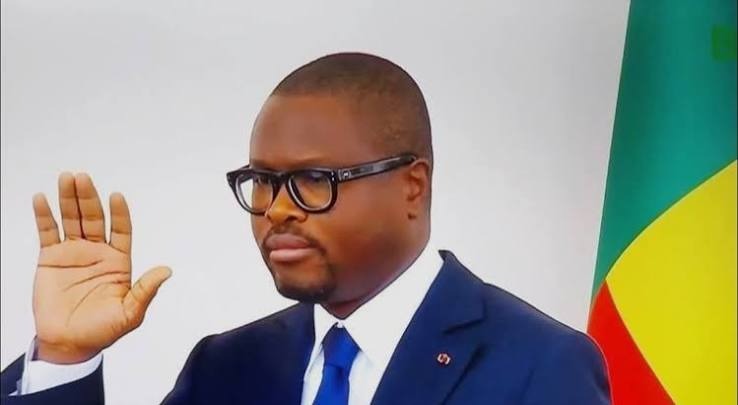
The appointment of Captain Elvire Toupé as aide-de-camp to Benin’s President Romuald Wadagni has sparked widespread approval. This groundbreaking decision, announced following the first cabinet meeting on May 28, marks the first time a Beninese woman has held this position since the country’s independence on August 1, 1960. Toupé, previously serving in the Republican Guard, now stands as a symbol of progress in a nation where women’s political representation remains limited.
Honoring a legacy of female warriors
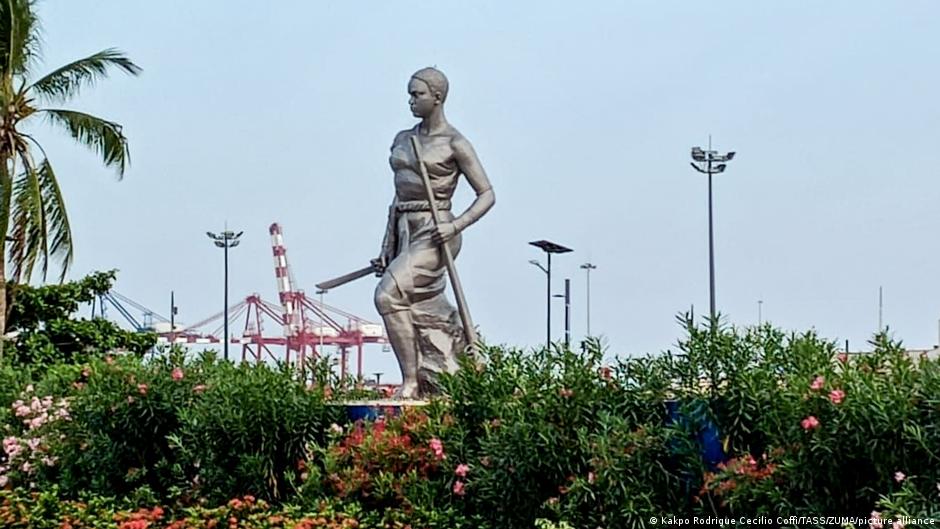
Political analyst Régis Hounkpè views Toupé’s appointment as a powerful symbol for Beninese women, particularly young girls who draw inspiration from the nation’s historical female warriors. “The Amazons of Dahomey embodied courage, boldness, and resilience—qualities that resonate deeply in Beninese society. Their legacy has been revived not just in imagination but in reality, as women reclaim essential roles in communities, decision-making circles, and public life,” he explains.
Journalist Wuldath Moussa Mama echoes this sentiment, drawing parallels between Toupé’s appointment and the legendary Agodjié regiment of the Dahomey Kingdom. “The Amazons were an elite military force that fought alongside Dahomey’s rulers. Is this appointment an exception or the start of a broader push to empower women in politics? Perhaps it’s the opening of a door that will encourage more women to step forward and claim their space,” she reflects.
Persistent gaps in women’s political representation
While Toupé’s appointment is celebrated, women remain underrepresented in Benin’s political landscape. The new government of President Wadagni includes only six women among its 23 members, holding portfolios such as Foreign Affairs, Higher Education, Family and Social Action, Domestic Trade, Employment and Vocational Training, and Communications and Media.
This represents a slight improvement from the previous administration of Patrice Talon, which had five women in a 23-member cabinet. Yet, the numbers still fall short of meaningful inclusivity. Wuldath Moussa Mama highlights the symbolic nature of Vice President Mariam Chabi Talata’s role, noting that her position is largely ceremonial under the Beninese Constitution.
In the National Assembly, women hold just 25.7% of seats—28 out of 109—despite a legal quota requiring one female representative per electoral district. Four additional women secured seats outside this quota, bringing the total to 28. However, Wuldath Moussa Mama emphasizes that “this progress is overshadowed by deeper challenges within political parties, where women often face barriers in leadership roles and grassroots mobilization.”