As the dominant force in the West African Economic and Monetary Union (UEMOA), Côte d’Ivoire continues to assert its economic leadership through a rare combination of strengths: a thriving domestic market, cutting-edge infrastructure, a world-class port system, and investment capacity that far outpaces its regional peers. These factors solidify Abidjan’s status as one of Africa’s most influential economic hubs.
The country’s economic engine status is no accident. With over 4,195 billion CFA francs allocated to public investments, Côte d’Ivoire maintains a commanding lead in the UEMOA bloc. This financial commitment enables simultaneous large-scale projects in infrastructure, transportation, energy, and urban development—areas where neighboring countries struggle to match its pace. The latest budget figures reveal the stark contrast: the Ivorian envelope alone surpasses the combined public investment plans of Mali, Burkina Faso, and Niger, which total just 2,100 billion CFA francs—roughly half of Abidjan’s allocation.

UEMOA’s investment champion: Côte d’Ivoire’s financial edge
When measured against the entire UEMOA community, Côte d’Ivoire’s dominance becomes even more pronounced. The country commands nearly 44% of all public investments planned within the union—nearly three times the allocation of Bénin, four times that of Sénégal, and dozens of times more than Guinée-Bissau. This financial prowess stems from the sheer scale of its economy, which remains the largest in the union, alongside robust tax revenues and access to international financial markets.
Nouvou Berté, an economist specializing in political economy and international finance, attributes this advantage to the country’s large domestic market, efficient revenue collection, and strategic access to capital. These pillars allow Côte d’Ivoire to fund transformative programs across critical sectors driving economic modernization. On a per capita basis, the country invests approximately 116,500 CFA francs per citizen—surpassing Togo and Bénin and highlighting the substantial gap with Sénégal, Mali, Burkina Faso, and Niger.
Beyond spending: The challenge of execution
Yet financial volume alone doesn’t guarantee success. Some countries allocate a higher percentage of their budgets to investment—Togo and Bénin lead in this ratio—but the true measure of progress lies in execution quality. Highways, ports, universities, power grids, and industrial zones only deliver value when projects are completed on time and aligned with economic needs. Public spending efficiency remains the ultimate test for long-term development.
Bright outlook: Côte d’Ivoire’s path to continental prominence
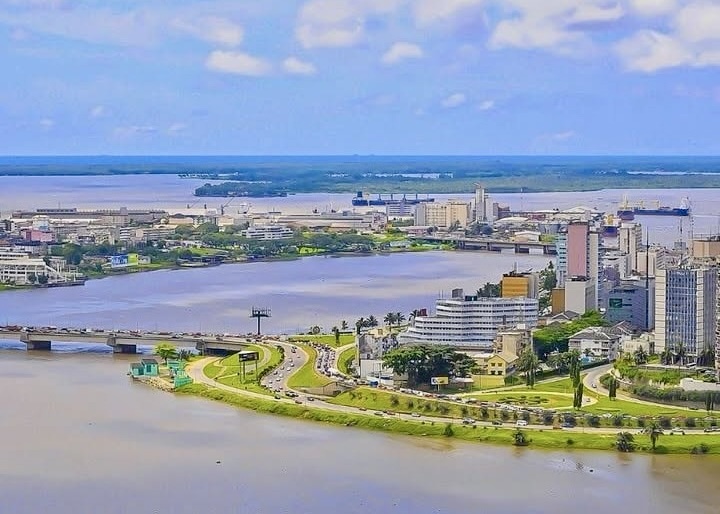
Medium- and long-term projections reinforce Côte d’Ivoire’s regional standing. Independent analyses from late 2025 indicate the country’s GDP could more than double by 2040, driven by industrial diversification, a thriving agro-industry sector, and a robust export base featuring cocoa, gold, and energy. The Port of Abidjan continues to serve as West Africa’s premier logistics gateway, further cementing the country’s role as a trade and commerce epicenter.
These indicators paint a clear picture: Côte d’Ivoire possesses the financial resources, infrastructure, and production capabilities to shape the UEMOA economy more profoundly than its neighbors. The next frontier? Translating this economic strength into sustainable benefits for businesses, job creation, and improved living standards across the population.