Côte d’Ivoire secures record foreign investments to drive 2030 development plan
Côte d’Ivoire has surpassed all expectations by securing over $80 billion in international funding for its National Development Plan (PND) through 2030. This financial windfall underscores the nation’s economic resilience and renewed stability, drawing unprecedented investor confidence.
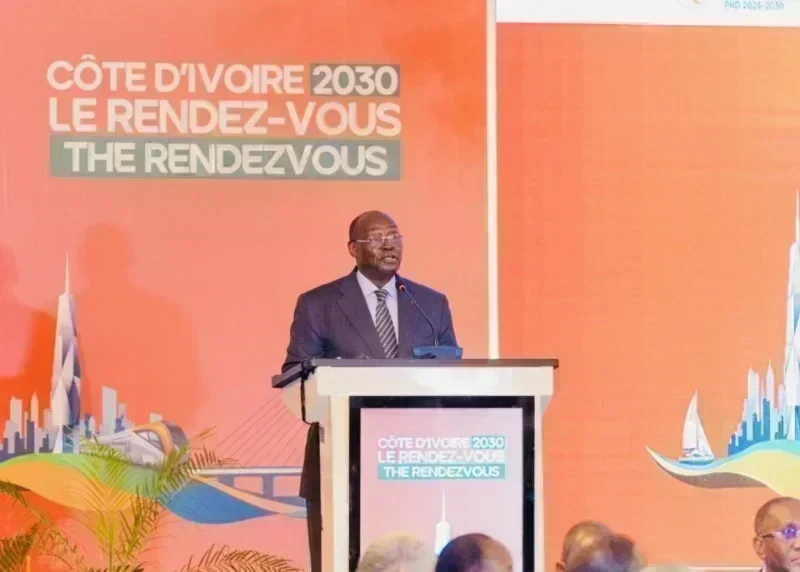
The Minister of Planning announced Thursday that Côte d’Ivoire has attracted international public investments four times higher than anticipated to fund its 2030 National Development Plan (PND).
The country’s economic allure continues to grow, supported by one of West Africa’s strongest growth trajectories—averaging 6.5% annually in recent years—and a hard-won stability following a decade of political and military turmoil in the early 2000s.
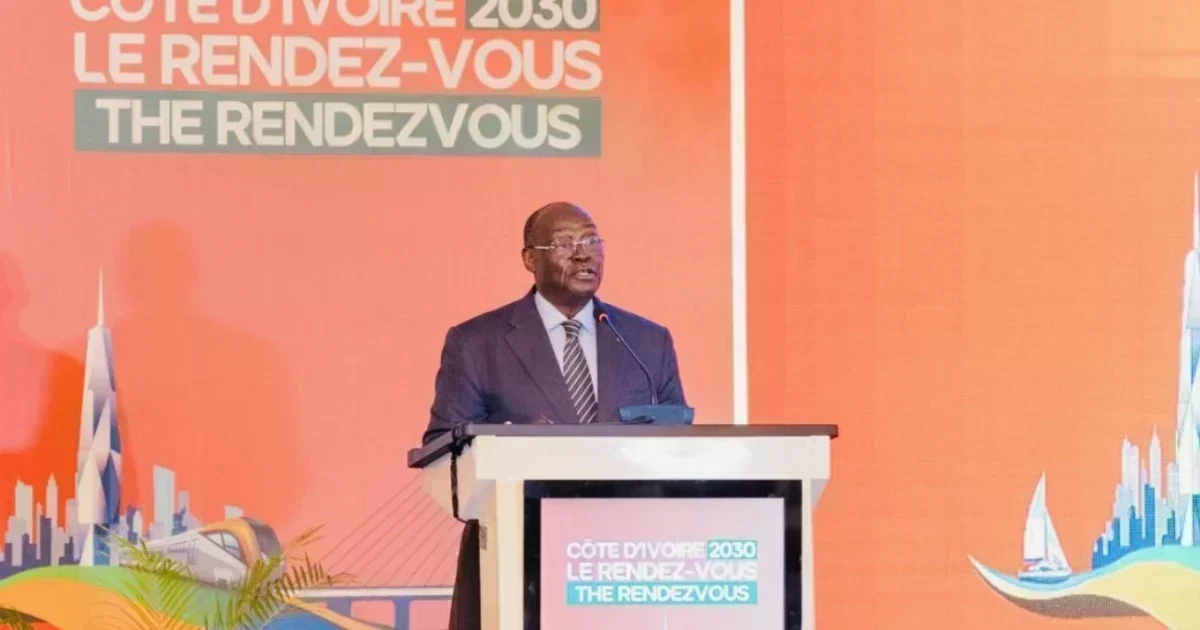
A high-profile event in Abidjan on Wednesday and Thursday convened government officials alongside hundreds of public and private investors to finalize funding for the PND. The plan prioritizes security enhancements, agricultural modernization—which accounts for 20% of GDP—nurturing homegrown corporate giants, and major infrastructure projects including a high-speed rail network.
Breakdown of secured funding
The government initially sought approximately $20 billion in public financing. Instead, development partners committed over $80 billion—four times the requested amount—demonstrating robust international confidence in Côte d’Ivoire’s economic prospects.
Key contributors include the World Bank, African Development Bank (AfDB), and the European Union. “All our economic indicators are nearly in the green,” stated the Minister of Planning, Souleymane Diarrassouba, adding that the government expects “over 70% of total funding—more than $147 billion— to come from the private sector.
The total PND funding envelope reaches $209 billion, with contributions also coming from the Ivorian state itself.
This funding surge follows Côte d’Ivoire’s successful $1.3 billion international bond issuance in February, secured at exceptionally favorable rates for an emerging economy. Earlier, in late June, the International Monetary Fund (IMF) approved nearly $833 million in disbursements under multiple support programs.
The IMF praised the country’s “resilient economy,” projecting a slight growth slowdown to 6% in 2026 from 6.5% in 2025, alongside an inflation rise to around 3.3% this year.
Once heavily reliant on agriculture, Côte d’Ivoire is diversifying its economy through recent mining, gas, and oil discoveries, signaling a new chapter of sustainable growth.