Gabon – Sénégal : Dakar redéfinit la Francophonie africaine
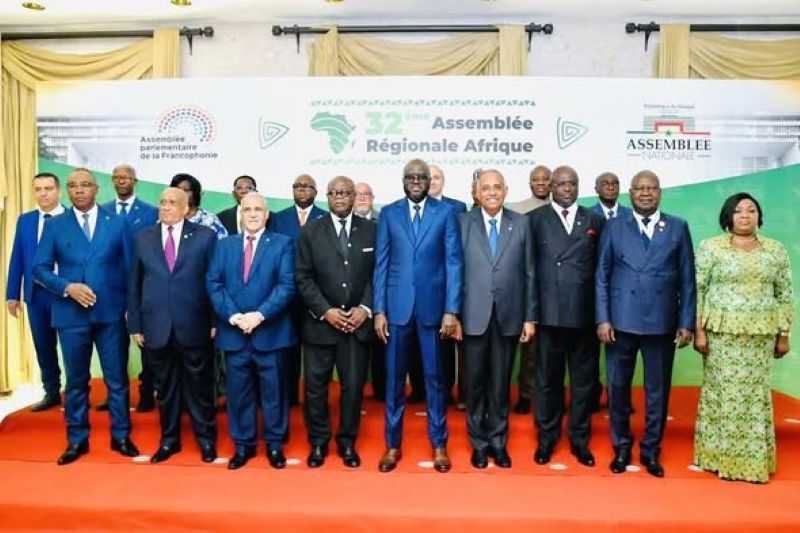
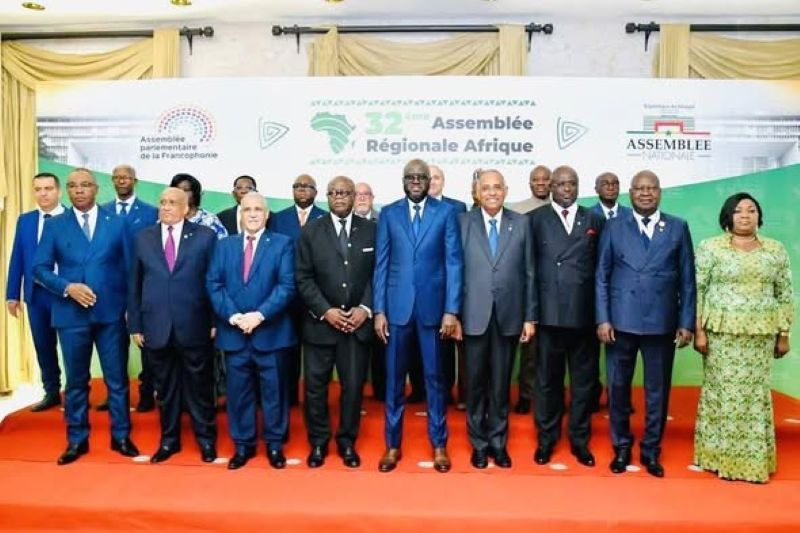
Libreville, Tuesday, May 19, 2026 – The recent parliamentary assembly in Dakar unfolded amidst palpable geopolitical tension. What transpired at the 32nd Regional Africa Assembly of the Parliamentary Assembly of La Francophonie (APF) signaled a profound political transformation across the continent. Far from mere diplomatic niceties, this gathering revealed a Francophone Africa poised for significant change.
Over three intense days, Senegal’s capital became a strategic crucible. More than 200 parliamentarians, assembly presidents, and institutional representatives from approximately thirty African nations convened, collectively charting a new course for Francophone Africa. The discussions underscored a continent seeking renewed affirmation, enhanced sovereignty, and a redefined global standing, a crucial topic in today’s pan-African news.
Against a backdrop of shifting geopolitical landscapes, persistent security crises in the Sahel, international tensions in the Middle East, and escalating rivalries among major global powers, the Dakar proceedings transcended the typical parliamentary meeting. They confronted a fundamental question: What role does Francophone Africa intend to carve out for itself in the 21st century? The chosen theme, “Parliamentary Francophonie facing the challenges of sustainable development and democracy in Africa,” served as a springboard for a much broader discourse on the continent’s political, institutional, and strategic future, offering vital Africa news English insights.
The Senegal imposes a new African doctrine
A pivotal moment of the assembly was the powerful address by El Malick Ndiaye, President of Senegal’s National Assembly. His politically charged speech passionately advocated for an “asserted African sovereignty,” championed by robust, credible parliamentary institutions capable of exercising genuine democratic oversight. This intervention signified the emergence of a new doctrine in African politics.
This evolving doctrine firmly rejects a Francophonie confined solely to cultural or linguistic dimensions. Instead, it aims to transform the organization into a potent instrument for strategic cooperation, political stability, and the vigorous defense of African interests. Senegal effectively utilized this international platform to articulate its vision for an Africa that is more autonomous in its security, economic, and diplomatic decision-making. Addressing the Sahel crises, external pressures, and global geopolitical upheavals, El Malick Ndiaye urged African Parliaments to become central players in formulating continental political responses, a key focus for West Africa news.
His call for a “more offensive” parliamentary diplomacy particularly resonated with the attending delegations. Key priorities identified for the coming years included human security, the taxation of extractive industries, administrative cooperation, and democratic control. This strategic shift reflects a growing reality: Francophone Africa no longer merely seeks to participate in international debates; it now demands to influence their very substance, impacting the African economy today.
Gabon advances its diplomatic ambitions
Within this dynamic continental shift, Gabon’s presence garnered significant attention. Michel Régis Onanga M. Ndiaye, President of the Gabonese National Assembly, led a substantial delegation comprising representatives from both parliamentary chambers. Their participation underscored Libreville’s commitment to enhancing its engagement within major international bodies, reflecting a proactive stance in African politics.
This involvement aligns with Gabon’s ongoing diplomatic repositioning, a phase marked by institutional reconstruction and efforts to consolidate its image on both the African and international stages. The Gabonese delegation notably emphasized the imperative of reforming the Parliamentary Assembly of La Francophonie to better align with the evolving expectations of African populations. This position contributes to broader discussions surrounding the modernization of Francophone institutions and their capacity to address contemporary challenges.
In Dakar, Gabon also sought to project itself as a nation eager to play a more active role in dialogues concerning governance, democracy, and sustainable development. This approach signals a significant evolution. What was once largely a traditional diplomatic framework, Parliamentary Francophonie is progressively becoming a competitive arena of influence, where each state now strives to champion its political vision and strategic interests.
A Francophonie confronted with its own transformation
The Dakar debates unequivocally highlighted a silent existential crisis within institutional Francophonie. Numerous African leaders now contend that the structures inherited from previous decades no longer correspond to current geopolitical realities, a sentiment often echoed in Panafrica News analyses.
The rise of sovereignist demands, the democratic aspirations of African populations, persistent security crises, and economic tensions have profoundly altered expectations regarding international organizations. In this context, several speakers stressed the urgent need to construct a Francophonie that is less hierarchical, more equitable, and more genuinely focused on the concrete concerns of African citizens.
The prevailing discourse is no longer solely about linguistic solidarity. It has evolved into a call for strategic cooperation grounded in security, economic development, regional integration, and institutional stability. This transformation is far from trivial; it reveals a major intellectual paradigm shift among Francophone African political elites. A new generation of leaders is now determined to build institutions capable of effectively defending African interests in an increasingly conflictual and competitive global environment.
Dakar as a symbol of a continental shift
By hosting this 32nd Regional Africa Assembly of the APF, Senegal reaffirmed its ambition to emerge as a significant political hub in the new African diplomacy. The nation is actively striving to combine institutional stability, sovereign assertion, and regional leadership, a crucial development in West Africa news.
The selection of Dakar as the venue for this pivotal reflection was highly symbolic. It followed the historic political transition of 2024 and occurred at a time when several African countries are redefining their relationships with former influential powers. Beyond the official resolutions and declarations, this gathering will primarily be remembered as a potent symbol of Francophone Africa undergoing a profound strategic transition. It represents an Africa dedicated to strengthening its institutions, safeguarding its interests, and asserting a more independent voice within the intricate global balance of power.
Parliamentary Francophonie is thus entering a new chapter in its history—one where issues of sovereignty, democratic governance, and political power take center stage. In Dakar, African parliamentarians did not merely deliberate on the future of Francophonie; they began to redefine the very contours of a bold, new African ambition.