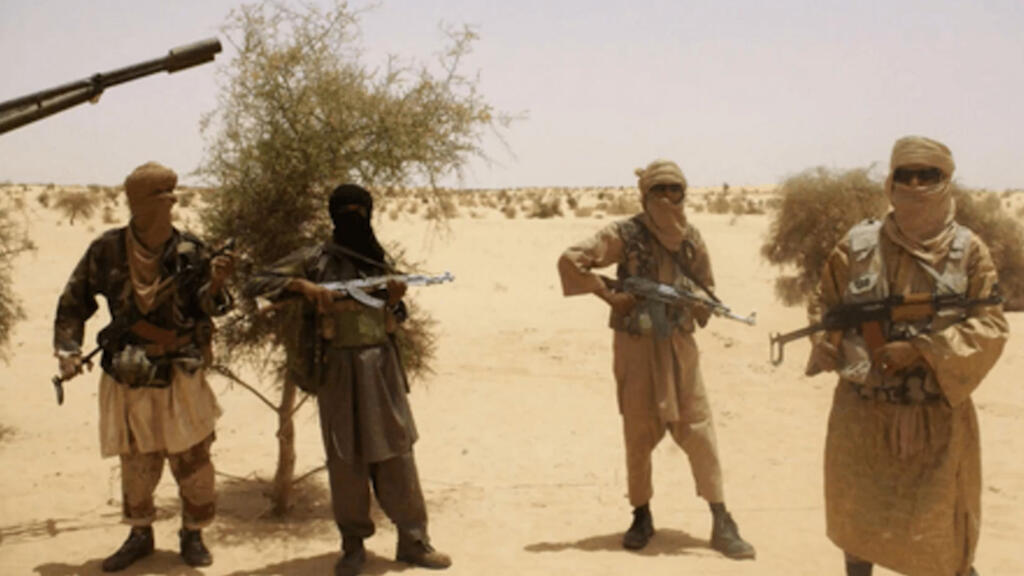
Deadly jihadist assault strikes villages near Bandiagara in Mali
In a coordinated wave of violence, armed groups launched simultaneous attacks on multiple villages in central Mali late Friday evening, leaving at least twenty people dead. The assault targeted communities in Dimbal and Bankass communes, where jihadists clashed with local self-defense forces known as dozos.
The offensive began between 5:00 and 6:00 PM local time, striking Logo, Soulakanda, and Dimbal in Dimbal commune, and Ogossagou and Kouroundé in Bankass commune. These remote settlements, already struggling with limited state presence, have become flashpoints in a prolonged security crisis.
The clashes erupted as jihadist fighters engaged dozos—traditional hunters who often fill the security vacuum left by national forces. Witnesses, including local officials and civil society representatives, reported that the attacks resulted in the deaths of several dozos and civilians. One dozo leader, speaking on condition of anonymity, expressed frustration over the lack of military intervention during the assault and criticized the absence of an official statement from the army following the violence.
Civilian evacuation and humanitarian concerns rise
Fearing further violence, hundreds of residents fled their homes, seeking refuge in nearby towns such as Bankass, where displacement camps are already overwhelmed. The mass exodus has raised urgent concerns about the capacity of humanitarian organizations to respond to the growing crisis. Just days earlier, similar attacks in the same region claimed over fifty lives, deepening the cycle of displacement and insecurity.
Jihadist group issues fresh threats
Following the attacks, a spokesperson for the jihadist group JNIM issued a warning, vowing to target villages harboring dozo bases that refuse to comply with local agreements imposed by the militants. The statement underscored the group’s intent to expand control through intimidation and violence, further destabilizing an already fragile region.
As the military remains silent on the matter, communities are left to grapple with the dual threats of armed extremism and the absence of state protection. With no official response or public acknowledgment of the attacks, residents continue to live in fear of what may come next.
Related posts

Real Madrid vs RB Leipzig: Champions League clash triggers fierce reactions and reshapes group dynamics
Aftermath of sharp defeats and rising tensions The upcoming Real Madrid vs RB Leipzig showdown in...
Lille’s Ligue 1 upset against Brest sparks intense post-match reactions and reshapes title race
The shock 0-1 defeat suffered by Lille against Brest in the 7th matchday of Ligue 1...
Moussa Kaka’s disappearance in Niger: one month on, outrage grows and questions mount
More than a month has passed since Moussa Kaka, a towering figure in Niger’s journalism and...