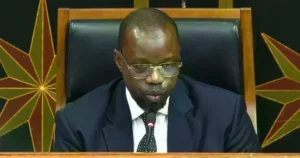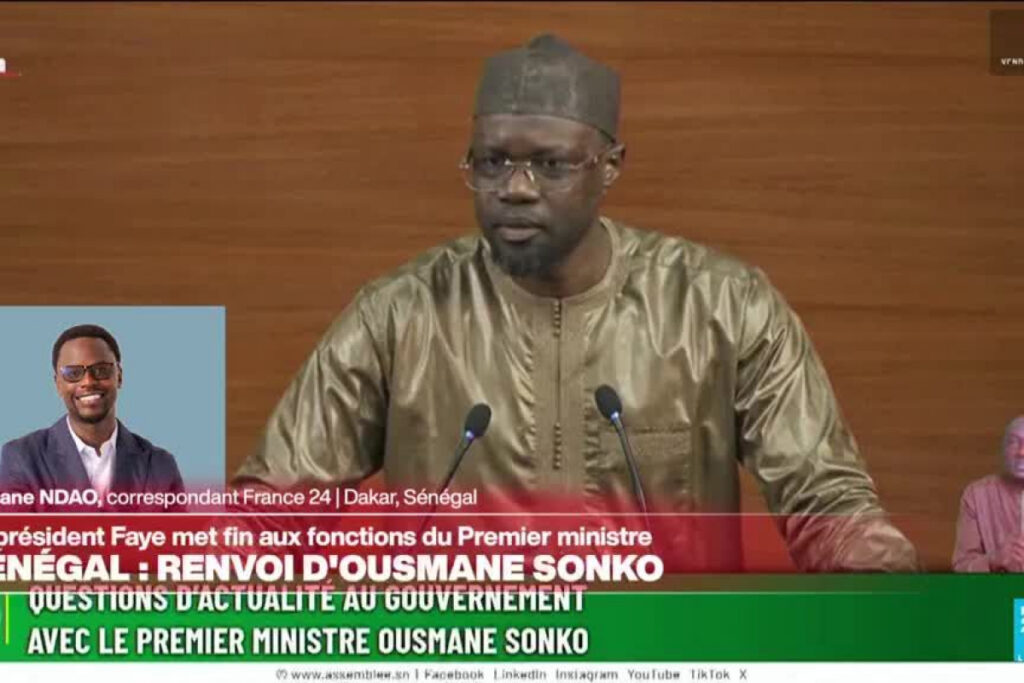
The Senegalese head of state, Bassirou Diomaye Faye, terminated the mandate of Prime Minister and former mentor Ousmane Sonko on Friday evening through a presidential decree. The decision followed months of escalating tensions between the two leaders, sending ripples through the political landscape of Dakar.
With a single stroke of his pen, President Faye dissolved not only the office of the Prime Minister but also the entire government structure. This abrupt move marks a significant shift in the nation’s executive dynamics and raises questions about the future direction of governance in Senegal.
The decree was issued without prior public announcement, catching many political observers off guard. The lack of official commentary immediately after the announcement has fueled speculation about the underlying reasons behind this decisive action.
Implications of the dismissal
The termination of Ousmane Sonko‘s tenure comes at a critical juncture for Senegal, a country navigating complex socio-economic challenges. Sonko, a prominent political figure, had previously served as a mentor to President Faye before their professional and ideological paths diverged.
Political analysts suggest that the brewing discord between the two leaders reached a breaking point, prompting Faye to take drastic measures to realign the government’s priorities. The reshuffle signals a potential recalibration of policies that may impact both domestic and international stakeholders.
What comes next?
While the immediate aftermath of the decree remains shrouded in uncertainty, one thing is clear: Senegal stands at the precipice of a new political chapter. The absence of a sitting Prime Minister and a reshuffled cabinet will likely dominate headlines in the coming days as the nation awaits further clarification from the presidency.
Observers are closely monitoring the situation, particularly in light of Senegal’s role as a key player in West African diplomacy and regional stability. The political vacuum created by this move could have far-reaching consequences, both within the country and across the wider West Africa region.