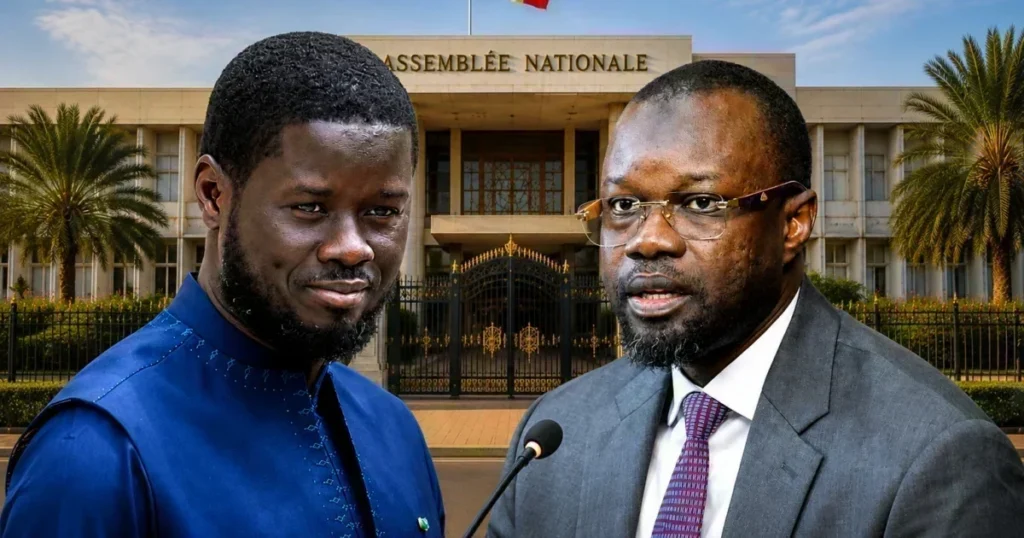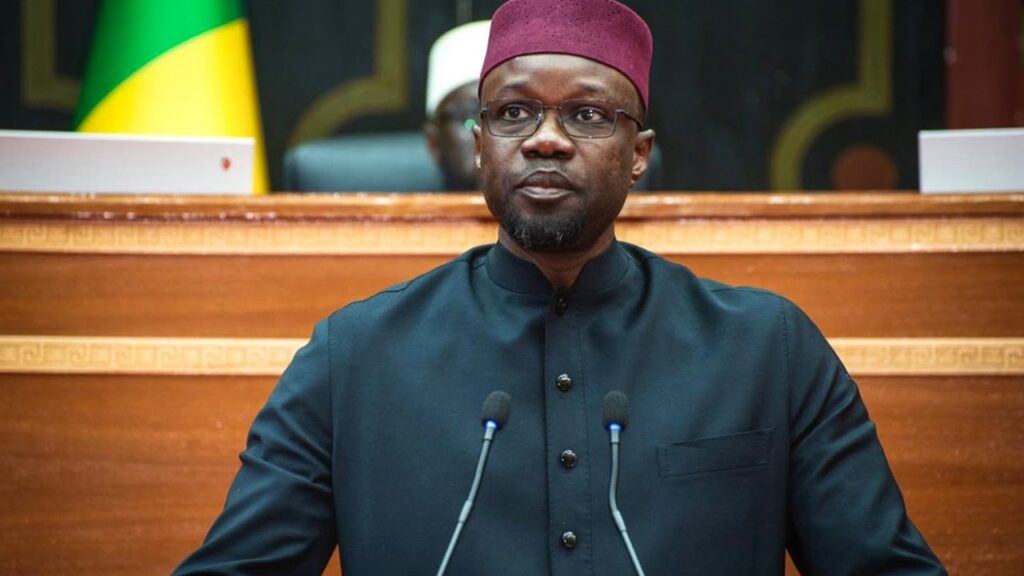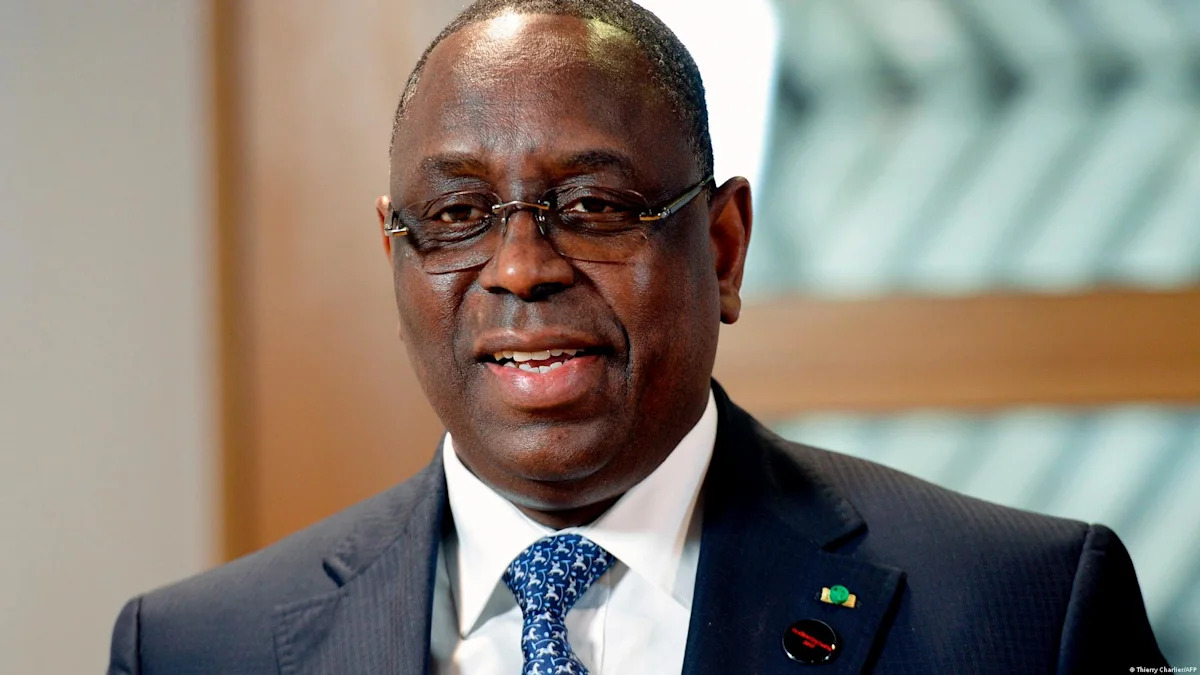
The upcoming meeting between Senegalese President Bassirou Diomaye Faye and his predecessor Macky Sall has ignited fierce criticism from families of victims of political repression during Sall’s tenure. Protesters accuse the government of prioritizing diplomatic gestures over justice, as many victims continue to await accountability and reparations.
What makes this encounter controversial, and how might it reshape Senegal’s political landscape? Political analyst Assane Samb shares insights on the significance of this meeting in today’s Senegalese context.
analyst weighs in on the high-stakes meeting
Assane Samb: While some voices are vocalizing objections, this meeting was inevitable. The timing, however, raises critical questions about national reconciliation and the government’s stance on past injustices.
political fallout from past repression
The controversy stems from Senegal’s turbulent recent history, particularly between 2021 and 2024, when mass protests clashed with security forces. Many citizens viewed the unrest as part of a broader revolutionary movement demanding systemic change.
justice versus diplomacy: a delicate balance
DW: Organizations like Amnesty International argue that as guarantor of public safety and freedoms, the president bears responsibility for the consequences of repression. Is he now facing a dilemma between diplomatic priorities and the demands of his political base for justice?
Assane Samb: When he was still affiliated with the Pastef party, President Faye hesitated to publicly endorse Macky Sall. Now that he has distanced himself from that affiliation, he no longer feels constrained. The situation has evolved.
sall’s un bid: a catalyst for political division
DW: Could Macky Sall’s candidacy for UN Secretary-General further polarize Senegal’s political climate?
Assane Samb: The concerns extend beyond victims—many fear Sall’s potential return to power due to calculated political maneuvering.
reconciliation on shaky ground
DW: How might this meeting impact national reconciliation and Senegal’s international standing?
Assane Samb: Internationally, the meeting may be celebrated by African heads of state. Domestically, however, it risks deepening the country’s political divide.